
01: The Battle for Window Comfort: When Curtains Fall Short Against Tropical Heat
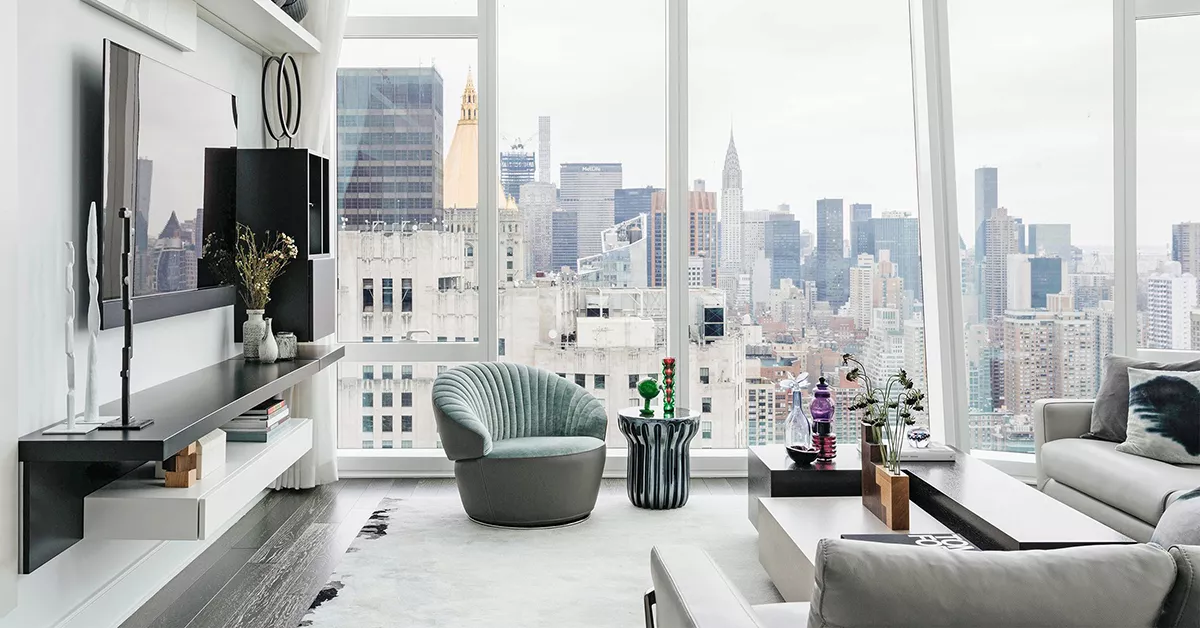
Imagine a bright Sunday afternoon in a newly built residence or an upper-floor condominium overlooking an expansive urban skyline. You look forward to relaxing by the floor-to-ceiling glass windows with a coffee. Yet within minutes, scorching solar rays stream through the glass, warming your skin and raising ambient room temperatures until the air conditioning compressor roars at peak capacity.
The standard response for many homeowners is to commission heavy, expensive blackout curtains. But once those thick drapes are closed, the room plunges into cave-like darkness. Midday requires artificial ceiling lighting just to navigate the hallway. Worse still, stepping near the closed curtains reveals an intense pocket of radiant heat continuously drifting into the living room.
This dilemma confronts lovers of modern architecture everywhere: must you sacrifice breathtaking natural light and panoramic vistas to keep your home cool, or must you endure an indoor sauna just to enjoy the view?
Understanding the underlying physics of solar radiation reveals why Architectural Window Film and Curtains serve entirely different purposes, and how combining them delivers the ultimate indoor climate.
SOLAR THERMAL DYNAMICS
02: The Thermodynamics of Solar Heat: How Thermal Energy Crosses Window Glass
To tackle interior heat effectively, we must first examine how sunlight delivers thermal energy into our living spaces. Terrestrial solar radiation comprises three primary components:
Ultraviolet (UV) Radiation: 3%
Although representing a small slice of the solar spectrum, UV radiation damages skin tissue, accelerates skin aging, and is the primary catalyst that causes expensive hardwood floors, leather upholstery, and artwork to fade and deteriorate.
Visible Light: 44%
The visible spectrum provides essential daylight. However, unmanaged visible light causes severe eye strain, visual glare on digital screens, and contributes nearly half of the total radiant heat entering a room.
Infrared Radiation (IR): 53%
The single largest carrier of solar thermal energy. Invisible to the naked eye, near-infrared rays penetrate standard glass and are felt immediately as searing heat upon the skin.
When solar radiation strikes architectural window glass, thermal energy transfers into the room through three physical mechanisms:
- Conduction: Direct solar absorption heats the exterior face of the glass, transferring thermal energy through the glass pane to its interior surface.
- Convection: The hot interior surface of the glass warms the surrounding air, creating buoyant thermal currents that circulate hot air throughout the living space.
- Radiation: Infrared rays pass straight through clear glazing and strike interior flooring, furniture, and walls, heating them up so they re-radiate long-wave heat trapped inside the room.

DEFENSE MECHANISMS
03: Curtains vs Architectural Film: Contrasting Heat Defense Mechanisms
To solve room overheating, we must evaluate how curtains and window films function at the physical glass boundary.
1. How Curtains Manage Heat: An Interior Barrier
Curtains act exclusively as an interior light barrier. By the time sunlight hits a curtain fabric, the radiant energy has already crossed the glass boundary and entered the room.
Thick fabrics, especially dark blackout curtains, absorb this incoming radiation. The fabric temperature climbs rapidly, often reaching 45°C to 55°C.
Once saturated with thermal energy, curtains function like an indoor thermal radiator, gradually discharging long-wave heat throughout the room. The space between the glass and curtain becomes a trapped heat pocket, continuing to warm the interior air. Furthermore, heavy fabrics trap dust mites and ambient particulates, exacerbating respiratory allergies.
2. How Architectural Window Film Manages Heat: An Exterior Interception Shield
Architectural window film is installed directly against the interior surface of the glass pane. Formulated with microscopic nano-ceramic or metal-sputtered particles, the film intercepts, reflects, and absorbs infrared and ultraviolet rays at the primary point of contact before heat can enter the indoor air mass.
Reflected thermal energy is directed back outside, while heat absorbed into the glass is dissipated outward by natural exterior air currents. Interior temperatures drop substantially, while the glass retains its natural optical transparency, preserving panoramic views.
FEATURE COMPARISON
04: Side-by-Side Comparison: Architectural Window Film vs Curtains
| Performance Factor | High-Performance Window Film | Conventional Curtains & Blinds |
|---|---|---|
| Total Solar Energy Rejection (TSER) | High to Very High: Intercepts heat at the glass boundary | Low to Moderate: Heat enters the room and accumulates in fabric |
| Natural Daylighting | Superior: Admits balanced natural light without oppressive heat | Limited: Forces a choice between bright heat or total darkness |
| Panoramic Views | 100%: Unobstructed outward visibility throughout daylight hours | 0%: Closes off exterior views completely when drawn |
| Maintenance & Cleanliness | Simple: Wipes clean like standard glass; zero dust mite accumulation | Demanding: Accumulates dust and allergens; requires periodic laundering |
| Ultraviolet (UV) Rejection | 99% to 99.9%: Maximum protection for skin, furniture, and flooring | Variable: Only shades areas directly covered by the fabric |
| Operational Lifespan | 5 to 10+ Years: Stable optical performance with long-term warranties | 3 to 5 Years: Fabrics fade, degrade, and become brittle under UV rays |
| Nighttime Interior Privacy | Limited: When interior lights are on, exterior viewers can see inside | Superior: Complete opacity for privacy after sunset |
MYTHS VS REALITY
05: Debunking Common Window Tinting Misconceptions
Misunderstandings often lead homeowners to rely solely on curtains rather than considering architectural window film:
Misconception 1: “Installing Window Film Makes the Home Feel Like a Dark Commercial Office”
The Reality: Modern nano-ceramic architectural films offer high Visible Light Transmission (VLT) ratings between 50% and 70%. The film appears virtually invisible once cured, allowing rooms to feel bright, airy, and natural while rejecting over 90% of infrared heat.
Misconception 2: “Curtains Block Heat Just as Well as Window Film”
The Reality: Curtains only block the visible portion of sunlight. They cannot prevent infrared heat from entering the room. Trapped heat between the window and curtain fabric radiates into the living space, leaving the room stuffy and overworked air conditioning units cycling continuously.
Misconception 3: “Window Film Will Deprive Indoor Houseplants of Light”
The Reality: Plants rely primarily on visible blue and red light spectrums for photosynthesis, not destructive ultraviolet rays or scorching infrared heat. By eliminating extreme radiant heat and leaf scorch, window film helps maintain consistent soil moisture and protects delicate indoor foliage.
DOUBLE SHIELD FRAMEWORK
06: Double Shield Protection: The Ideal Formula for Luxury Living
Rather than viewing window film and curtains as competing alternatives, the most sophisticated interior design and thermal management strategy is Double Shield Protection:
Solar Radiation Path Through Double Shield Protection
- Raw Solar Energy (UV, visible glare, and infrared heat) strikes the exterior glass facade.
- Shield 1: MAXXMA Architectural Film eliminates 99% of UV rays and reflects over 90% of infrared heat back outward, transmitting only comfortable natural light.
- Shield 2: Designer Curtains or Eco Blinds provide acoustic softening and total visual privacy on demand.
- Living Experience: A luminous, cool interior with uninterrupted daytime views and complete evening seclusion.
Shield 1 (Glass Boundary): MAXXMA Architectural Window Film
Operates as the primary thermal shield at the building envelope. Keeps living areas cool, prevents furniture fading, and preserves panoramic daytime views without pulling curtains shut.
Shield 2 (Interior Space): Designer Drapery or Roller Blinds
Provides decorative warmth, acoustic dampening, and total nighttime privacy when interior lighting is illuminated after dark.

PRODUCT SPECIFICATIONS
07: Premium Architectural Film Solutions from MAXXMA
MAXXMA engineers specialized architectural window films designed to excel in intense tropical climates:
- MAXXMA Polarized (Nano Ceramic): Flagship nano-ceramic clarity with ultra-low internal reflection, ideal for luxury homes and condos seeking uncompromised panoramic views.
- MAXXMA Independent Plus (Nano Ceramic UV400): Comprehensive UV400 protection filtering 99.9% of UV rays, designed for rooms with valuable hardwood floors, imported leather furniture, or fine art.
- MAXXMA Black Panther (Nano Carbon Ceramic): Elegant dark-tone architectural tint that maximizes daytime privacy from outside while maintaining crisp interior outward clarity.
- MAXXMA Refined (Ceramic Metallized): Combines ceramic durability with metallic sputtering for maximum heat rejection in large commercial offices and high-exposure commercial facades.
- MAXXMA Signature (Safety Ceramic): Heavy-duty security film that pairs high solar rejection with structural glass retention, preventing dangerous shattered glass shards during severe storms or accidental impacts.
BUYER’S CHECKLIST
08: Buyer’s Checklist: Selecting Architectural Film Without HOA Issues
Before commissioning architectural window film for your home or condo, review these four essential criteria:
- 1Review Condominium HOA Rules: Ensure the film’s exterior Visible Light Reflectance (VLR) stays below 15% to 20% to prevent mirror-like glare that violates building bylaws.
- 2Prioritize TSER Over Film Darkness: Always compare Total Solar Energy Rejection (TSER) ratings rather than visual shade. High-quality light films often outperform cheap dark tints.
- 3Verify Manufacturer Warranty Coverage: Look for 5 to 10 year formal warranties covering bubbling, peeling, delamination, and thermal discoloration.
- 4Insist on Certified Professional Installers: Flawless architectural installation requires clean-room dust extraction techniques and precision glass edge trimming.
FREQUENTLY ASKED QUESTIONS
09: Frequently Asked Questions (FAQ)
Can installing architectural window film cause glass to crack from thermal stress?
Standard annealed float glass can experience thermal stress if an improper film with excessive heat absorption is applied. Certified MAXXMA technicians evaluate glass thickness, pane dimensions, orientation, and shading patterns to ensure the specified film remains well within safe thermal stress limits.
How should architectural window film be cleaned and maintained after installation?
Allow 14 to 30 days after installation for the adhesive matrix to fully cure. After curing, clean the glass using a soft microfiber cloth with mild soapy water or ammonia-free glass cleaner. Never use abrasive pads, bristle brushes, or solvent-based chemicals.
How long does architectural window film last in hot tropical climates?
Premium architectural window films from MAXXMA provide an operational lifespan of 5 to 10+ years under direct tropical sun. The inorganic nano-ceramic particles do not degrade, ensuring durable heat rejection and optical clarity over many years.
ACTIONABLE NEXT STEPS
10: Conclusion: Elevate Your Living Comfort and Preserve Your Views
Relying solely on blackout curtains to manage heat forces an unwelcome compromise between dark rooms and high electricity bills. Installing MAXXMA Architectural Window Film tackles solar heat at the glass envelope, preserving natural daylight and panoramic vistas while keeping living areas delightfully cool.
If you are planning to enhance your home or condominium:
- Estimate preliminary solar heat load reductions using our Building Energy Calculator.
- View completed architectural installations in our Architectural Project Gallery.
- Find a certified local installer through our Dealer Locator.
Complimentary On-Site Glazing Consultation
Speak with a MAXXMA architectural film specialist for personalized product guidance tailored to your glass dimensions. Connect with us on LINE @maxxma, follow our updates on Facebook MAXXMACarFilm, or watch performance tests on YouTube @MaxxmaFilm.
Ready to protect your home or vehicle?
Consult with MAXXMA experts to select the perfect film for your needs, or find an authorized dealer near you.