
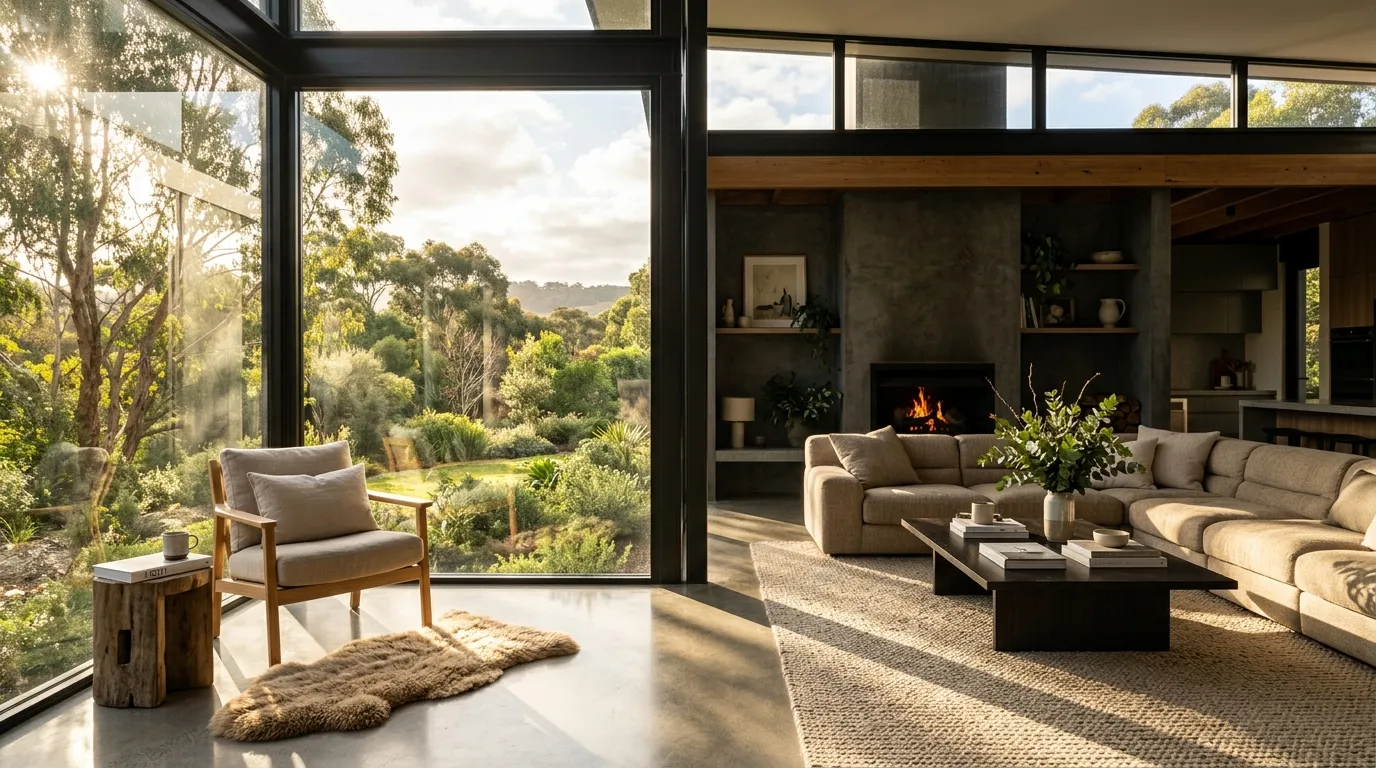
Excessive heat and blinding glare are the greatest enemies of modern glass houses and condominiums. Many homeowners decide to install the exact same window film across the entire house, hoping for a one-size-fits-all solution. However, this often results in rooms that are too dark or spaces that lose their airy, open feel.
The secret to solving heat issues precisely and cost-effectively is creating a Sunlight Diary. By observing and recording the direction of sunlight relative to the times you actually use each room, you can select the most appropriate window film specifications tailored to your unique lifestyle.
THE WHYWhy Create a Sunlight Diary?
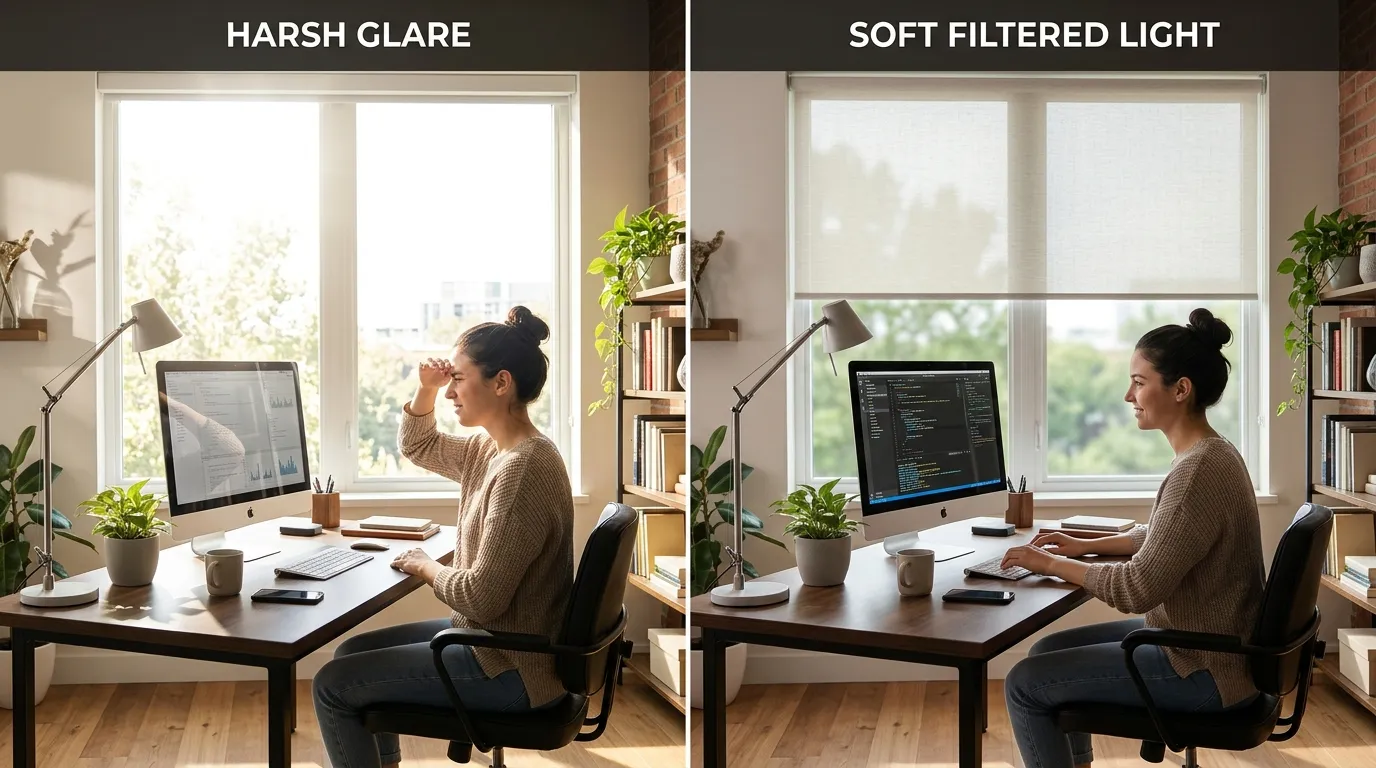
Separating glare from heat is the core of interior lighting design. Some rooms might be blindingly bright without accumulating much heat, while others might face intense long-wave infrared radiation in the afternoon, turning the space into an oven.
If you know exactly when and where the sun hits, you can make informed decisions. For instance, a west-facing bedroom requires high heat-rejection ceramic film, whereas an east-facing living room might only need a clear film to maximize natural daylight.
 STEP-BY-STEP
Simple Steps for Sun Mapping
Creating a sunlight diary isn’t complicated. You can do it yourself through these three basic steps:
1. Record Sunlight by Time and Direction
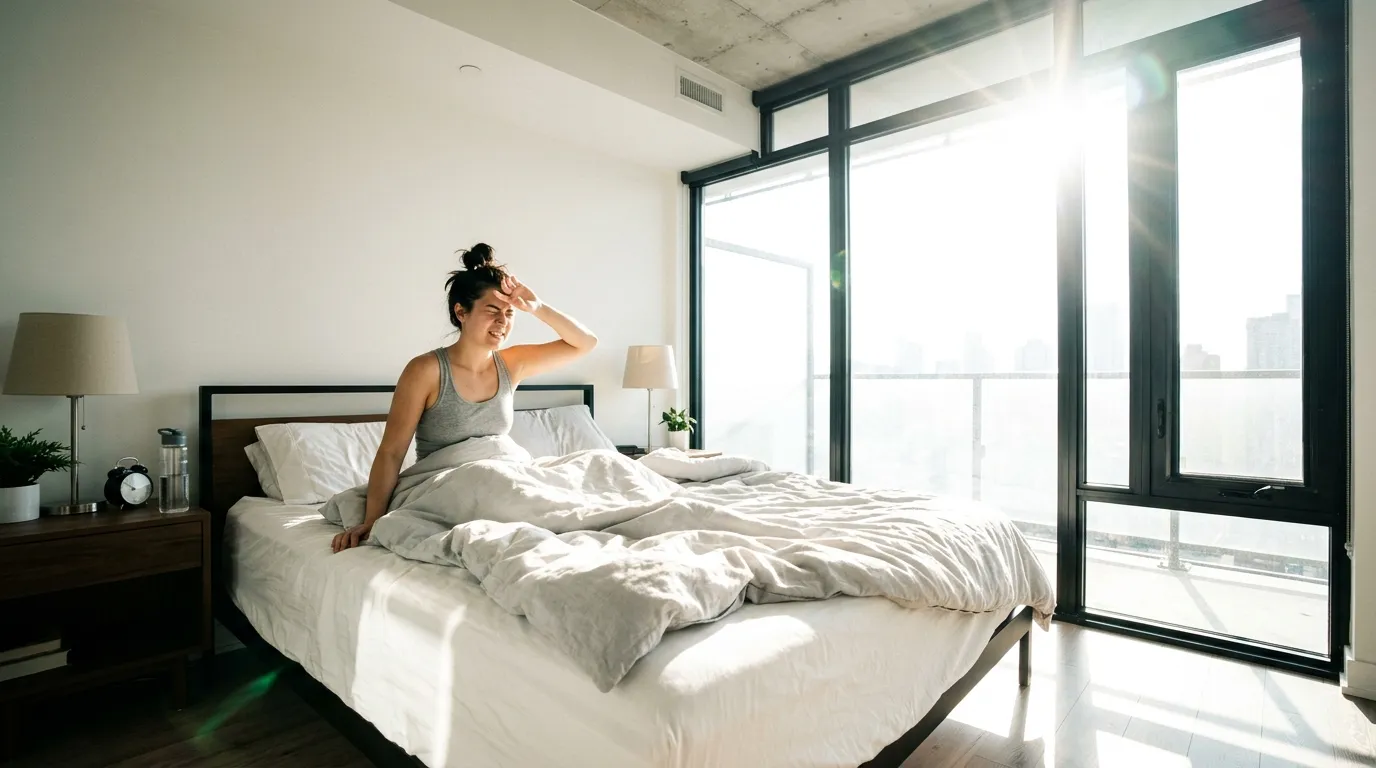
Start by observing which rooms receive morning sun (mild heat, east-facing) and which receive afternoon sun (intense heat, west and south-facing). This tracking will help you identify the critical zones in your house that demand the highest level of solar protection.

2. Match with Actual Usage Time
Accumulated heat only impacts your comfort if you are actually in the room. If your home office receives intense afternoon sun exactly when you are working, this room becomes your top priority for premium film evaluation. Conversely, if a living room gets afternoon sun but is only used at night, you might prioritize aesthetic privacy films over maximum heat rejection.
3. Evaluate Natural Light Requirements
Different rooms have different lighting needs. Kitchens and study areas require high natural light to feel open and comfortable for the eyes. On the other hand, a home theater or a bedroom might require a darker ambiance and maximum glare reduction.
 SPECIFICATIONS
MAXXMA Architectural Film Specifications
To help you apply your sunlight diary data when selecting materials, here are the technical specifications for the MAXXMA Architectural Series, designed to cover all levels of requirement.
MX-BL20 (Nano Building)
- VLT
- 20%
- TSER
- 69%
- Warranty
- 10 Years
MX-BL40 (Nano Building)
- VLT
- 40%
- TSER
- 56%
- Warranty
- 10 Years
MX-GN19 (Green Nano)
- VLT
- 19%
- TSER
- 60%
- Warranty
- 7 Years
MX-I970 (Clear Ceramic)
- VLT
- 70%
- TSER
- 44%
- Warranty
- 7 Years
Note: Data referenced from standard centralized testing databases.
CONSULTATIONFree On-Site Assessment Service
If you are unsure where to begin with your sunlight diary, MAXXMA’s expert technicians are happy to provide an on-site survey and assessment to help you determine the optimal film specifications.
Frequently Asked Questions (FAQ)
1
Does a morning-sun room require the same high heat-rejection film as an afternoon-sun room?
Generally, no. East-facing rooms with morning sun usually accumulate less intense heat compared to west or south-facing rooms. If you prefer a bright, airy feel, you can opt for a clear film with high Visible Light Transmission (VLT) that still blocks 99% of harmful UV rays, without needing maximum heat rejection specs.
2
If a room has windows facing multiple directions, should I use the same film spec on all of them?
Not necessarily. For example, if one window faces the harsh afternoon sun (west) and another faces the shaded north, you can install a darker, high heat-rejection ceramic film on the west window and a clearer film from the same series on the north window. This balances natural daylight and room temperature perfectly.
3
Can a clear window film reduce heat as effectively as a dark one?
Yes. Modern nano-ceramic technology can separate heat (infrared) filtering from visible light. This means premium clear films can achieve high Total Solar Energy Rejection (TSER) comparable to standard dark films, keeping your house cool without sacrificing natural views or daylight.
Conclusion & Contact Channels
Evaluating a sunlight diary yourself is the perfect starting point to plan your glass house cooling strategy. However, for complete confidence and flawless results, you can always rely on our expert team.
💬 Consult MAXXMA Experts for Free Interested in a price estimate, checking specifications, or finding a nearby authorized installer? Contact us immediately on LINE Official: @maxxma or call our technical department directly.
Ready to protect your home or vehicle?
Consult with MAXXMA experts to select the perfect film for your needs, or find an authorized dealer near you.