1. Window Film Basics: What You Must Know Before Deciding
1.1 What Is Window Film? Materials and Engineering
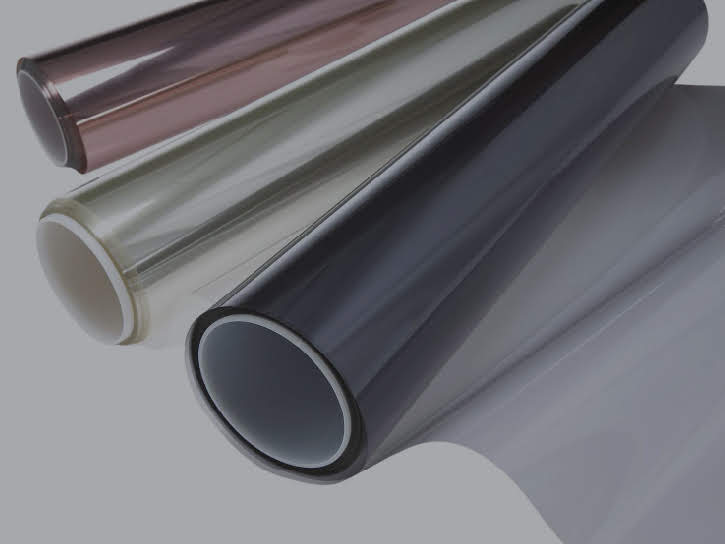
Window film is a precision-engineered optical laminate manufactured from high-grade polyester film (PET). Polyester provides exceptional tensile strength, dimensional stability, moisture resistance, and optical clarity across demanding weather conditions.
The base polyester is treated with multiple specialized microscopic coatings, including nano-ceramic particles, sputtered metals, or nano-carbon compounds. These specialized layers selectively filter solar radiation, reflect infrared heat, and block damaging ultraviolet (UV) rays. The film bonds to vehicular glass using an optically clear mounting adhesive, creating a seamless, distortion-free barrier that looks integral to the factory glass.
1.2 Why Window Film Is Essential for Tropical Driving
Tropical and equatorial climates experience elevated UV index levels throughout the year. In Thailand, more than 90% of vehicle owners install window film immediately upon taking delivery.
Beyond core heat rejection, quality window film provides multiple tangible benefits:
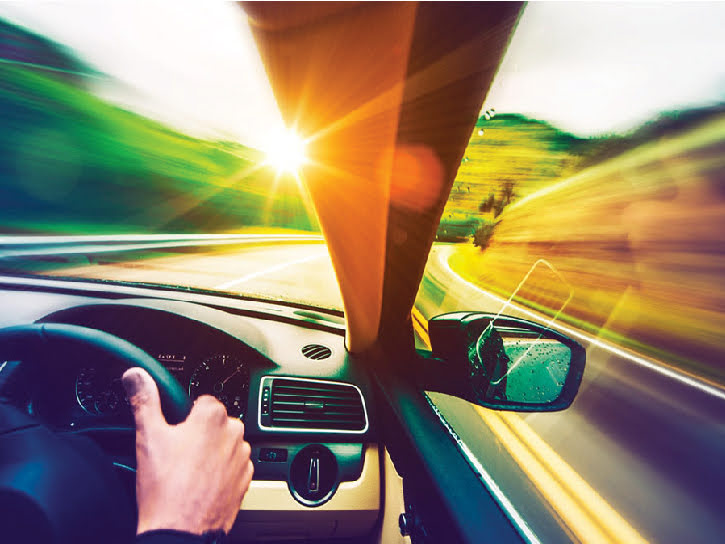
- Glare Reduction: Softens harsh direct sunlight and blinding reflections from reflective surfaces, significantly reducing driver eye fatigue.
- Enhanced Optical Clarity: Improves contrast and depth perception during bright midday commutes.
- Interior Preservation: Shields leather upholstery, synthetic dashboards, and sensitive touchscreens from cracking, warping, and premature color degradation.
- Privacy and Security: Keeps valuables out of plain view while holding glass shards in place in the event of an accidental impact.
Selecting the right film tier represents a high-return investment in long-term driving safety and daily cabin comfort.
1.3 Key Performance Metrics: VLT, TSER, UV, and IR Rejection
Before evaluating film brands or price tiers, familiarize yourself with standard international optical ratings:
- VLT (Visible Light Transmission): The percentage of visible light passing through the glass assembly. A lower number indicates a darker film shade.
- TSER (Total Solar Energy Rejected): The comprehensive percentage of total solar energy (UV, visible light, and infrared) blocked by the film. This is the single most accurate indicator of real-world heat rejection.
- UV Rejection: The percentage of harmful ultraviolet rays blocked. High-performance films should achieve 99% or higher to protect skin and interior materials.
- IR Rejection (Infrared Rejection): The percentage of infrared radiation (the invisible thermal energy felt on the skin) blocked by the film layers. High IR rejection keeps the cabin noticeably cooler.
2. Four Major Film Types: Pros, Cons, and Cost Profiles
2.1 Metallized / Reflective Film
Metallized films incorporate an ultra-thin vaporized layer of metal (such as aluminum, nickel, or bronze) between polyester substrates to reflect solar energy away from the vehicle.
- Key Advantages: Proven heat reflection (TSER 35% to 90%) and accessible pricing. Provides high daytime privacy through an exterior mirror finish.
- Significant Drawbacks: Attenuates or blocks digital RF signals, including GPS navigation, Easy Pass transponders, cellular connectivity, and keyless entry sensors. The reflective appearance can cause distracting glare for other motorists. Typical lifespan ranges from 3 to 7 years before corrosion or discoloration occurs.
2.2 Carbon Film
Carbon films disperse micro-ground carbon particles throughout the film core, creating an attractive, deep matte-black finish.
- Key Advantages: 100% free of conductive metal layers, allowing uninterrupted transmission of cellular, GPS, and RFID signals. Blocks 99% of UV rays and offers an elegant, non-reflective aesthetic.
- Significant Drawbacks: While superior to basic dyed films, carbon particles absorb thermal energy rather than reflect it, meaning heat eventually conducts into the cabin during prolonged sun exposure. Effective service life is typically 5 to 8 years under heavy solar exposure.
2.3 Nano-Ceramic Film (Recommended)
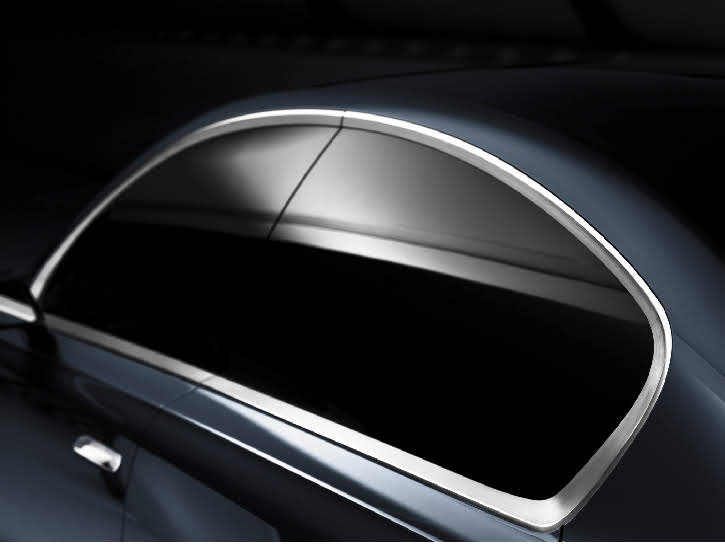
Nano-ceramic films represent the pinnacle of modern solar-control technology. By infusing sub-microscopic non-conductive ceramic nanoparticles (such as antimony tin oxide or titanium nitride), ceramic films selectively reject infrared heat while maintaining remarkable optical clarity.
- Key Advantages: Highest infrared rejection rates (IR Rejection up to 90% to 99%), superior overall heat dissipation (TSER up to 97%), and absolute zero digital signal interference for GPS, 5G cellular, ADAS cameras, and tollway sensors. Delivers the signature “dark exterior, clear interior” optical balance, allowing effortless nighttime vision and reliable heat rejection throughout a 10 to 15 year expected service horizon.
- Considerations: Carries a higher upfront purchase price than dyed or metallized options, yet offers significantly higher return on investment over the ownership lifecycle.
MAXXMA provides comprehensive ceramic lines tailored to different requirements: Independent Plus, Signature, and the flagship Black Panther Series.
2.4 Safety and Security Film
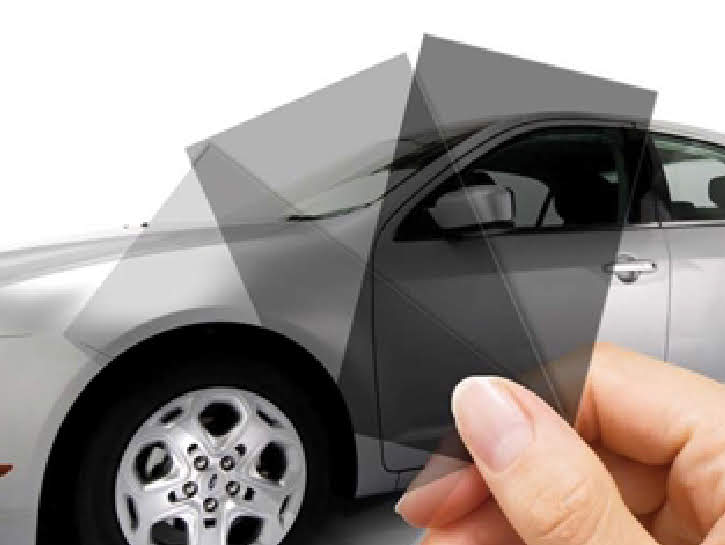
Safety films feature a heavy-gauge polyester construction ranging from 4 mil to 8 mil or thicker (1 mil = 1/1,000 inch), paired with aggressive, pressure-sensitive adhesives.
- Key Advantages: Holds shattered glass fragments firmly together upon high-velocity impact, protecting passengers from flying shards during collisions, violent weather, or attempted smash-and-grab thefts.
- Considerations: Base safety films focus primarily on mechanical retention rather than thermal rejection unless upgraded with integrated ceramic solar coatings. Installation requires experienced technicians due to film thickness.
Comprehensive Film Technology Comparison
| Film Technology | TSER (Heat Rejection) | Signal Transmission | Service Lifespan | Relative Cost | Optimal Application |
|---|---|---|---|---|---|
| Metallized Film | 35% to 90% | Blocks Signals | 3 to 7 Years | Entry-Level | Budget-conscious drivers with minimal digital sensor needs |
| Carbon Film | 40% to 70% | Zero Interference | 5 to 8 Years | Mid-Range | Owners seeking a dark matte style without metal interference |
| Nano-Ceramic Film | 50% to 97% | Zero Interference | 10 to 15 Years | Premium | All modern vehicles, EV smart cockpits, and demanding drivers |
| Safety Film | 30% to 65% | Zero Interference | 10+ Years | Specialized | Owners prioritizing glass retention, personal defense, and impact safety |
3. Decoding 40%, 60%, and 80% Film: Choosing the Right Darkness
3.1 Understanding Common Tint Terminology
In colloquial automotive discussions, drivers frequently refer to “40% film”, “60% film”, or “80% film”. In commercial practice, these percentages refer to an inverse darkness scale rather than a strict laboratory standard:
- 40% Tint (Light): Corresponds to an approximate Visible Light Transmission (VLT) of 35% to 50%. The glass appears light, transparent, and welcoming, offering maximum optical clarity.
- 60% Tint (Medium): Corresponds to an approximate VLT of 20% to 30%. Provides an ideal compromise between daytime glare reduction, external privacy, and nighttime road visibility.
- 80% Tint (Dark): Corresponds to an approximate VLT of 10% to 20%. Delivers intense daytime privacy with a commanding, dark exterior profile.
Note: Specific VLT ratings vary slightly across manufacturers. Always verify certified technical spec sheets rather than relying solely on colloquial percentage labels.
3.2 40% Tint (Light): Windshields and Night Driving
A 40% tint level is strongly recommended for the front windshield and for motorists who regularly commute after dark, in unlit rural areas, or during heavy monsoon downpours. High visible light transmission ensures that pedestrians, unlit road obstacles, and lane markings remain instantly identifiable.
When engineered with premium nano-ceramic coatings, a 40% film rejects upwards of 90% infrared heat without requiring a dark tint, debunking the old myth that a film must be dark to be cool.
3.3 60% Tint (Medium): The Popular Sweet Spot
The 60% tint level represents the most popular selection among Thai drivers. When applied to front side windows or rear cabins, it provides comfortable privacy, reduces intense side-window glare, and maintains sufficient outward visibility for side-mirror checks at night.
In premium ceramic compositions, 60% tint allows high interior comfort while giving the vehicle a cohesive, refined profile.
3.4 80% Tint (Dark): Maximum Privacy and Crucial Precautions
An 80% tint level is engineered for passengers seeking complete visual discretion, such as corporate executives, celebrities, or commercial transports carrying sensitive cargo. From the outside, the cabin interior is virtually invisible even in bright sunlight.
Crucial Precautions:
- Severe Nighttime Vision Loss: An 80% tint severely restricts visible light. It must never be applied to front windshields and should be used with extreme caution on front side windows, as side-mirror visibility during dark parking maneuvers or rainy night driving is significantly compromised.
- Regulatory Scrutiny: Many jurisdictions enforce strict minimum light transmission standards on forward glazing.
Recommended Film Darkness by Window Position
| Window Position | Recommended Shade | Regulatory Guideline | MAXXMA Model Recommendations |
|---|---|---|---|
| Front Windshield | 40% (Light) | VLT >= 70% recommended | High-VLT optical grades: Signature or Independent Plus |
| Front Side Windows | 40% to 60% (Medium) | VLT >= 40% for mirror safety | Balanced visibility: Polarized MX-PR40 / MX-PR60 or Refined MX-BL40 / MX-BL50 |
| Rear Side Windows | 60% to 80% (Medium to Dark) | Flexible per owner choice | Privacy options: Black Panther MX-BP80 or Refined series |
| Rear Windshield | 60% to 80% (Medium to Dark) | Flexible per owner choice | High solar block: Black Panther or Signature with defroster grid compatibility |
Unsure which tint level fits your daily commute?
MAXXMA certified centers provide physical glass display samples and optical light transmission meters so you can inspect clarity firsthand before making a final choice.
Consult an Installation Specialist4. Tailoring Your Film Choice to Your Driving Lifestyle
Midday Commuters and High-Mileage Drivers
Prioritize maximum IR Rejection and TSER. Choose Black Panther or Signature nano-ceramic films offering 90%+ infrared rejection. Your cabin cools down rapidly, reducing air-conditioning compressor strain and preserving electric vehicle driving range.
Frequent Night and Highway Commuters
Prioritize high optical clarity and controlled internal reflectance. Select Independent Plus or high-VLT Signature grades for distortion-free vision under poor street lighting, rainstorms, and dark parking garages.
Families and Young Children
Seek certified 99% UV rejection combined with semi-safety thickness. High UV filtration protects delicate child skin and eyes, while a durable film bond shields occupants from accidental shattering hazards.
Executive Privacy and Confident Style
Opt for a 60% to 80% darkness profile with true “dark exterior, clear interior” engineering. The Refined Series or Black Panther Series shields passenger activities from outside observation while preserving clean outward visibility.
5. Ten Checks Before You Install: The Essential Buyer Checklist
Key Principle: Even the highest-grade window film will underperform if applied with substandard preparation. Professional installation is just as critical as raw material quality.
- 1. Define a Realistic Budget: Extremely low-priced installations often cut corners with unstable dyes that bubble, purple, or peel within months. Budget according to your vehicle’s ownership horizon.
- 2. Select the Appropriate Technology: Match metallized, carbon, or nano-ceramic constructions to your specific electronic sensor and heat rejection requirements.
- 3. Set Balanced Tint Levels: Avoid excessive darkness on front windows that compromises rainy or nighttime driving safety.
- 4. Inspect Certified Technical Ratings: Request published specification sheets documenting VLT, TSER, UV, and IR ratings tested under accredited laboratory conditions.
- 5. Verify Installer Environment: Professional installations require enclosed, dust-controlled bays equipped with air filtration and water purification systems to prevent trapped dust specks.
- 6. Inspect Physical Glass Samples: Evaluate live film samples applied to glass under natural outdoor sunlight, not merely swatches in a desktop brochure.
- 7. Review Formal Warranty Terms: MAXXMA provides up to 7 years of official warranty coverage protecting against bubbling, adhesive failure, peeling, and delamination. Review the full terms on our warranty page.
- 8. Confirm Regulatory Compliance: Verify that your chosen front windshield and front side window combinations adhere to local automotive visibility regulations.
- 9. Observe the 3 to 5 Day Curing Period: Following installation, do not roll down windows, wash the internal glass, or attach suction cup mounts for at least 3 to 5 days to allow the mounting adhesive to cure completely.
- 10. Practice Safe Maintenance: Clean interior film surfaces exclusively with ammonia-free glass solutions and soft microfiber towels. Never use abrasive scouring pads, razors, or harsh chemical solvents.
Ready to book your professional installation?
Locate an authorized MAXXMA dealer near you: our trained technicians provide professional installations nationwide.
Call 02-543-6601-26. The MAXXMA Difference: Why Drivers Choose Our Protection
- Comprehensive Product Families: From the flagship Polarized Series and deep black Black Panther to the stylish Refined and high-clarity Independent Plus, we provide specialized solutions for every vehicle segment.
- Advanced Nano Carbon Ceramic Formulation: Unmatched thermal rejection, crystal-clear optics, and zero digital signal degradation for 5G, GPS, and Easy Pass.
- Comprehensive 7-Year Warranty: Real protection against bubbling, delamination, and discoloration backed by authorized nationwide support.
- 20+ Years of Craftsmanship: Our nationwide network of certified technicians is rigorously trained in precision glass preparation and seamless edge shrinking.
- On-Site Clarity and Spec Verification: Test film heat rejection and optical clarity with calibrated laboratory instruments before you commit.
7. Frequently Asked Questions
How do 40%, 60%, and 80% films differ in nighttime visibility?
A 40% film (light) provides exceptional day and night clarity, making it the safest choice for front windshields. A 60% film (medium) offers balanced daytime shading and safe nighttime visibility on side windows. An 80% film (dark) is very comfortable in blinding midday sun, but significantly reduces nighttime outward vision: it should never be fitted on front windshields. High-grade nano-ceramic formulations provide significantly sharper contrast and night clarity than generic dyed films of identical darkness.
What are the legal limits and penalties for overly dark automotive film?
In Thailand, transport regulations recommend minimum visible light transmission of 70% for front windshields and 40% for front side windows to ensure traffic safety. Operating a vehicle with non-compliant glass can incur fines up to 5,000 THB and mandatory removal orders. MAXXMA recommends selecting certified, legal configurations that maximize heat rejection without endangering yourself or others.
How does nano-ceramic film compare directly with metallized film?
Metallized films use metallic coatings that reflect heat well initially, but interfere with wireless signals (GPS, Easy Pass, 5G cellular) and degrade within 3 to 7 years. Nano-ceramic films utilize non-conductive ceramic nanoparticles that deliver superior infrared rejection without signal loss, provide crisp optical clarity, and maintain stable performance for 10 to 15 years.
How should I clean and care for my new window film?
Do not roll down windows for 3 to 5 days after installation to allow the mounting adhesive to cure. Once cured, clean the film using only an ammonia-free glass cleaner and a plush microfiber towel. Never use abrasive scrubbers, harsh solvents, or sharp objects on the film surface.
What is the typical lifespan of automotive window film?
Basic dyed films last 2 to 3 years before fading. Metallized films last 3 to 7 years. Quality carbon films last 5 to 8 years. Advanced nano-ceramic films, including MAXXMA Ceramic Series, last 10 to 15 years, backed by our 7-year official manufacturer warranty.
How long does a full vehicle installation take?
A standard sedan installation takes approximately 2 to 2.5 hours. A larger SUV or MPV typically requires 3 to 4 hours. If old film removal and glass adhesive stripping are required, allow an additional 1 to 2 hours for thorough surface preparation.
What is covered under the MAXXMA 7-year warranty?
The warranty covers material and installation defects including bubbling, blistering, adhesive delamination, cracking, and peeling under official terms. Damage resulting from improper cleaning chemicals, abrasive scratching, mechanical collisions, or deliberate misuse is excluded.
8. Summary: Choosing the Right Protection for Your Drive
Whether taking delivery of a brand-new electric vehicle or replacing aged, bubbling film on your existing daily driver, selecting window film is about more than brand slogans or arbitrary darkness numbers. It is about choosing proven technology tailored to your commute, passenger comfort, safety, and budget.
MAXXMA nano-ceramic formulations provide the complete answer: exceptional heat dissipation, complete signal transparency, high night clarity, and a durable 10 to 15 year operational life backed by our comprehensive 7-year warranty.
Ready to select the ideal film for your vehicle?
Our team of technical specialists is ready to provide expert guidance, demonstrate physical glass samples, and deliver a transparent estimate with zero obligation.
Explore the full automotive range on our MAXXMA Automotive Window Film page.
Ready to protect your home or vehicle?
Consult with MAXXMA experts to select the perfect film for your needs, or find an authorized dealer near you.