
The Poetry of Daylight, and the Quiet Loss Unfolding in Silence
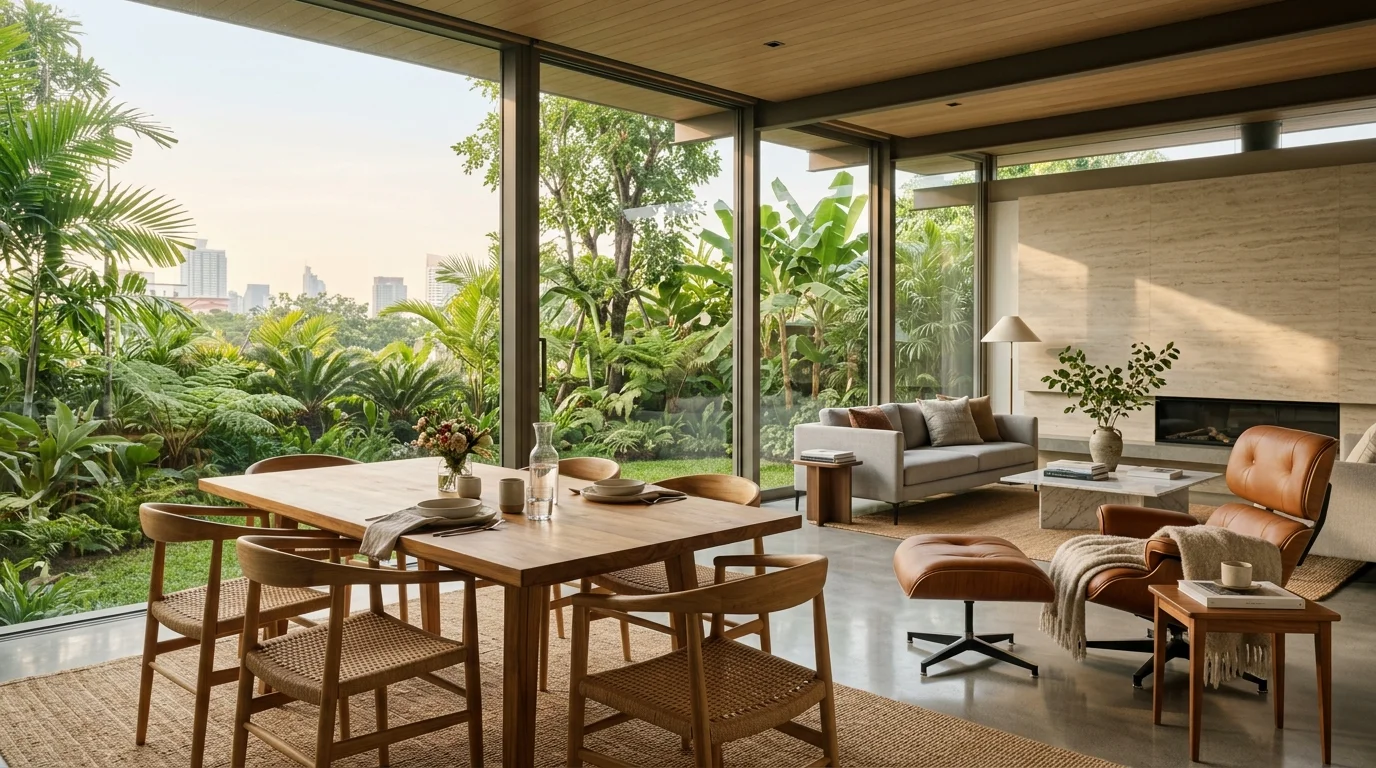
Picture a serene Saturday morning inside a glass-walled residence. Warm golden sunlight glides across floor-to-ceiling glass, illuminating the organic grain of natural teak flooring. Soft reflections dance across the supple cognac leather of an Italian armchair and play against original canvas paintings mounted on raw concrete walls. This seamless communion with natural daylight is the very essence of modern open architecture: a sanctuary where spatial freedom and aesthetic elegance thrive.
Yet, behind the pure beauty of sunlight lies an invisible physical reality, quietly eroding the textures and colors you cherish most.
Most homeowners only notice the damage when it is too late:
- The day you shift a ceramic vase or rearrange a designer rug, only to uncover a stark discoloration footprint: the exposed floor has faded into a dull grey, while the protected wood retains its deep golden luster.
- A butter-soft aniline leather sofa begins showing micro-cracks along its surface, growing stiff and brittle under prolonged heat.
- Hand-woven linen drapes lose their natural drape and tensile strength, while vibrant pigments in oil paintings lose their original depth and brilliance.
These curated pieces are never merely expensive decor. They embody treasured memories, bespoke craft, and personal identity. When sunlight bleaches their beauty away, the loss is not merely financial: it is an emotional subtraction from the sanctuary you built.
The False DilemmaThe False Compromise: Did We Build a Glass Home Just to Live in the Dark?
When faced with the silent threat of sun damage, many homeowners default to conventional solutions: drawing heavy blackout drapes or motorized aluminum shutters throughout the bright afternoon hours.
However, that approach destroys the soul of glass architecture from the outset:
- You invested in panoramic glass to commune with nature, yet you find yourself enclosed inside a dark, shuttered box.
- You welcomed sunlight to celebrate spatial grandeur, yet you are forced to switch on electric ceiling lights at two in the afternoon.
- A lingering sense of claustrophobia gradually replaces the uplifting joy of open-air living.
The true challenge of luxury interior design is never choosing between damaged furniture or a darkened home. The real question is: How can we celebrate natural daylight to the fullest, while creating an invisible barrier that preserves every precious texture for decades to come?
The Science of PhotodegradationUnderstanding the True Enemies of Interior Materials
In materials science, the irreversible chemical breakdown of dyes, fibers, and organic polymers under light exposure is known as Photodegradation.
Understanding the precise contributors to fading allows us to design targeted, uncompromising protection:
Photodegradation Breakdown
Key Factors Causing Interior Fading and Material Degradation
According to international building energy and optical standards (LBNL & IWFA)
High-energy invisible rays that directly break molecular polymer bonds, natural resins, wood lignin, and organic textile dyes.
Accumulated solar heat evaporates natural moisture and essential oils, causing wood warping, adhesive breakdown, and leather drying.
Excessively intense light photons gradually bleach sensitive color pigments in fine fabrics, printmaking inks, and canvas paintings.
Indoor relative humidity variations, chemical finishes, and inherent material resilience.
Materials science confirms that no technology can halt 100% of fading as long as visible light illuminates a room. However, by eliminating 99% of UV radiation and rejecting high-intensity infrared heat, you reduce the degradation rate by 70% to 80%, extending the pristine beauty of your heirloom furniture by decades.
Material Vulnerabilities4 Masterpiece Materials Most Sensitive to Solar Exposure
Different interior materials react to solar exposure through unique degradation mechanisms:
1. Solid Hardwoods and Fine Veneers
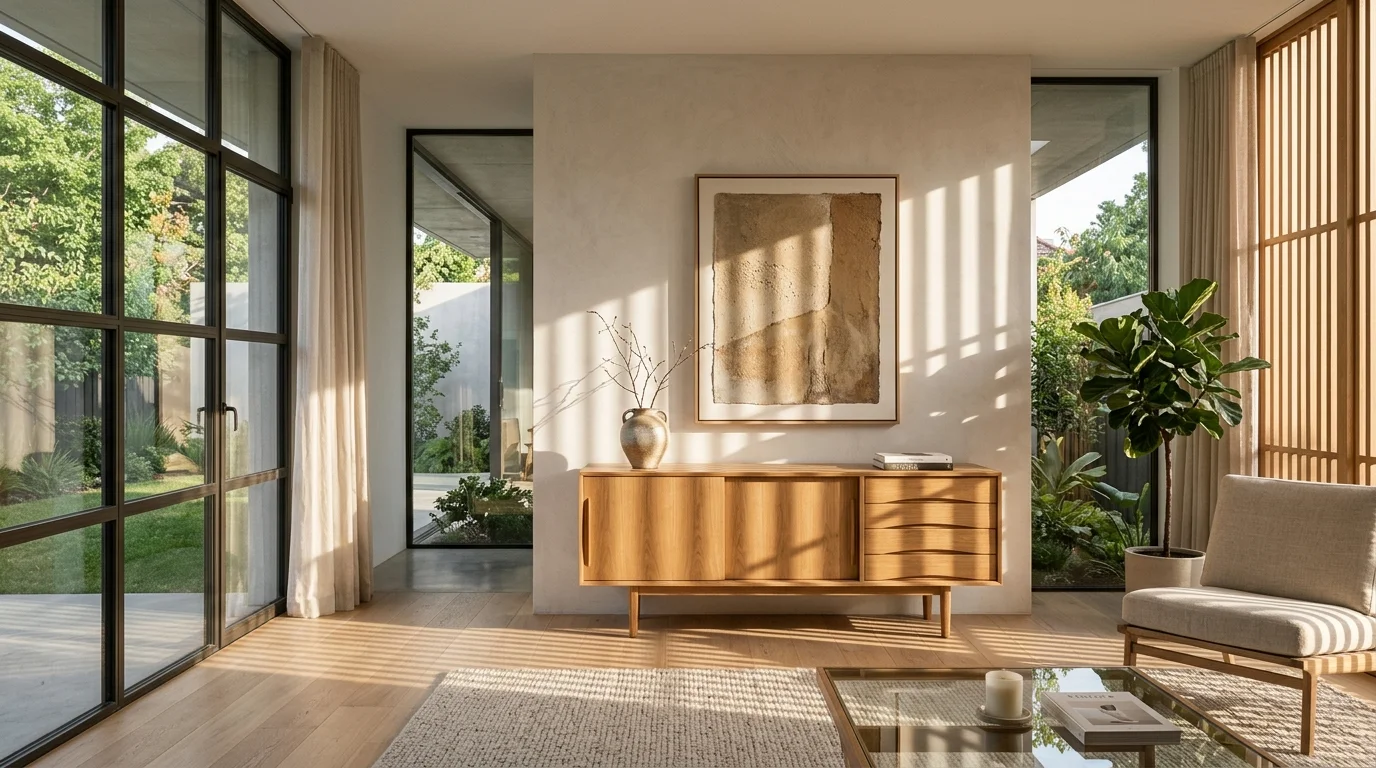
Teak, American walnut, and white oak owe their timeless appeal to natural grain structures and organic oils. When UV rays break down the natural lignin within wood cells, color shift begins. Walnut typically bleaches into a faded straw yellow, while lighter woods can develop uneven dark patches. Simultaneously, intense infrared heat saps natural moisture, causing joints to shrink and micro-fissures to appear along tabletop seams.
2. Full-Grain and Aniline Leathers
Unfinished luxury leathers (Full-Grain Aniline and Semi-Aniline) feature open pores that breathe effortlessly and feel remarkably soft. But without synthetic topcoats, they are acutely vulnerable to light. Combined heat and UV exposure strip essential moisture and natural oils from the dermal layer, turning once-pliable leather stiff, dry, and prone to permanent hairline cracks.
3. Natural Textiles and Hand-Knotted Rugs (Silk, Wool, Linen, Velvet)
Natural fibers contain delicate protein and cellulose chains. Constant UV absorption weakens these molecular bonds, causing textiles to lose their elasticity and tear easily. Organic dyes in Persian rugs and Belgian linen drapes fade noticeably faster than synthetic alternatives.
4. Fine Art and Original Canvases
Oil and acrylic binders undergo photo-oxidation when exposed to UV light. Over time, protective varnishes yellow and cloud over, while paint layers lose cohesion, leading to fine surface crazing and pigment flaking.
The Curated Defense Architecture4 Integrated Layers of Seamless Protection
Creating an enduring glass sanctuary requires a thoughtful harmony of landscape design, architectural shading, and modern optical film engineering:
Layer 1: Biophilic and Spatial Orientation
- Intentional Placement: Position sensitive artwork and untreated leather armchairs outside the direct path of low-angled western afternoon sun.
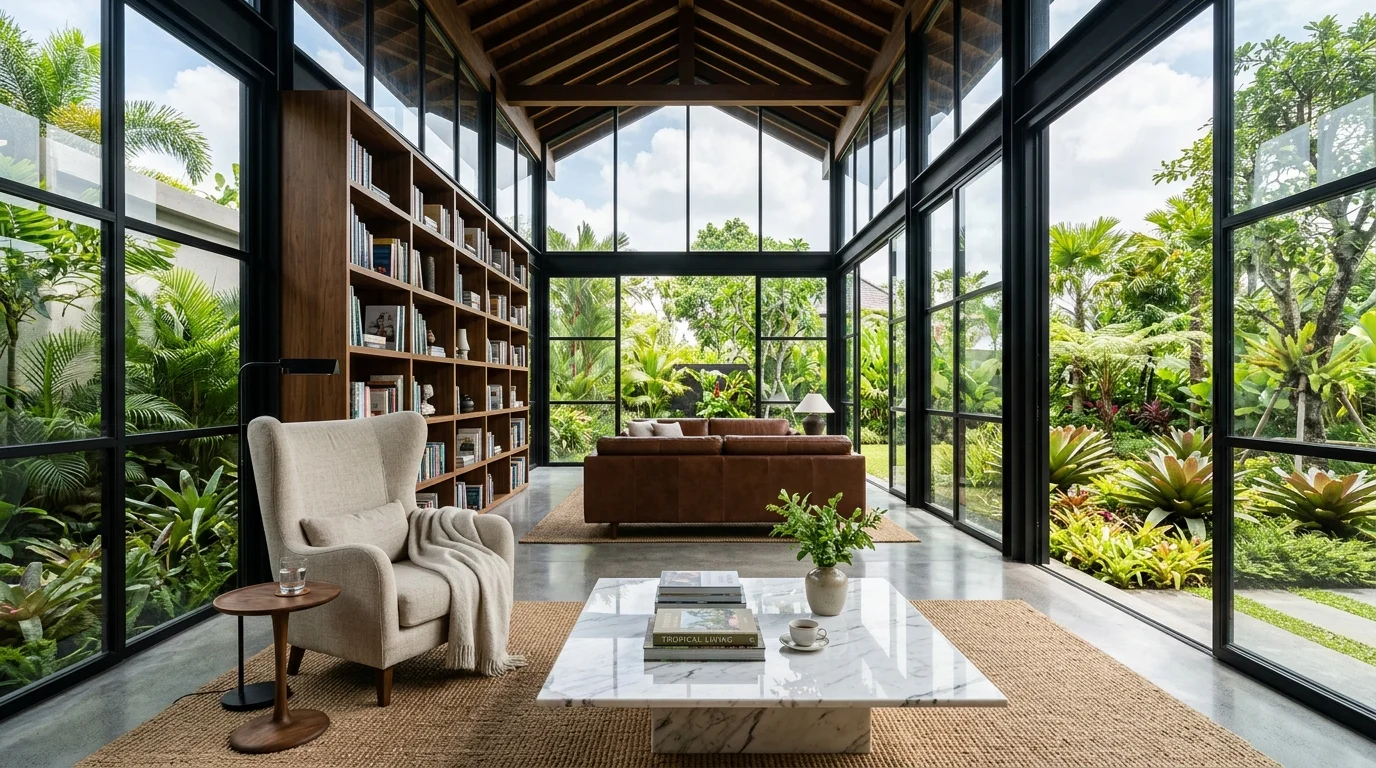
- Organic Canopy Shading: Plant sculptural canopy trees such as Frangipani, Pink Shower, or elegant bamboo groves outside western glass facades to soften direct solar intensity while casting artistic shadow patterns across the floor.
Layer 2: The Invisible Optical Shield on Glass
The most crucial line of defense is installing Optical Nano-Ceramic Window Film directly onto glass surfaces:
- 99% Complete UV Interception: Neutralizes the primary catalyst of color fading right at the building envelope.
- 90% to 99% Infrared Heat Rejection: Keeps furniture surface temperatures cool, preserving wood moisture and leather suppleness.
- Flawless True-to-Life Color Rendering: Welcomes glare-free daylight without casting unnatural green or blue color casts, keeping interior palettes and lush garden vistas 100% true to nature.
Layer 3: Tactile Surface Protection (Clear Guard Furniture PPF)
For high-touch surfaces such as natural teak dining tables, polished marble islands, or executive desks:
- Installing MAXXMA Clear Guard Furniture PPF applies an optically clear, self-healing TPU protective layer. It shields tabletops against scratches, wine stains, hot coffee cups, and direct UV bleaching without masking the organic grain texture beneath.
Layer 4: Soft Linen Light Diffusion
Using soft ivory or warm beige sheer curtains allows you to diffuse sharp midday sun into a gentle, ambient glow, creating romantic warmth while maintaining airy spatial openness.
Curated Product MatrixMAXXMA Architectural Film Collections for Interior Preservation
Select the ideal film specification to match your room orientation, aesthetic preferences, and preservation goals:
Structure: Nano Ceramic + Polarized Optical Filter
- UV Block
- 99%
- IR Rejection
- 95% - 99%
- Daylight VLT
- 15% - 50%
Best For: Ideal for west-facing living halls, private art galleries, and rooms showcasing solid teak and heirloom leather collections.
Structure: High-Density Nano Carbon Ceramic
- UV Block
- 99%
- IR Rejection
- 90% - 95%
- Daylight VLT
- 5% - 35%
Best For: Contemporary luxury residences seeking executive privacy, cutting glare on display screens and polished marble surfaces.
Structure: Essential Deep-Dyed Ceramic
- UV Block
- 99%
- IR Rejection
- 70% - 85%
- Daylight VLT
- 15% - 50%
Best For: Reliable baseline protection for north and east-facing windows experiencing moderate ambient daylight.
Structure: Self-Healing Optical TPU
- UV Block
- 99%
- Heat Resistance
- 120°C
- Clarity VLT
- 92% Ultra-Clear
Best For: Direct application on solid wood dining tables, natural marble counters, and kitchen islands to prevent micro-scratches and stains.
| Film Collection | Core Technology | UV Block | IR Rejection | Daylight VLT | Interior Suitability |
|---|---|---|---|---|---|
Polarized MX-PR Series ★ Top Recommendation | Nano Ceramic + Polarized Optical Filter | 99% | 95% - 99% | 15% - 50% | Supreme choice for west-facing halls, art galleries, solid teak furnishings, and heirloom leather. |
Black Panther MX-BP Series Modern Privacy | High-Density Nano Carbon Ceramic | 99% | 90% - 95% | 5% - 35% | Tailored for contemporary luxury homes requiring executive privacy and glare reduction. |
Refined MX-R Series Essential Value | Essential Deep-Dyed Ceramic | 99% | 70% - 85% | 15% - 50% | Dependable baseline solar protection for north and east-facing living rooms. |
Clear Guard Furniture PPF Tabletop Shield | Self-Healing Optical TPU | 99% | Resists 120°C Heat | 92% (Ultra-Clear) | Direct tabletop application for solid wood and marble, guarding against stains, scratches, and direct rays. |
To explore complete technical data and architectural specifications, visit the MAXXMA Architectural Window Film section.
Practical Assessment Guide4 Simple Steps to Audit and Protect Your Living Space
Before selecting your protective window treatment, follow this 4-step spatial audit:
- Establish a Baseline Photographic Record: Take high-resolution photographs of signature furniture and artwork in natural morning, midday, and afternoon light as a long-term reference point.
- Observe Seasonal Sun Angles: Notice how far solar angles penetrate into your living area across seasons, especially low-angled winter sun that reaches deep into seating zones.
- Prioritize Signature Heirlooms: Identify pieces that require paramount care: original canvas artworks, heritage teak pieces, or imported leather upholstery, allocating high-spec protection to these key zones.
- Evaluate On-Site Material Swatches: Invite certified technicians to place authentic film swatches against your windows, checking clarity, garden views, and color neutrality under your home’s genuine daylight conditions.
Frequently Asked Questions (FAQ)
1Does a 99% UV-blocking window film completely stop furniture fading?
A 99% UV-blocking film cannot eliminate 100% of fading because photodegradation is a multi-factor process. UV radiation contributes 40% to 45%, infrared heat contributes 25%, and visible light contributes another 25%. However, combining 99% UV rejection with high infrared heat rejection dramatically slows degradation by over 70% to 80%, extending the pristine life of your furniture far beyond standard unshielded glass.
2Between high-clarity and tinted films, which offers superior material protection?
Both clear and tinted MAXXMA nano-ceramic films block 99% of UV rays equally. However, deeper tinted films reduce visible light intensity (VLT) and total solar energy (TSER) more effectively. For spaces dedicated to rare fine art, delicate silk rugs, or untreated leather, medium-tinted films (VLT 20% to 35%) provide the most balanced, museum-grade preservation.
3Will applying solar control window film harm indoor houseplants?
No. Indoor plants utilize visible daylight (wavelengths between 400 and 700 nanometers) for photosynthesis, which MAXXMA architectural films transmit generously. Filtering out harsh ultraviolet rays and extreme radiant heat actually protects delicate tropical foliage from leaf scorch and soil dehydration.
4How does Clear Guard Furniture PPF differ from placing a glass sheet over a table?
Rigid glass covers add heavy weight, can trap abrasive dust underneath, and create harsh glare while masking the organic tactile feel of wood or marble. In contrast, Clear Guard TPU film bonds seamlessly with the tabletop, offers self-healing scratch resistance, withstands high heat, repels liquids, and enhances the organic beauty of the material naturally.
5What is the expected lifespan and warranty coverage of MAXXMA architectural films?
MAXXMA architectural window films deliver a reliable service lifespan of 5 to 7+ years without peeling, or bubbling, backed by official warranty terms. Explore complete warranty coverage at the MAXXMA Warranty Portal.
🌿 Consult with MAXXMA Architectural Glazing and Preservation Specialists Safeguard your bespoke furniture and art collections while keeping your garden views crystal clear. Schedule a complimentary on-site consultation and live material swatch test via LINE Official: @maxxma
Talk to the MAXXMA team
and choose the right film for your project
References and Preservation Standards
- International Window Film Association (IWFA): Architectural Window Film Performance and UV Fade Protection Standards: https://iwfa.com/
- Lawrence Berkeley National Laboratory (LBNL) Window and Daylighting Group: Research on Spectrally Selective Glazing and Photodegradation Mitigation: https://windows.lbl.gov/
- The Getty Conservation Institute: Museum Environmental Management and Light Exposure Guidelines for Organic Materials and Fine Arts: https://www.getty.edu/conservation/
Ready to protect your home or vehicle?
Consult with MAXXMA experts to select the perfect film for your needs, or find an authorized dealer near you.