
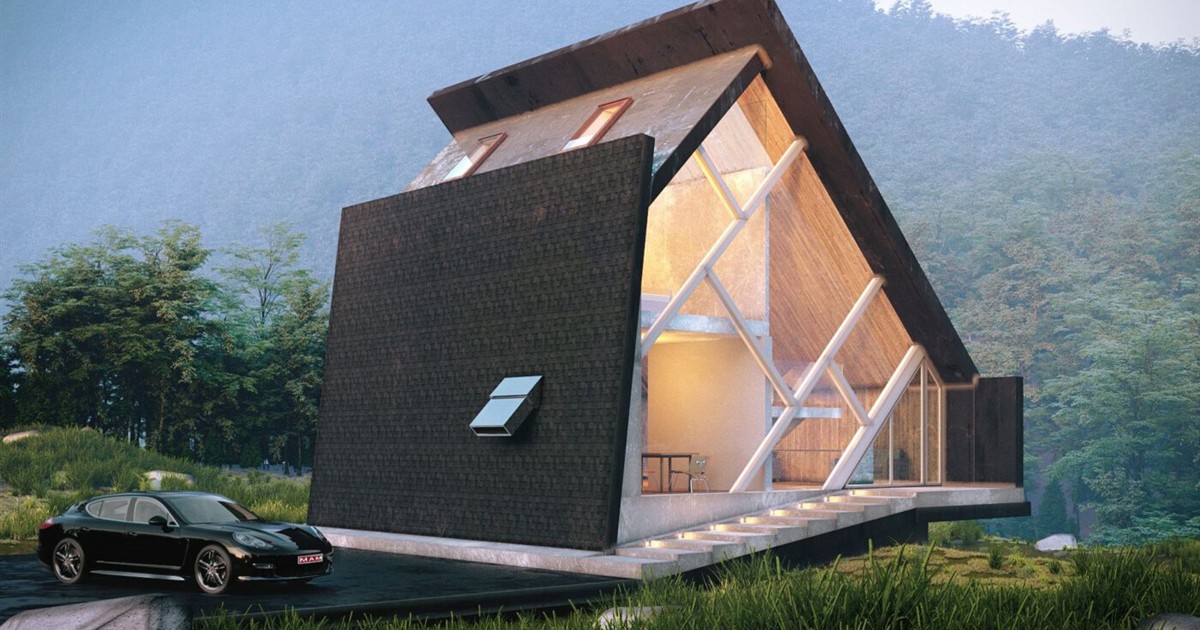
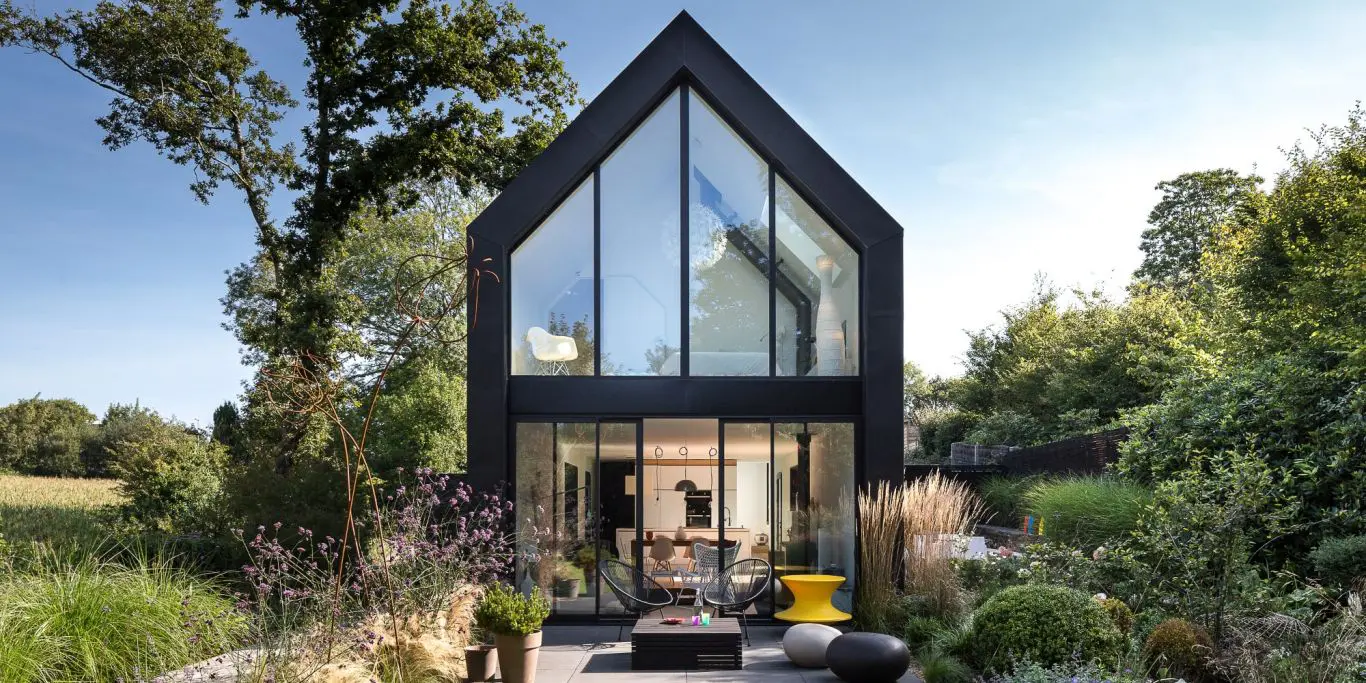
Nordic Style Homes with Architectural Window Film
How to preserve natural light, beautiful views, and the spaciousness of large glass homes while reducing heat, blocking UV, and saving on electricity bills with high-quality ceramic film from MAXXMA.
What is a Nordic Home? Why Do Thais Love It?
Nordic Homes or Nordic Style is a design approach inspired by Scandinavian countries such as Norway, Sweden, Finland, Denmark, and Iceland. Its highlights are simplicity, warmth, practicality, and a strong emphasis on natural light. Because its region of origin experiences long winters and short daylight hours, homes must draw as much light inside as possible to create brightness, warmth, and a feeling of connection to nature.
When this concept arrived in Thailand, the Nordic home became the quintessential image of modern, airy, spacious, and comfortable housing. High-pitched gable roofs, large glass windows, walls in white, gray, cream, or earth tones, and natural materials like wood, stone, linen, or genuine leather. Every element makes the house look elegantly minimalist, beautiful in the long run, and matches the lifestyle of urbanites wanting a simple yet high-quality resting space.
However, Nordic homes in Thailand do not face the same conditions as homes in Northern Europe. The original design seeks to retain warmth, but Thailand must battle intense sunshine, high humidity, and year-round accumulated heat. Especially for homes featuring full-wall glass or large sliding doors, without proper solar energy management, a very beautiful house can also become a very hot one.
The heart of Nordic Style is making the interior space a part of the natural exterior. Light, views, gardens, and tree shadows are not just decorations; they are part of the living experience. Therefore, choosing architectural window film must not destroy this spaciousness. It must help ensure that the light coming in is “comfortable” light, not light that brings all the heat with it.
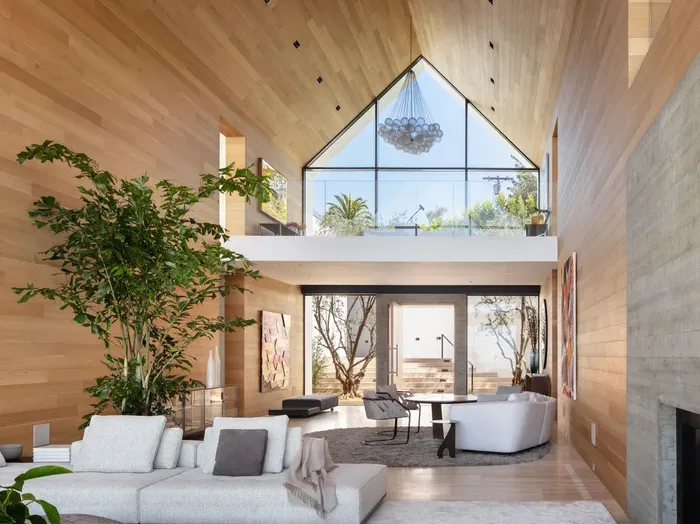
Design Principles and Highlights of Nordic Design
A key characteristic of Nordic Design is rational simplicity. Every line, every material, and every opening is designed for practical use, not just aesthetics. The “Less is More” principle is evident in simple furniture, solid colors, natural textures, and leaving breathing room for the house. Decoration doesn’t need to be excessive, but it must make residents feel calm, airy, and find daily living easier.
Popular color tones include white, gray, beige, wood brown, muted green, navy, or matte black used for accents. Natural materials like oak, ash, woven fabrics, and pottery help soften architectural lines, making the house friendlier and warmer. Another highlight is the use of glass to welcome light instead of relying on electric lighting all day, saving lighting energy and providing a better quality of life in terms of mood and visibility.
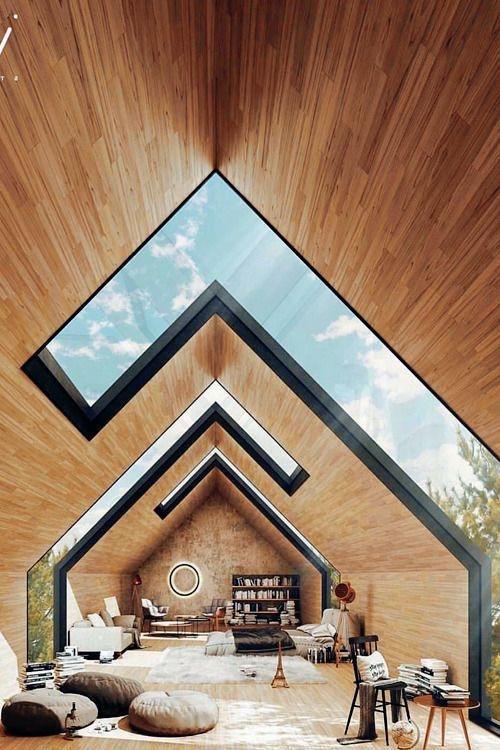
When glass becomes a primary component, glass quality, sun direction, eaves length, curtains, and window films must be considered together from the start. A well-designed Nordic home isn’t one that “takes in all the sun,” but one that chooses light smartly—welcoming brightness and views while filtering out the energy that makes the house unnecessarily hot.
Disadvantages of Nordic Homes in the Thai Climate
The main problem for Nordic homes in Thailand is heat from large glass windows. Sunlight consists of visible light, infrared rays that create heat, and ultraviolet rays that cause skin and interior materials to degrade. Even though glass makes a home bright and offers beautiful views, without appropriate film or shading systems, the areas near the glass will become too hot to use at certain times.
Homes facing west or south experience the most obvious accumulated heat. In the afternoon, sunlight continuously strikes the glass for hours. Wood floors, sofas, curtains, and interior walls absorb this heat. When the air conditioner is turned on, it has to work incredibly hard to pull the heat out of the room. This drives up electricity bills and creates uneven indoor temperatures—some corners cool, some hot, and some spots with glaring light forcing you to keep curtains closed all day, which contradicts the Nordic Style concept of embracing natural light.
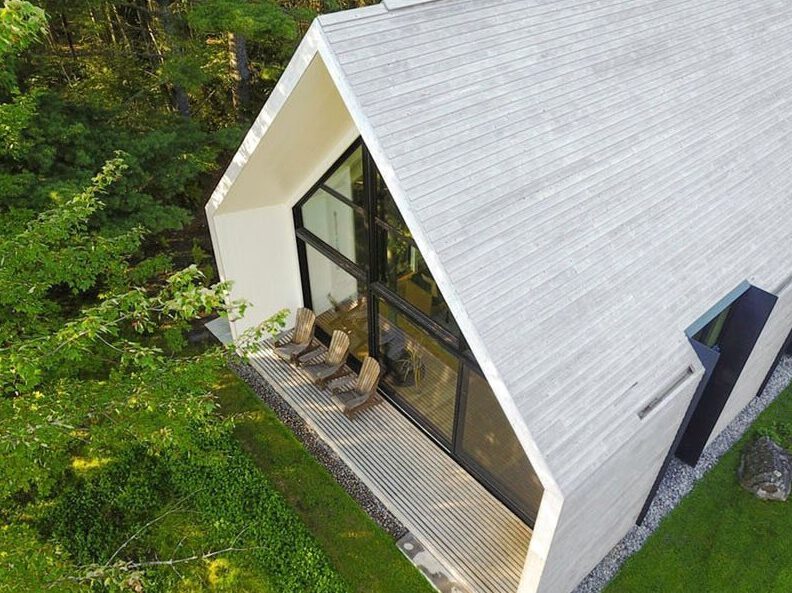
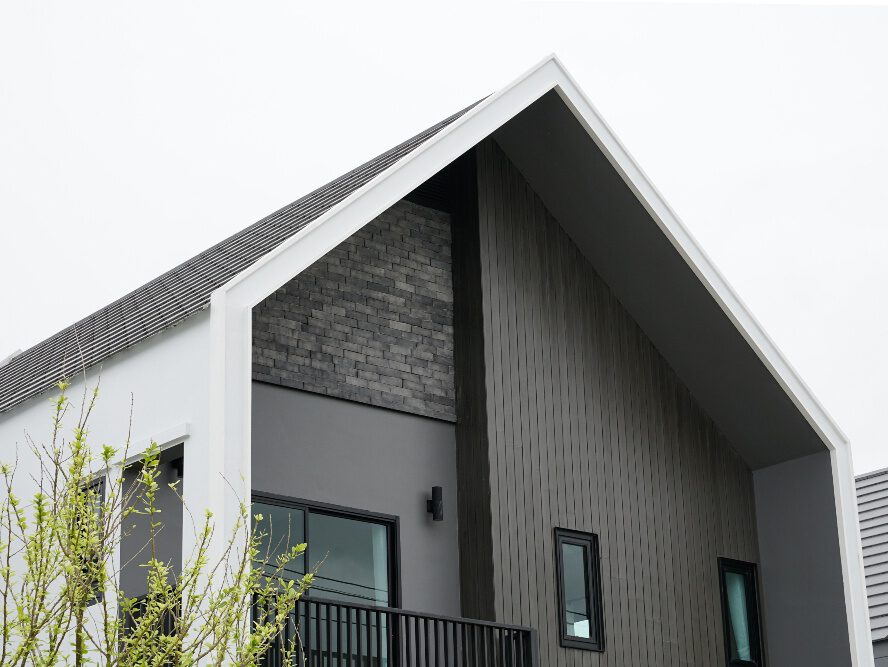
Many people think that simply turning up the AC solves the problem, but in reality, the AC only treats the symptoms. If heat keeps entering through the glass non-stop, the AC must constantly fight it. A more cost-effective method is reducing the heat from the point it enters the house: the glass surface. This is done by using architectural window films with clear energy-performance credentials.
How to Preserve Natural Light Without Taking in Heat
Modern architectural window films aren’t just for making glass dark. High-quality films like MAXXMA Nano Carbon Ceramic are designed to manage solar energy across multiple wavelengths simultaneously. Visible light can still pass through at levels that keep the house bright, while infrared rays and thermal energy are significantly reduced. The house remains airy with clear views, but is no longer as hot as before installing the film.
The 4 key values to know are: VLT (Visible Light Transmission), which is the amount of visible light passing through the film (higher means brighter); TSER (Total Solar Energy Rejected), which is the ability to reject total solar energy (higher means less AC load); SHGC (Solar Heat Gain Coefficient), the proportion of heat entering (lower is better); and IR Rejection, which is the reduction of infrared rays—a major source of heat on the glass surface.
For a Nordic home, you shouldn’t choose a film based solely on “darkness.” A film that is too dark can ruin the home’s character and force you to turn on lights during the day. A better option is a ceramic or carbon-ceramic film that offers a balanced VLT, such as 40–70%, along with high TSER. Because there’s no metal in the film, it won’t interfere with Wi-Fi, 5G, automatic gate remotes, or smart home devices inside the house.
✨ Simple Rule: High VLT + High TSER = Bright yet Cool Home
VLT tells you how bright the house remains and how clear the views are, while TSER/SHGC tells you how well the film actually reduces heat. Nordic homes should find a balance between these two values rather than always choosing the darkest film. For more on energy-saving standards, see the Label No.5 Energy Saving Film Guide.
| Property | Standard Film | Metallized Film | MAXXMA Nano Carbon Ceramic |
|---|---|---|---|
| VLT (Visible Light) | 10–25% | 15–30% | 40–70% |
| TSER (Total Heat Rejection) | 30–50% | 40–65% | 55–70%+ |
| IR Rejection | Low–Medium | 40–70% | Up to 90%+ |
| UV Protection | 90%+ | 95%+ | 99%+ |
| Wi-Fi / 5G Interference | None | Possible | No metal, zero interference |
Architectural Film Elevates Nordic Modern Style
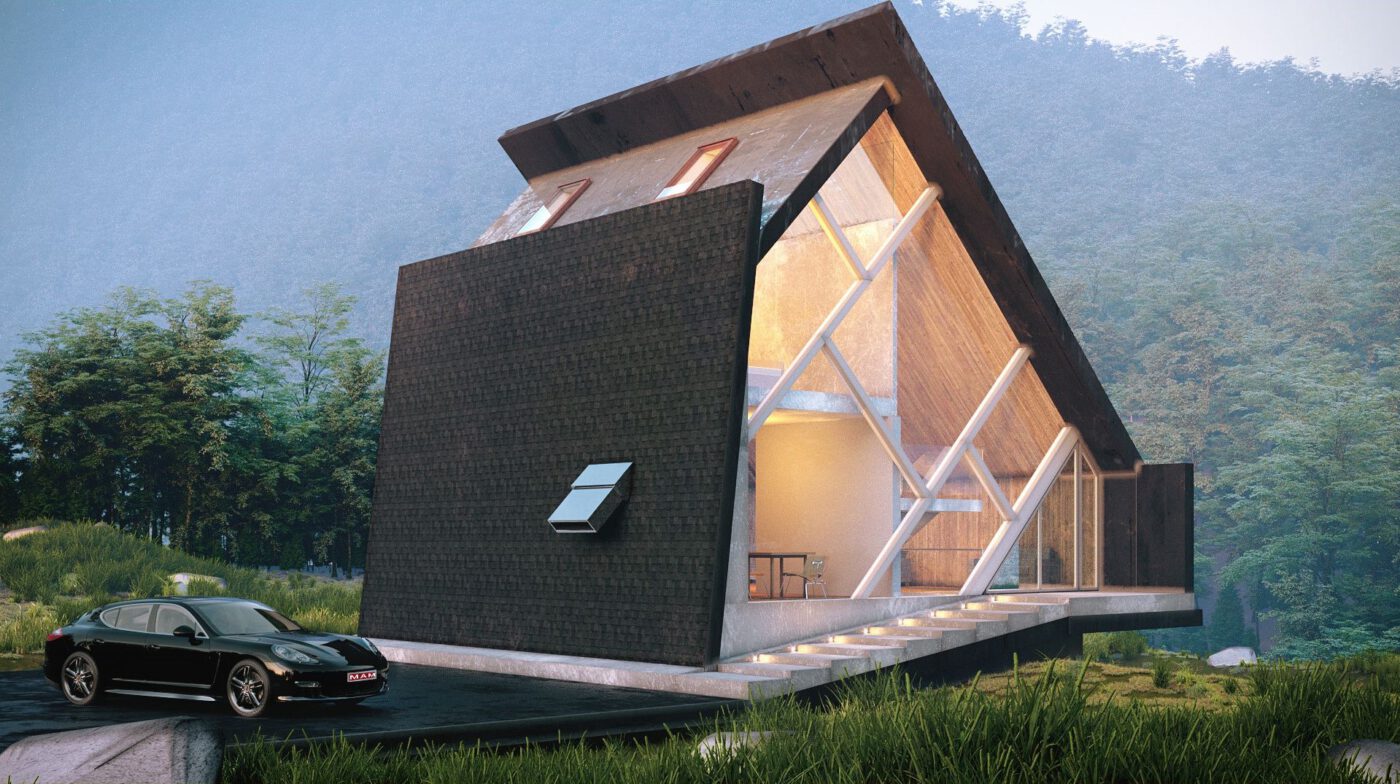
In addition to reducing heat, architectural window film helps adjust the exterior character of the house to look calmer, sleeker, and more modern. Natural-toned or light-gray films can give the glass surface depth, softly reflecting the sky and surrounding trees. This creates a Nordic Modern Style image without making the house look too dark or rigid.
Another benefit homeowners often overlook is the protection of interior furniture and materials. UV rays are a major cause of fading colors, dull wood floors, brittle curtains, and degrading artwork. A film that blocks 99%+ of UV isn’t just about coolness; it’s about extending the lifespan of the entire house. This is especially true for Nordic homes that use natural materials, which are more sensitive to light than synthetic ones.
If you live in a condo or a home with a beautiful view, this same principle applies. You can read more in the article Condo Window Film — Choosing a Film That’s Cool, Elegant, and Juristic-Approved to see guidelines on choosing films that preserve the view and don’t drastically alter the building’s appearance.
Window Film Selection Checklist for Nordic Homes
Calculating Value and Electricity Savings
Assume a Nordic home has a main glass area of 30 square meters facing the afternoon sun continuously for 4–5 hours a day. Before installing film, the homeowner has to turn on the AC as soon as the indoor temperature starts building up. The air conditioner works harder due to both the heat rays passing through the glass and the heat accumulated on the floors and furniture. If a film can reduce total solar energy by 55–70%, the cooling load on the AC drops significantly—especially from afternoon to evening when electricity bills tend to spike.
Actual savings depend on many factors, such as glass size, sun direction, AC BTU capacity, hours of use, roof insulation, and curtain usage habits. However, from experience, homes with lots of glass often see a potential electricity bill reduction of about 15–30% per month when using the right film and installing it on all primary hot spots. Additionally, there are benefits that are hard to price: the house is more comfortable, curtains can remain open longer, furniture degrades slower, and you don’t need to unnecessarily upgrade to a larger AC.
For a deep dive into the break-even point, see the Thai article Is Architectural Window Film Worth It?, which explains how to view long-term ROI and the factors that make film installation pay for itself faster.
How is MAXXMA Different from Regular Shops?
MAXXMA provides consultations considering both design and performance, not just selling film based solely on darkness. Our team helps evaluate sun direction, glass characteristics, lighting needs, views, privacy, and budget to recommend the model that actually suits your home. Examples include the Nano Carbon Ceramic Series for large-glass homes needing coolness and clarity, or Nano Ceramic Independent Plus for those prioritizing UV Protection and eye comfort.
- Free consultation and price estimation with no hidden costs.
- A wide variety of films for homes, condos, office buildings, safety films, and decorative films.
- Film samples and testing equipment available on-site before making a decision.
- Expert technicians specializing in large glass panes, residential homes, and building installations.
- Quality warranties and verifiable after-sales service.
Frequently Asked Questions (FAQ)
How is a Nordic style home different from a standard modern home?
Will ceramic film make the house too dark?
Is ceramic film suitable for smart homes?
Does architectural window film really help reduce electricity bills?
Interested in Installing Architectural Window Film for Your Nordic Home?
Get free consultation from MAXXMA experts, along with recommendations for the film model that best suits your sun direction, glass size, and home design.
Ready to protect your home or vehicle?
Consult with MAXXMA experts to select the perfect film for your needs, or find an authorized dealer near you.