
Executive Summary: PPF and Ceramic Coating Serve Different Roles
When deciding between Paint Protection Film (PPF) and Ceramic Coating, the real question is not “which one is better,” but rather “what specific threat are you protecting against?”
PPF is a thick, transparent elastomeric film applied directly over painted panels to absorb mechanical impacts, rock chips, and friction scratches. Ceramic coating, on the other hand, is a liquid polymer layer that chemically bonds to clear coat or film to impart deep gloss, extreme hydrophobicity, and effortless washability. Because they operate on different principles, they are not direct substitutes, and many vehicle owners combine them strategically.

Physical Impact and Abrasion Defense
Engineered for bumpers, hoods, side mirrors, door cups, rocker panels, and high-impact areas vulnerable to road chips and daily wear.
Surface Chemistry and Gloss Enhancement
Ideal for drivers seeking mirror-like reflections, hydrophobic water shedding, and easy maintenance, but not designed to stop flying stones.
Layered Protection: Physical Armor vs. Surface Modification
The simplest way to visualize vehicle protection is as a multi-tier system: the metal panel and factory clear coat form the foundation, PPF adds a resilient shock-absorbing cushion, and a ceramic layer provides a hydrophobic surface barrier. A sound protection plan begins by assigning the right solution to the right panel.
Scroll to Inspect the Vehicle Paint Protection Architecture
On desktop displays, this interactive model demonstrates how protection layers stack upon the vehicle body. Mobile devices and visitors with reduced-motion settings see a clear CSS diagram.
Decision Matrix: Matching Solutions to Real-World Needs
| Primary Objective | Paint Protection Film (PPF) | Ceramic Coating |
|---|---|---|
| Preventing stone chips, road debris impacts, and deep scratches | Primary choice: thick elastomeric film absorbs and redistributes kinetic energy | Provides no physical impact absorption against stones or heavy abrasions |
| Enhancing gloss, water beading, and simplifying routine washing | Modern TPU films offer hydrophobic topcoats, but physical protection remains the core focus | Primary choice: delivers maximum hydrophobic slickness and brilliant depth of gloss |
| Safeguarding brand-new vehicles from day one | Essential for high-impact zones or full-body coverage based on highway driving habits | Excellent comprehensive finish, often applied across remaining panels or over PPF |
| Urban driving, condo parking, frequent tight maneuvering | Ideal for partial coverage on door edges, door cups, mirror caps, and bumper corners | Helps prevent light environmental spotting and simplifies grime removal |
| Prior to making a financial commitment | Inspect pattern templates, edge-tucking craftsmanship, and warranty documentation | Clarify paint correction stages, actual coating layers applied, and maintenance obligations |
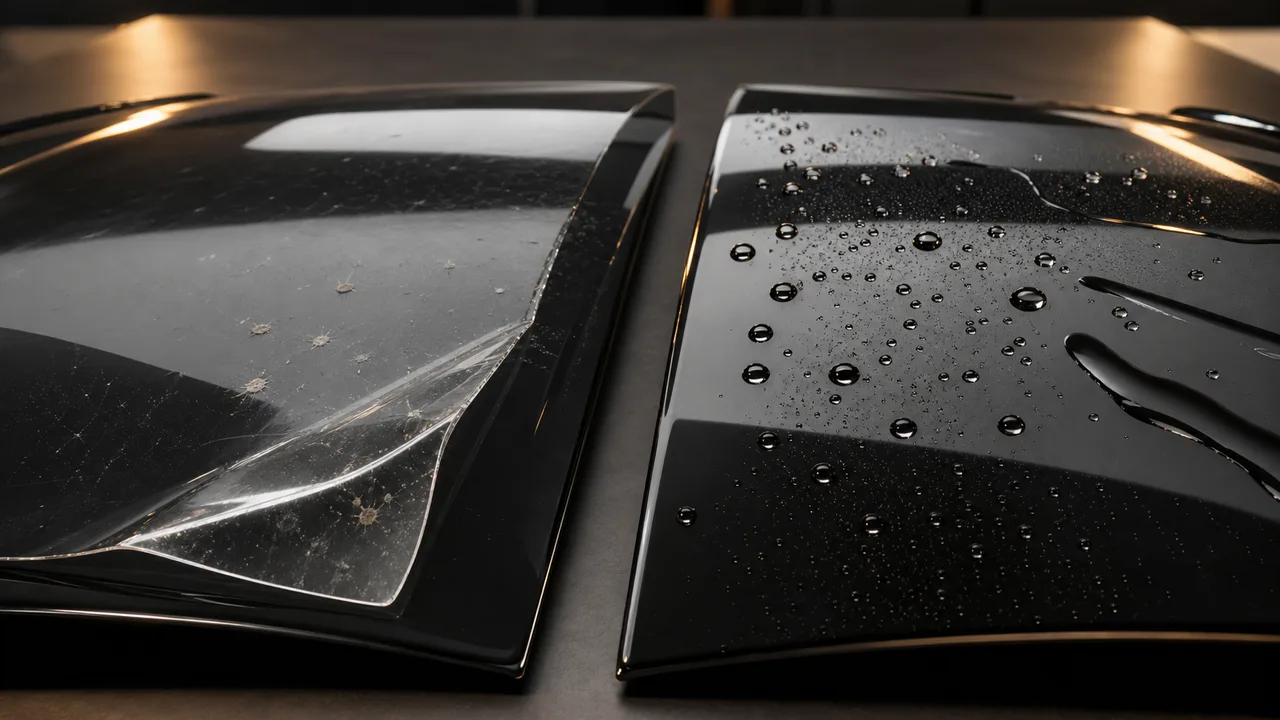
Understanding Each Layer: Impact Absorption vs. Effortless Cleaning
MAXXMA automotive films include the Clear Guard series, manufactured from premium Aliphatic TPU. Key attributes include high optical transparency, flexible elongation, heat-activated self-healing for shallow swirl marks, and hydrophobic topcoats. In this context, PPF is defined as a durable physical membrane applied onto vehicle panels, not a spray-on chemical coating.
Ceramic coatings operate through liquid nanostructures (primarily SiO2 silicon dioxide or polysilazanes) that cure into a glass-like network over the clear coat. True performance varies widely across formulations, paint preparation standards, and technician skill. Always request detailed specification sheets from your installer before proceeding.
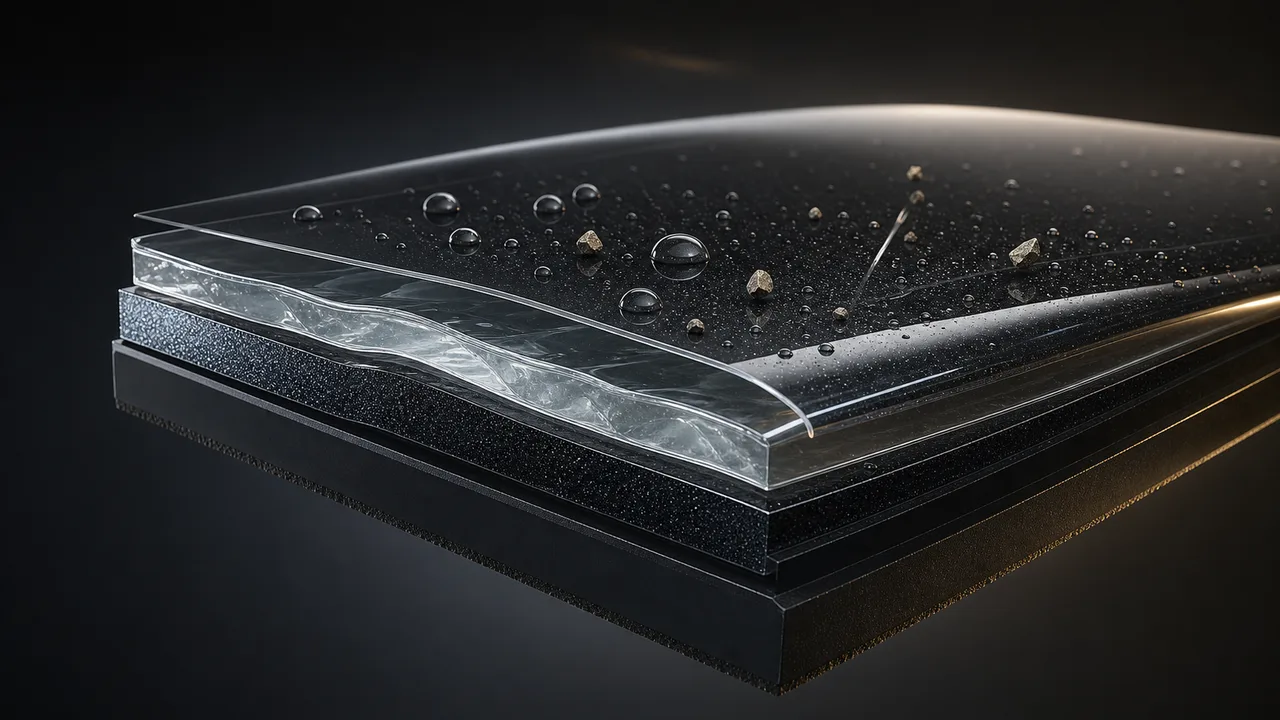
Choose PPF When Paint Scratches Are Your Primary Worry
High-speed highway commuting, flying gravel, recurring door-edge contact, or transporting pets and luggage all warrant physical film protection on exposed surfaces.
Choose Ceramic When Effortless Maintenance Is Your Priority
If you desire deep, wet reflections, quick washdowns, and resistance against light environmental stains, ceramic coating delivers excellent daily usability.
Combine Both Through Coordinated Planning
A smart hybrid setup installs PPF on front impact zones (bumper, hood, mirrors) and coats the remaining body panels, ensuring cohesive appearance and optimal value.
Coverage Strategy: You Do Not Have to Wrap the Entire Car
Many car owners find decision-making straightforward when assessing their car by risk zones rather than all-or-nothing packages. Key vulnerable zones to discuss with an installer include the front bumper, entire hood, front fenders, side mirror caps, door edges, door handle cups, and rear luggage loading sills.
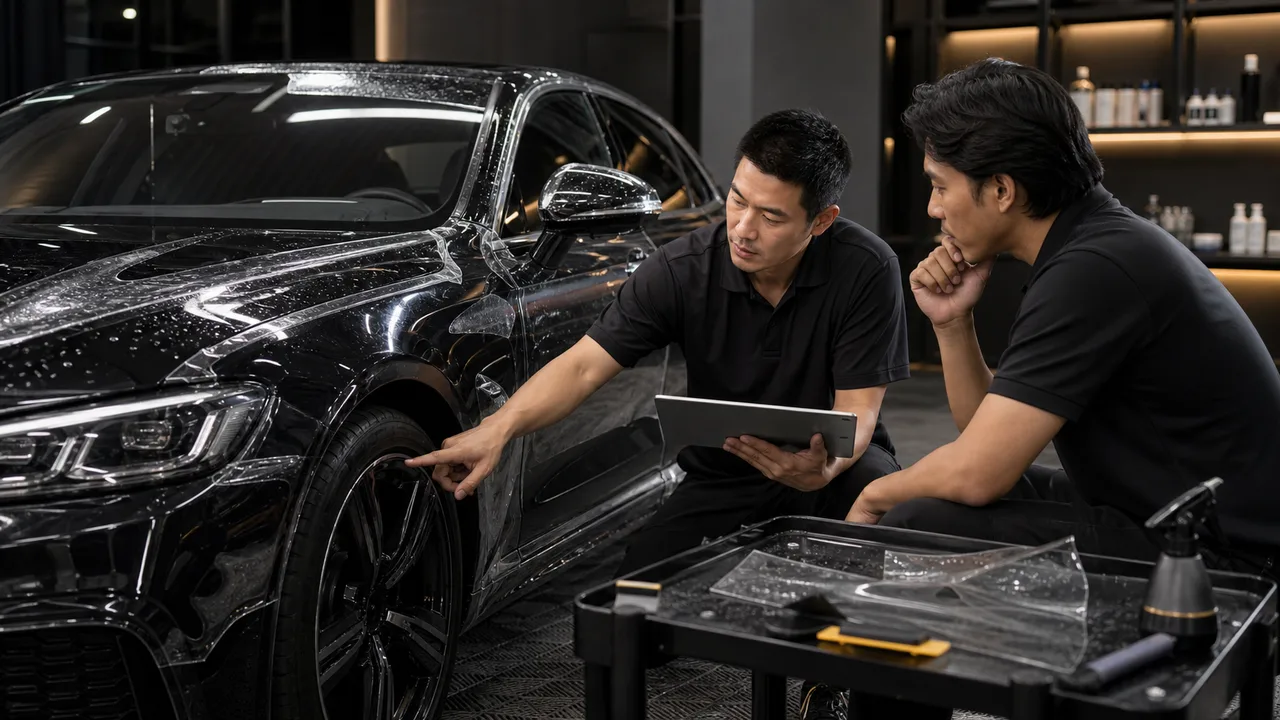
- Identify Your Risk Profile: Highway commuting, city commuting, family transport, or collector vehicle preservation.
- Map Impact Zones: Front clip, door edges, luggage threshold, or panoramic glass roof.
- Assign Functions: Apply PPF to high-impact surfaces and ceramic coating to low-impact panels for overall ease of cleaning.
- Review Physical Work Samples: Inspect edge wrapping, template seam alignment, surface clarity, and post-installation care terms.
- Confirm Documentation: Secure written quotation terms, warranty coverage guidelines, and maintenance schedules prior to work.
Crucial Misconceptions to Clarify Before Investing
“Ceramic coating prevents rock chips just like PPF”
This is a dangerous misconception. At just 1 to 2 microns thick, ceramic coating lacks the physical mass and elasticity required to deflect flying gravel.
“PPF requires zero maintenance once installed”
Film still requires gentle wash techniques, proper decontamination, and periodic inspections, especially along wrapped edges and seams.
“You must pick exclusively one or the other”
Not at all. Hybrid installations with PPF on high-risk front surfaces and ceramic coatings on doors, roof, and rear panels provide excellent cost-to-benefit balance.
Maximizing Your Investment: Care After Protection Work
Following PPF installation or ceramic coating application, always confirm recommended curing periods, approved car wash soaps, prohibited chemicals, and follow-up inspection appointments with your service center. Specific curing windows depend on adhesive chemistry, ambient humidity, and shop climate controls.
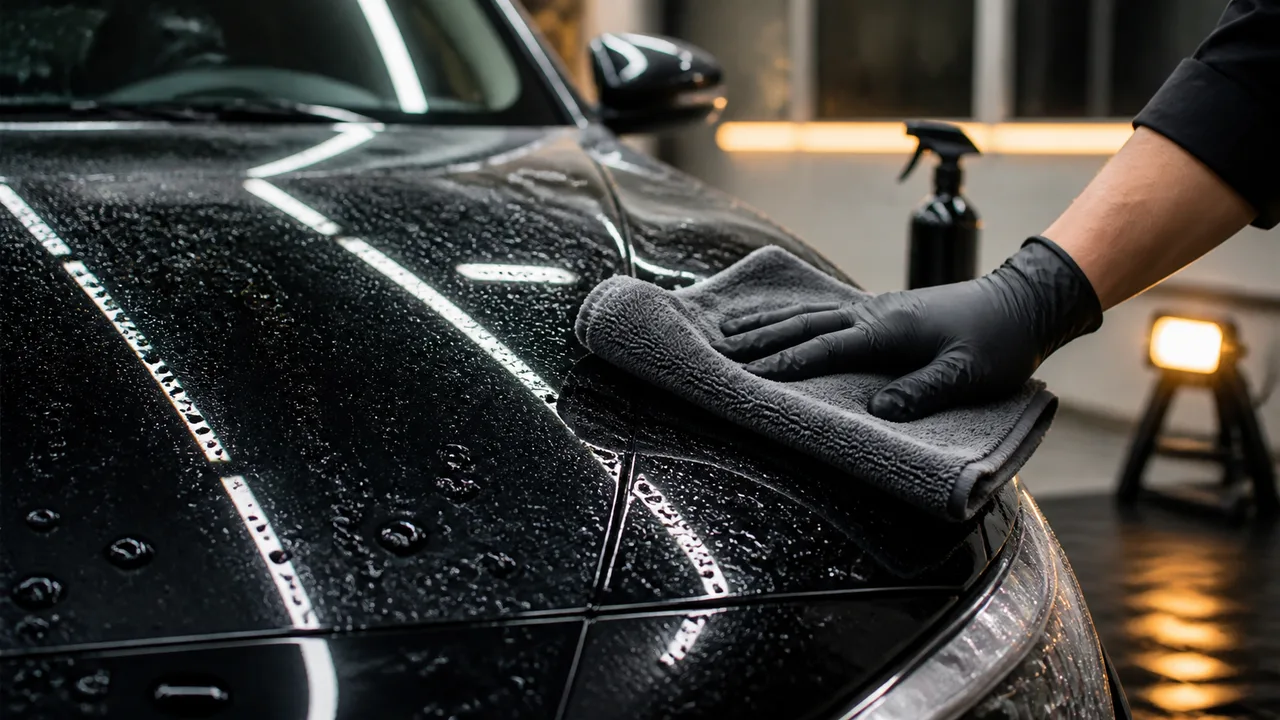
- 1Document paint condition with high-resolution photos before installation begins.
- 2Inquire which panels use precision pre-cut digital patterns versus custom wrapped edges.
- 3Obtain written aftercare guidelines covering initial wash waiting times and approved shampoos.
- 4Compare written proposals based on actual panel coverage rather than marketing tier labels.
Final Recommendation: Choose by Threat Level, Not Trends
If your primary goal is shielding paint from flying gravel, shopping cart dings, and daily friction marks, begin your consultation with PPF. If your priority is effortless washing, deep reflections, and hydrophobic surface slickness, begin with ceramic coating. If you want the strengths of both, ask your certified installer to design a coordinated hybrid protection plan.
To explore MAXXMA protective solutions, review our Clear Guard PPF Overview, consult the dedicated PPF vs Ceramic Service Guide, compare Full Body Packages against Partial Protection Packages, or contact Authorized Dealers Near You for a personalized recommendation.
Information Scope
Pricing, warranty terms, and service procedures depend on specific vehicle models, paint condition, selected film grades, and authorized center policies. This article serves as an educational decision framework and does not constitute a formal binding quote.
Frequently Asked Questions About PPF and Ceramic Coatings
Should PPF or Ceramic Coating be applied first?
PPF must always be installed first directly onto properly prepared clear coat. Ceramic coating should only be applied over top of cured PPF or across unfilmed panels. Applying PPF over an existing ceramic coating can cause adhesion failure and edge lifting.
If working with a limited budget, which should I prioritize?
Focus on your greatest exposure risk. If you drive frequently on highways, invest in a partial front-clip PPF package for the bumper and hood. If you prioritize gloss and easy washing in low-risk urban driving, a ceramic coating package provides strong value.
Does PPF alter the vehicle appearance or create visible seams?
Premium TPU films are optically clear and preserve factory color fidelity. Visibility of seams depends on installation skill, edge wrapping techniques, and whether digital pre-cut kits or custom hand-trimmed installations are utilized.
Is Ceramic Coating still helpful after installing PPF?
Yes. While Clear Guard PPF features a hydrophobic topcoat, applying a ceramic coating formulated for film enhances self-cleaning characteristics and provides seamless water-shedding performance across both filmed and unfilmed panels.
Ready to protect your home or vehicle?
Consult with MAXXMA experts to select the perfect film for your needs, or find an authorized dealer near you.