
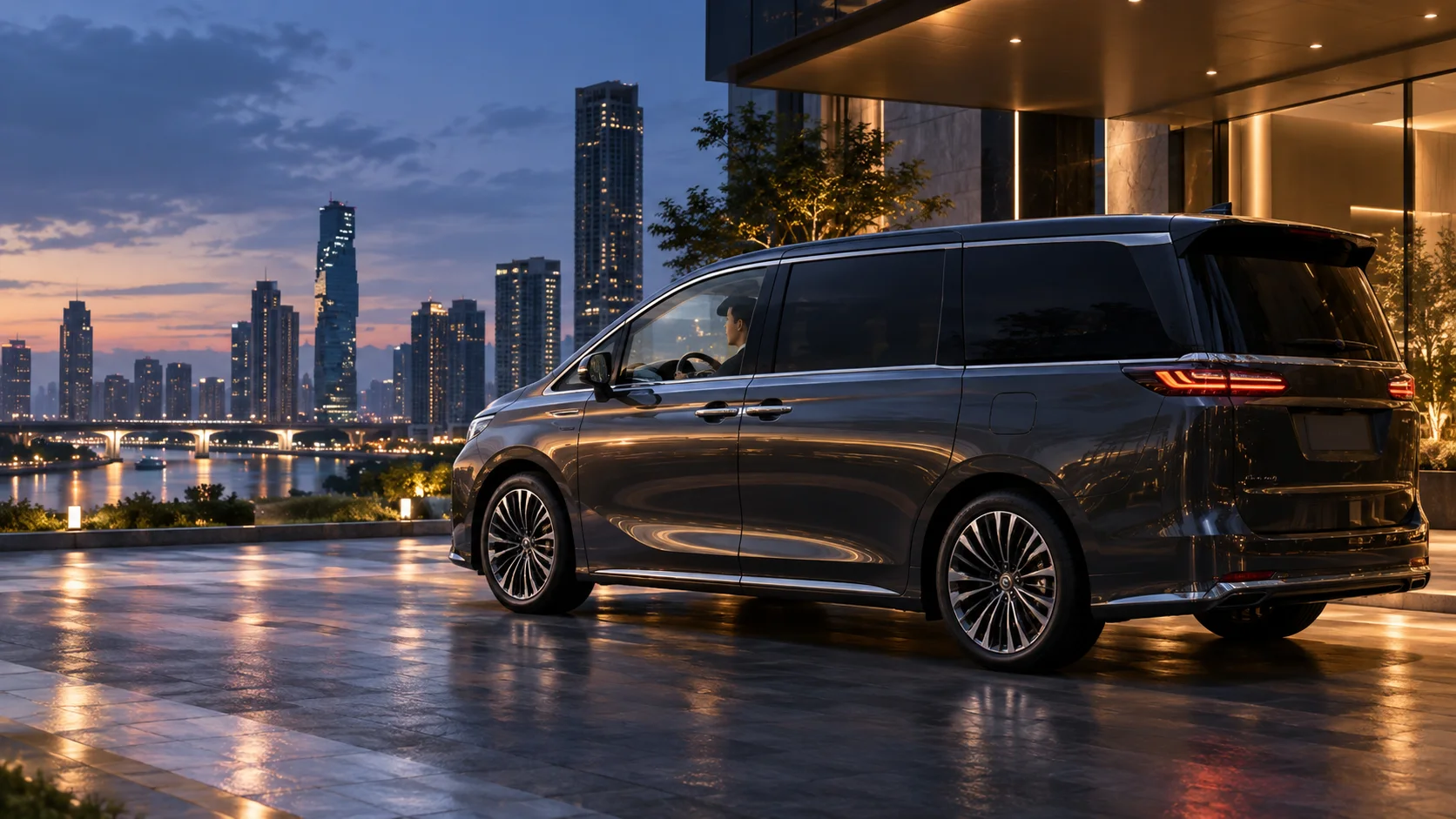
Short answer: Privacy Glass gives factory privacy, but it is not a complete answer for heat control or visibility. A thoughtful film choice starts by understanding the glass already on the car, then choosing comfort that still feels confident after dark.
A good car should feel like a private place that makes every journey lighter. It should not become so dark that confidence fades with visibility. Factory-darkened rear glass therefore opens a more useful question than simply, “Should I add film?”
Some vehicles suit a clear film that manages light and solar heat without adding darkness. Some need more privacy for passengers. Some windows deserve a pause before anything is layered over them, because stacked darkness can make low-light visibility harder than expected. The colour seen from outside is a first impression, not a technical answer.
This guide separates privacy from performance, helps you inspect each window, and supports a film choice that keeps the cabin comfortable at every hour of the day.
QUICK ANSWERWhat Privacy Glass is, and what it does not tell you
Privacy Glass is factory glass designed to reduce the view into the cabin from outside. It commonly appears on rear doors, second- and third-row windows, and the rear windscreen. It gives many vehicles a sense of privacy from day one.
The term Privacy Glass is not, however, a certification of VLT, UV, IR, or TSER performance. Nor does it mean every pane on a vehicle has the same construction. Front windows serve outward visibility. Rear glass supports privacy. A glass roof may use a different construction and coating altogether. A precise film recommendation begins by recognising those differences.
Keep these terms separate:
- Privacy Glass describes factory privacy treatment at the manufacturer-specified window positions.
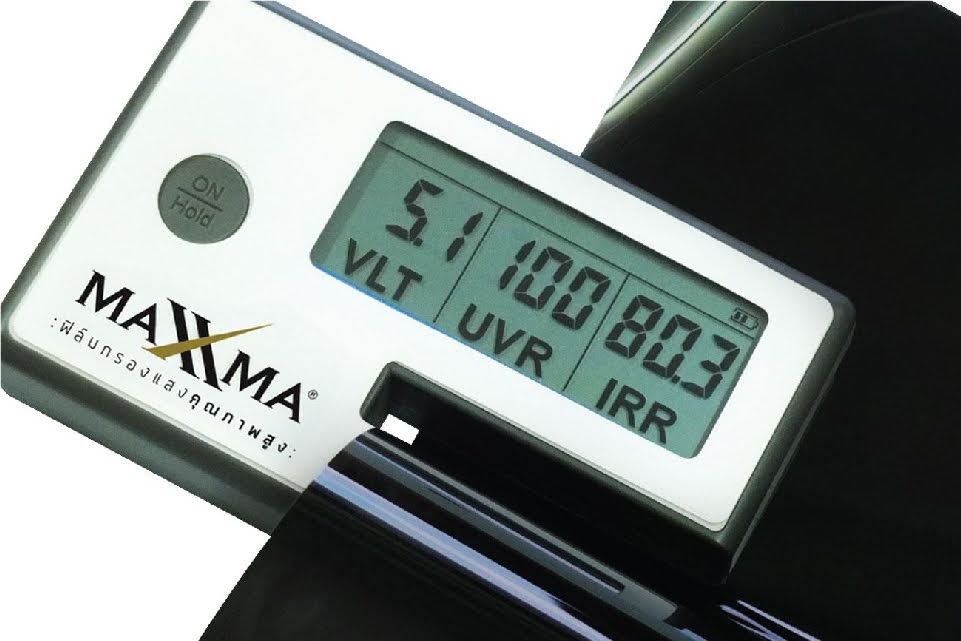
- VLT is the proportion of visible light transmitted through glass, or through the combined glass-and-film system. A lower number means a darker view through the window.
- UV transmission and IR transmission describe transmission in specific wavelength ranges. The wavelength range and test method still matter.
- TSER estimates total solar energy rejected under the stated test method. Figures from different methods should not be compared as if they were identical.
Once film is added, the driver experiences the combined result of the original glass and the film, not the film alone. A careful installer should explain the measurement position, method, and expected outcome before you choose.
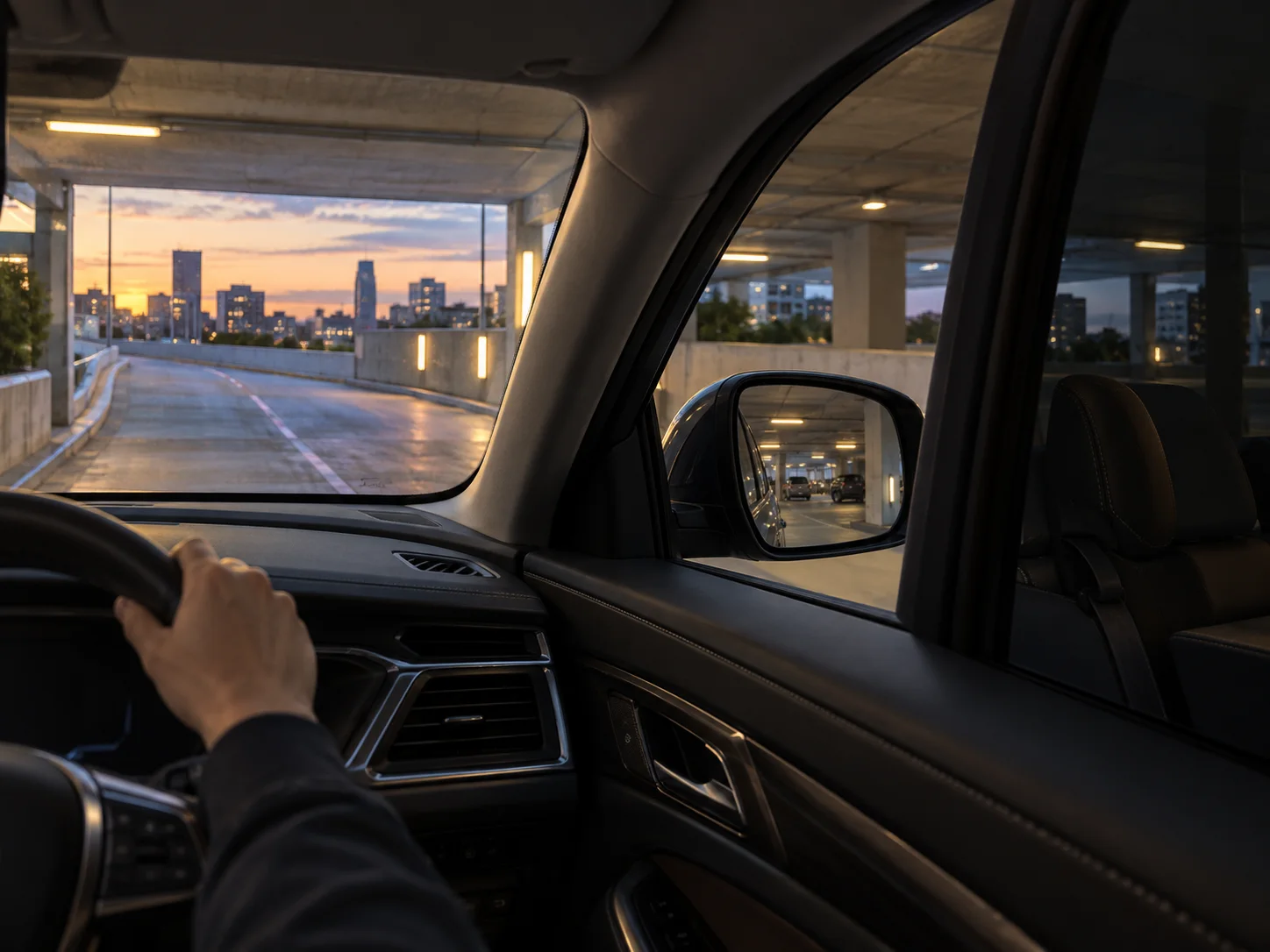
A review in the Journal of the American Academy of Dermatology explains that the radiation protection of glass depends on its type, colour, laminate, and coatings, rather than darkness alone. Tuchinda, Srivannaboon and Lim, 2006 This is why two cars with similarly dark-looking glass can perform differently for light and heat.
Five steps to a recommendation that fits your car
1of 5 steps
Open one step at a time, then turn uncertainty into an informed conversation with your installer.
Start with the car you already own
Map each window position
Note which panes are Privacy Glass and which use another type of glass. One vehicle can have several needs, so one answer should not be applied to the whole car.
Ask: Which windows need privacy, and which need visibility first?
Turn an impression into a checkable value
Measure actual transmitted light
Ask the installer to measure VLT with a suitable light-transmission meter and state the measurement point. Glass colour by eye is not a measurement result.
Ask: Was this value measured on this original pane, or taken from model information?
Choose the feeling you want every day
Set the main goal
Decide what you want to feel when you close the door before comparing films. For more comfort, solar-control performance may be more relevant than simply adding darkness.
Ask: Is the priority glare reduction, heat management, or more privacy?
Decide from the combined glass-and-film result
Check the total outcome
Ask for the expected post-installation result by window, and whether each figure comes from a measurement or product information.
Ask: How will the front and rear windows differ after installation?
Let real driving have the final word
Try the view at night
Sit in the driver’s position under low light. Check parking buildings, unlit roads, reversing, side mirrors, rear glass, and cameras before confirming the darkness level.
Ask: Do the mirrors, rear window, and camera still make you feel confident?
Current Thailand models that list Privacy Glass
This table includes models for which the term Privacy Glass appears in a Thai manufacturer specification or distributor information, and which had current Thai-market information on 25 September 2026. It is not a complete list of every brand. It is designed to help you ask the right questions about your own car. Equipment can change by production year or update, so check the vehicle documentation before ordering film or booking installation.
| Model and year | Thai-market grade | Listed position | Source |
|---|---|---|---|
| Toyota Alphard HEV, 2026 model year | HEV Smart, HEV Premium, HEV Premium Luxury | Rear door windows | Toyota Thailand |
| Toyota Vellfire HEV, 2026 model year | HEV Premium | Rear door windows | Toyota Thailand |
| XPENG New G6, 2026 model year | Standard Range, Long Range, AWD Performance | Rear door windows and rear windscreen | XPENG Thailand specification |
| XPENG New X9, 2026 model year | Premium, Executive, Luxury AWD | Second-row, third-row, and rear windscreen | XPENG Thailand specification |
Toyota Alphard HEV
2026 model yearGrades: HEV Smart, HEV Premium, HEV Premium Luxury
Listed position: Rear door windows
Check Toyota ThailandToyota Vellfire HEV
2026 model yearGrade: HEV Premium
Listed position: Rear door windows
Check Toyota ThailandXPENG New G6
2026 model yearGrades: Standard Range, Long Range, AWD Performance
Listed position: Rear door windows and rear windscreen
Open XPENG Thailand specificationXPENG New X9
2026 model yearGrades: Premium, Executive, Luxury AWD
Listed position: Second-row, third-row, and rear windscreen
Open XPENG Thailand specificationEvery image in this slider is an original explanatory illustration of window position and use. It is not an official Toyota or XPENG image and does not verify the appearance or grade of a vehicle. The manufacturer links provide the evidence for listed grades and window positions.
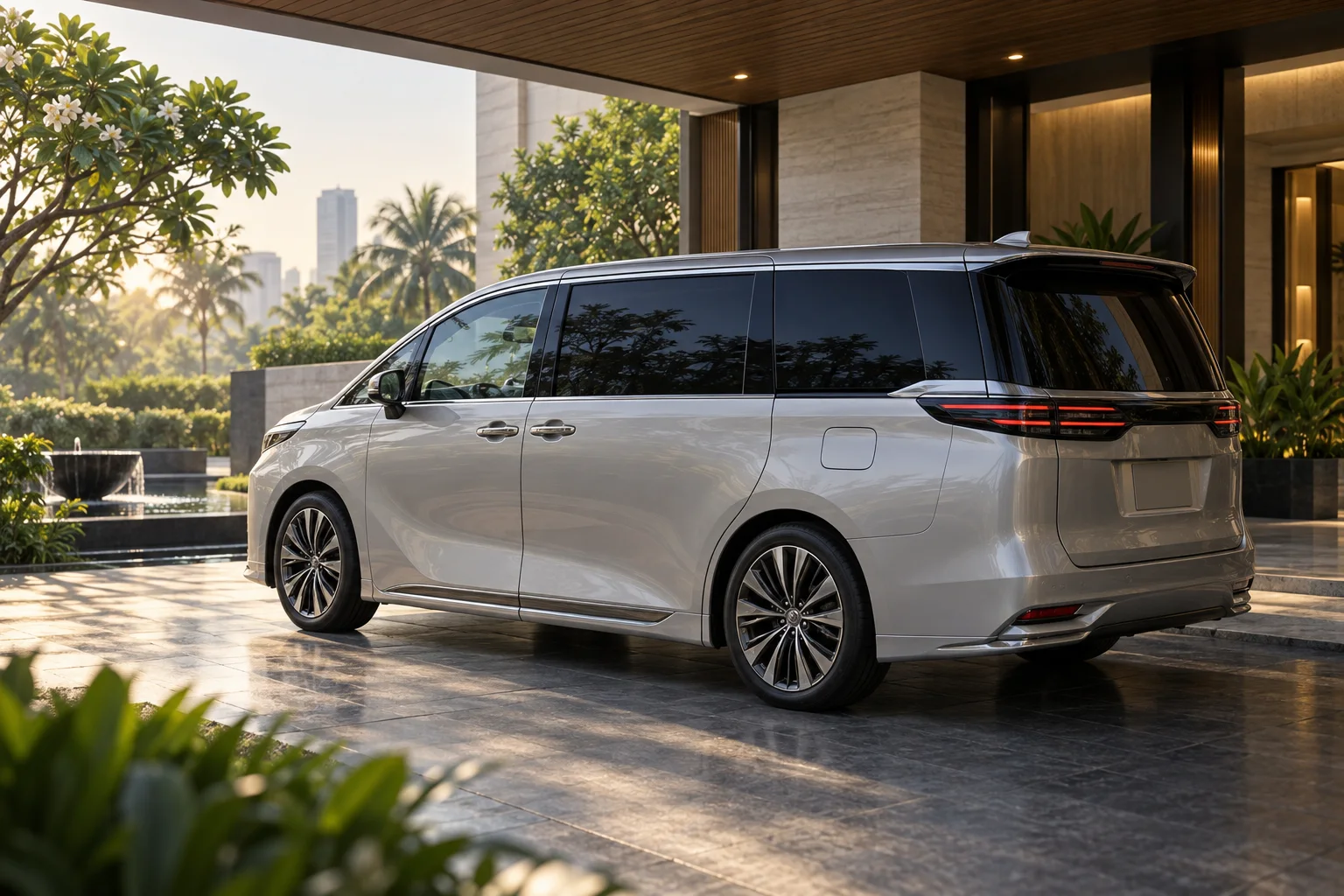
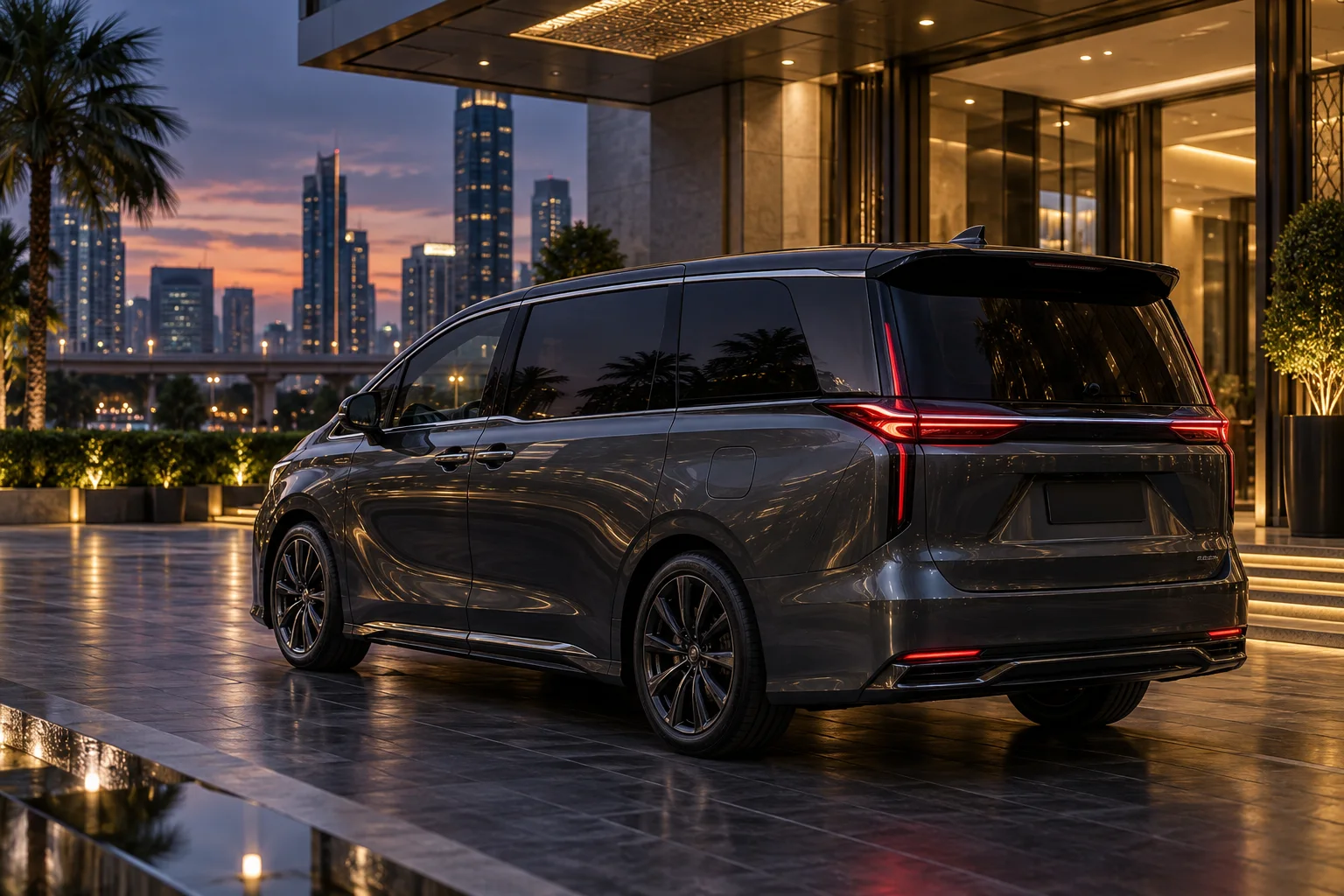
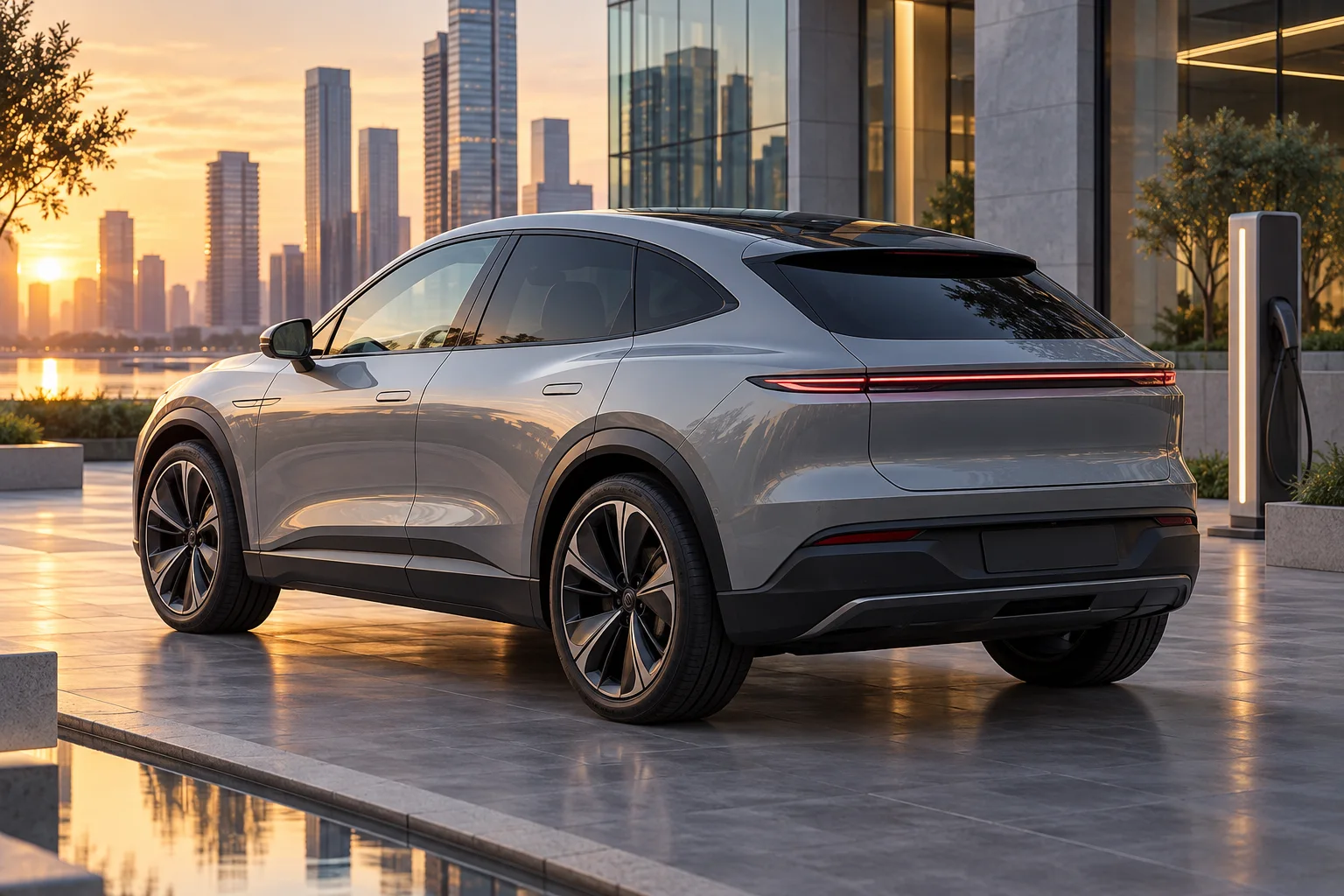

Toyota lists current Alphard and Vellfire grades on its Thai site. Equipment information for HEV Smart lists Privacy Glass for the rear door windows, while Premium, Premium Luxury, and Vellfire HEV Premium add equipment from that grade. Current Toyota grades and Alphard and Vellfire equipment details
The XPENG G6 specification lists Rear Door Window/Windshield Privacy Glass for Standard Range, Long Range, and AWD Performance. G6 specification The New X9 offered in Thailand includes Premium, Executive, and Luxury AWD grades; its specification lists Privacy Glass for the second row, third row, and rear windscreen. X9 launch information and X9 specification
The table only reports window positions listed in the documents. It is not a certificate of heat rejection or light transmission for each pane. Good information helps you ask the next question precisely rather than reach a conclusion from one label.
SCIENCE CHECKFactory-dark glass does not always reject enough heat
The darkness your eye sees and the solar energy entering a cabin are related, but they are not the same measurement. Solar radiation includes visible light, ultraviolet, and infrared energy. A darker-looking rear window may increase privacy, while its overall solar-control performance still depends on its glass construction, coatings, and the conditions used to measure it.
For that reason, ask the installer to distinguish VLT from solar-control data. Ask which pane was measured, how the value was obtained, and whether the post-installation figure is a direct measurement or a product estimate. This protects a simple decision from turning into a guess.
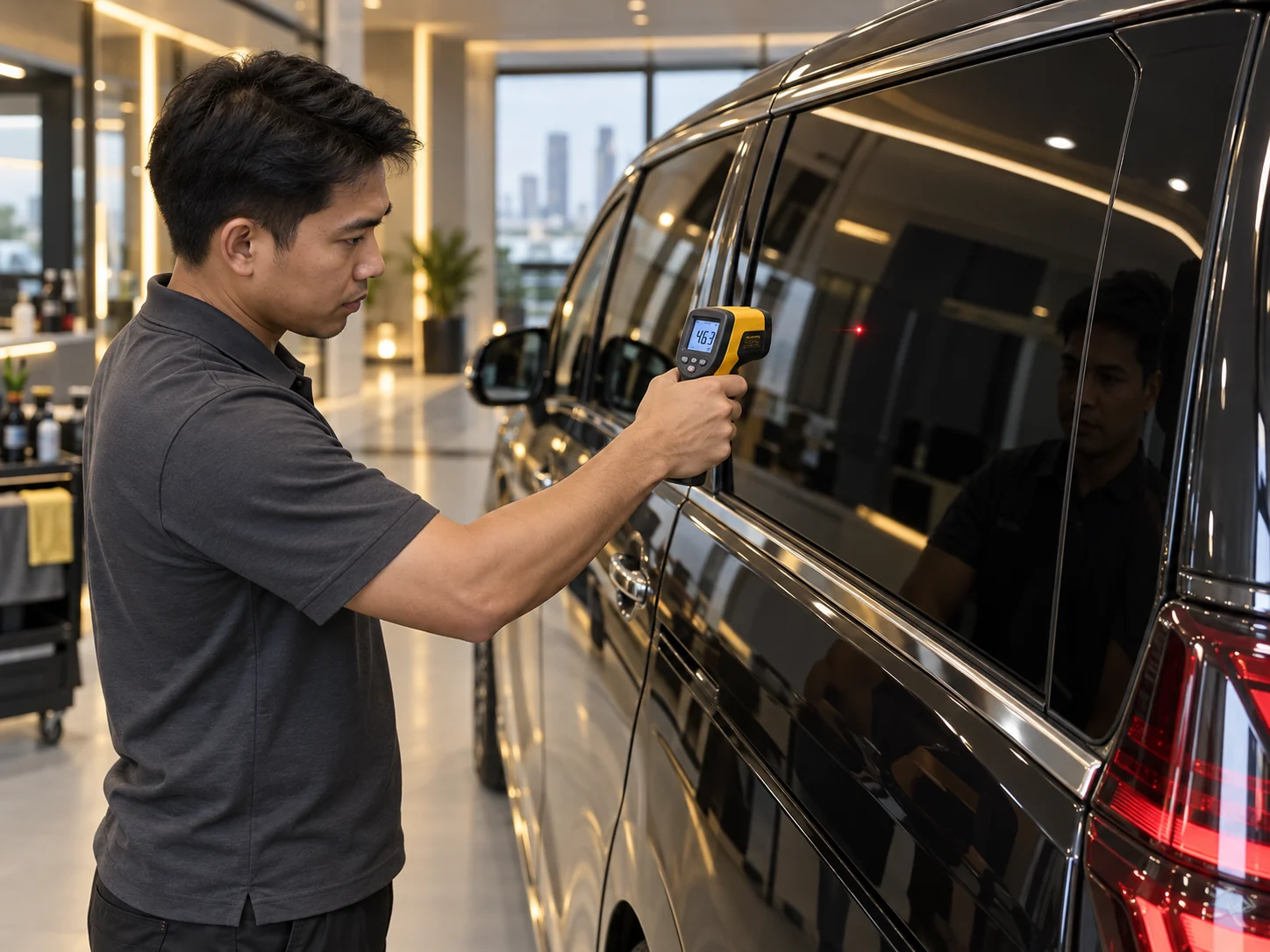
A study of vehicle glazing and thermal load notes that glass can affect cabin temperature and air-conditioning demand. The exact result depends on vehicle design, climate, and test method. Suengkerdpongthanan, Juasiripukdee and Ruchayosyothin, 2023 Use this as a reason to seek measured information, not as a promise for every vehicle.
MYTH CHECKThree assumptions that can lead to the wrong film choice
Assumption: Privacy Glass already solves heat, so there is nothing left to check.
Privacy Glass describes privacy at the listed position. It does not replace tested heat or radiation data for every pane on the car. A vehicle can look dark outside while the cabin question still needs better information.
Assumption: Darker film is better for everyone.
More darkness can add privacy, but it can also reduce visibility when you need side mirrors, the rear window, or a reversing camera. One person’s comfort can be another person’s concern, especially when their routes and driving hours differ.
Assumption: The same film across every window is always easiest.
A car that already has Privacy Glass at the rear may benefit from a film plan by position. The front can retain clear visibility while the passenger area receives the amount of privacy it actually needs. It takes more thought, but it makes the result more personal.
EV USE CASEWhat EV owners should check in addition
Many EVs use broad glazed areas and may have a glass roof, making the cabin feel open and pleasant. That also calls for a more careful approach to light. Always separate the question of side glass from the question of the roof. Privacy Glass at the rear does not describe the performance of a glass roof.
Automotive solar-control glazing research indicates that glazing can affect cabin temperature, air-conditioning load, and in an electric vehicle the energy used for climate control. The real outcome still depends on vehicle design, climate, and test method, so it is a reason to request information and try the result, not a range claim. SAE 2013-01-0553
For a vehicle with a glass roof, assess it separately from side Privacy Glass and ask whether the chosen film is suitable for that particular glass. An unsuitable product or installation method can create thermal stress, so darkness should never be the only decision criterion.
ACTION PLANBefore visiting an installer: a 60-second checklist
- Note the model, year, grade, and every Privacy Glass window position.
- Tell the installer how often you drive at night, park in buildings, or travel long distances.
- Name one main goal first: reduce glare, manage heat, or add privacy.
- Ask for original-glass measurements and a pane-by-pane explanation of the result after installation.
- Sit in the driver’s seat and inspect side mirrors and rear glass in low light before deciding.
If you are comparing film options, begin with MAXXMA automotive film and bring your vehicle details and original-glass results to a specialist. You can also locate service through the Dealer Finder. A car you value deserves advice that fits the way you live, not one answer applied to every vehicle.
Measurement steps before and after installation
Before installation, record the model, production year, grade, and glass type from the vehicle manual or documentation. Then measure the original glass at every position planned for film. If panes differ, do not let one window’s value stand in for another. Small details are where outcomes change.
After installation, sit in the driver’s position and check side mirrors and the rear windscreen in daylight and low light. Try reversing in a safe area. If visibility feels uncertain, tell the installer before accepting the vehicle. Good installation does not end when film lies flat. It ends when you feel like yourself behind the wheel.
Frequently asked questions about Privacy Glass
01Is Privacy Glass factory film?
The term usually refers to factory glass that reduces the view in from outside at listed positions. It can create useful privacy, but it should not be treated as added film or as equivalent to every type of window film.
02Can I add film when my car already has Privacy Glass?
It can be considered once the installer has checked the glass type and assessed the combined result of the original glass and new film, especially for night visibility and reversing-camera use. A good answer is not always more darkness. It is the level that suits your everyday driving.
03Do all Privacy Glass vehicles block UV and heat equally?
Do not assume that they do. Construction, colour, thickness, and coatings vary by vehicle. Privacy Glass is not a standard test result that compares directly between cars, so actual information should lead the decision every time.
04Does every model in the table need extra film?
No. The table only confirms that documents list Privacy Glass at the stated positions. The right choice depends on the vehicle information, your use case, and the driver’s confidence in the view.
05Should the result be measured again after film installation?
Ask for post-installation information so you understand the combined glass-and-film outcome. Also try the view from the driver’s position in daytime and at night, and keep the film model and window positions for future reference.
References
- Toyota Thailand: current Alphard and Vellfire grades
- Toyota Bangkok: Alphard and Vellfire equipment details
- XPENG Thailand: G6 specification
- XPENG Thailand: The New X9 and X9 specification, X9 PDF
- Tuchinda C, Srivannaboon S, Lim HW. 2006
- AlQahtani NJ et al. 2024
- Suengkerdpongthanan P, Juasiripukdee P, Ruchayosyothin S. 2023
- SAE 2013-01-0553
Ready to protect your home or vehicle?
Consult with MAXXMA experts to select the perfect film for your needs, or find an authorized dealer near you.