

01: The High-Rise Paradox: Why Upper-Floor Condos Suffer Extreme Heat Compared to Ground-Level Homes
Moving into an upper-floor condominium is often celebrated as the ultimate urban lifestyle upgrade: dramatic natural light, elevated privacy, and panoramic vistas stretching across the city skyline. Yet for residents in south-facing and west-facing units, that dream often collides with an exhausting reality: oppressive, lingering heat that builds from midday and refuses to dissipate well into the night.
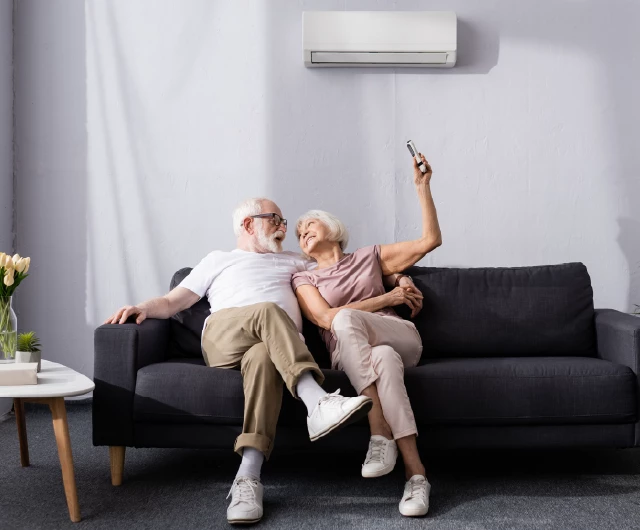
Even with multi-split inverter air conditioners running continuously at low setpoints, the glass panels and surrounding structural columns continue to radiate intense thermal energy into the living room and bedrooms. This phenomenon is known as the Condominium Heat Trap, an engineered thermal consequence of modern high-rise architecture.
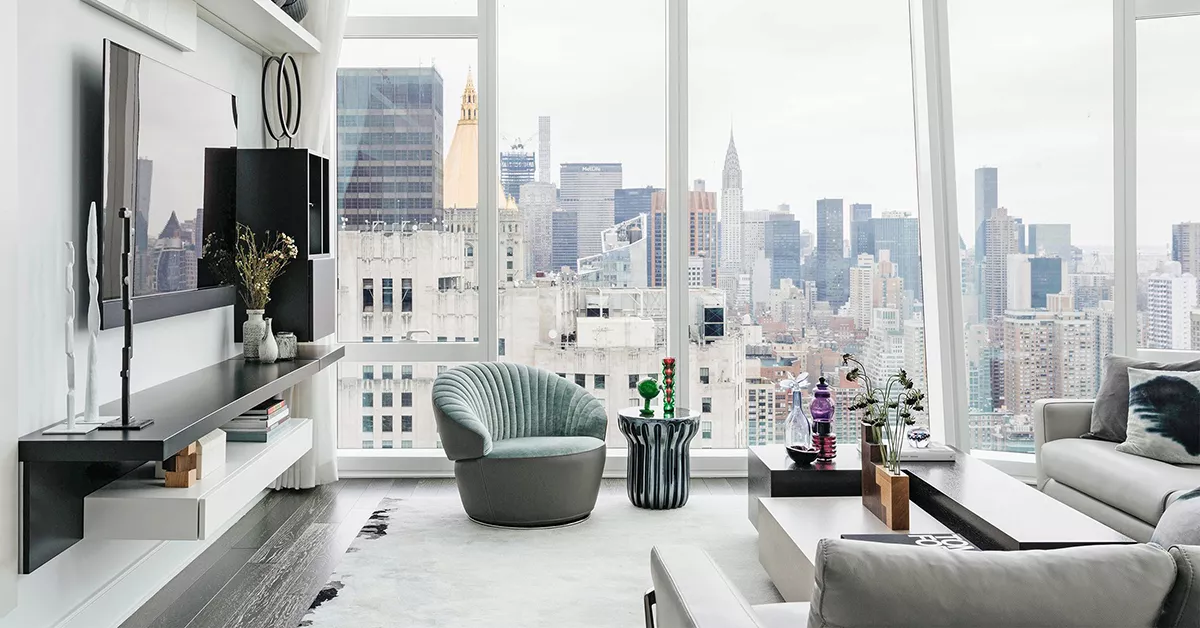
Unlike single-family suburban homes, high-rise condominiums face distinct micro-climatic vulnerabilities:
Expansive Floor-to-Ceiling Glazing
Modern luxury residential architecture prioritizes vast glass-to-wall ratios. While these floor-to-ceiling curtain walls maximize panoramic views, standard architectural float glass offers minimal resistance against penetrating solar infrared radiation.
Massive Structural Thermal Mass
High-rise towers are constructed from dense reinforced concrete. These exterior structural slabs absorb direct solar energy throughout the daylight hours, slowly re-radiating heat into interior rooms long after the sun has set.
Complete Absence of Natural Shading
Upper-floor units sit far above the urban tree canopy and neighboring rooflines. With no exterior overhangs, pergolas, or foliage to intercept solar rays, condominium glass facades endure 100% unmitigated direct solar exposure.
THERMAL TRAP MECHANICS
02: The Thermodynamics of the Condominium Heat Trap
To understand why a hot condominium is so challenging to cool, one must examine the physics of solar radiation transmission through building envelopes:
Solar radiation reaches our atmosphere primarily as short-wave radiation, which includes ultraviolet (UV), visible light, and near-infrared (NIR) wavelengths. Standard window glass is transparent to short-wave radiation, allowing this energy to stream directly into the apartment.
As these energetic rays strike indoor furnishings, hardwood flooring, leather sofas, and interior partition walls, the surfaces absorb the energy and warm up. These warmed interior objects then re-radiate this absorbed energy outward as long-wave infrared radiation (thermal heat).
The One-Way Heat Trap Mechanism
Standard architectural float glass possesses high emissivity and is virtually opaque to long-wave infrared radiation. Consequently, the heat emitted by interior surfaces cannot escape back through the windows. It remains trapped within the airtight envelope of the condominium. Ambient air temperatures climb rapidly, creating an intense greenhouse effect that forces air conditioning systems into continuous, inefficient overdrive.
SOLUTIONS COMPARISON
03: Three Proven Strategies to Address Condominium Overheating
Homeowners typically explore three main approaches to counter solar heat gain in high-rise residences:
| Cooling Strategy | Heat Interception | View & Daylight Preservation | Key Limitations |
|---|---|---|---|
| Blackout Curtains | Moderate | Poor: creates dark cave-like rooms | Heat still penetrates glass and radiates from fabric |
| Balcony Planters & Greenery | Low to Moderate | Partial: blocks specific sightlines | High maintenance at altitude; insufficient for large glass areas |
| Nano-Ceramic Window Film | High: rejects IR and UV at glass plane | Excellent: crystal clear views and natural daylight | Must comply with condominium HOA reflectance limits |
The Critical Flaw of Blackout Curtains
Installing thick blackout drapery or roller blinds is the most common initial reaction. However, curtains act only as an interior visual barrier. By the time sunlight hits the drapery fabric, the solar thermal energy has already passed through the glass barrier and entered the room.
The fabric absorbs this heat, reaching surface temperatures of 45°C to 55°C, effectively functioning as a massive indoor radiator. Furthermore, pulling blackout curtains during sunny afternoons forces residents to live in artificial darkness, wasting the panoramic city view they paid a premium to enjoy.
Why Architectural Window Film Solves the Root Cause
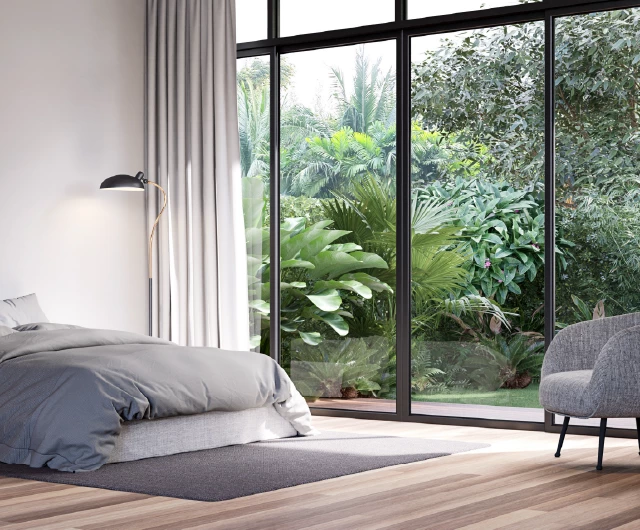
High-performance nano-ceramic window film treats the problem at the physical entry point: the glass surface itself. By reflecting and absorbing infrared radiation before it penetrates into the room, nano-ceramic film prevents the greenhouse cycle from initiating. Living spaces stay noticeably cooler, natural daylight fills the interior, and panoramic skyline views remain completely uncompromised.
HOA & SELECTION CRITERIA
04: Selecting Condo Window Film: Cooling Power, Aesthetics, and HOA Compliance
Selecting window film for a high-rise condominium requires careful attention to building management guidelines and aesthetic balance:
- 1Comply with Condominium HOA Visible Light Reflectance (VLR) Limits: Most luxury condominium juristic offices strictly prohibit mirrored, reflective, or metallized films. Mirror-like reflections create intense glare for neighboring towers and compromise the exterior architectural uniformity of the facade. Always choose films with Visible Light Reflectance below 15% to 20%.
- 2Select Authentic Nano-Ceramic Formulations: Genuine nano-ceramic films, such as the MAXXMA Architectural Ceramic Series, achieve superior heat rejection through selective dielectric nano-compounds rather than shiny metallic foils. The glass retains a refined, natural appearance that effortlessly complies with building regulations.
- 3Evaluate TSER and Infrared Rejection Over Darkness: Do not choose a film purely based on visible darkness (VLT). Focus on Total Solar Energy Rejected (TSER, ideally greater than 50% to 65%) and Infrared Rejection (IRR, ideally exceeding 85% to 95%). A medium-clarity ceramic film can reject far more thermal energy than a cheap dark dyed film.

Explore specialized architectural films tailored for condominium living on our Residential Architectural Film showcase, or calculate potential thermal load savings for your specific window dimensions using our Building Energy Calculator.
FREQUENTLY ASKED QUESTIONS
05: Frequently Asked Questions (FAQ)
Can I install window film in my condo, or do I need formal HOA approval?
Most condominium juristic offices permit interior window film installation provided the film does not alter the exterior aesthetic of the building facade. Highly reflective, silver, or mirror-finished films are generally banned. Choosing a low-reflectivity nano-ceramic film ensures full compliance with HOA architectural standards while effectively resolving thermal issues.
My west-facing living room gets blisteringly hot in the afternoon. Should I choose the darkest tint available?
Not necessarily. Visual darkness (low VLT) primarily manages visible glare, not heat. Advanced nano-ceramic films can achieve high Total Solar Energy Rejection (TSER) while retaining 40% to 60% visible light transmission. This keeps your living space bright and maintains your panoramic skyline view without sacrificing cooling performance.
Does installing architectural window film genuinely reduce monthly electricity bills?
Yes. By blocking up to 90% of infrared heat before it enters the living space, window film substantially lowers peak indoor temperatures and reduces cooling loads. Air conditioning units cycle less frequently and operate at lower compressor loads, delivering tangible electricity savings, especially during the hottest months of the year.
Transform Your Condominium into a Cool, Energy-Efficient Oasis
Schedule an on-site glazing assessment with a certified MAXXMA architectural film expert today. Find your nearest installer through our Dealer Locator, consult with our engineering team on LINE @maxxma, or explore our companion analysis on Architectural Film vs Curtains.
Ready to protect your home or vehicle?
Consult with MAXXMA experts to select the perfect film for your needs, or find an authorized dealer near you.