
How Overheated Workspaces Undermine Office Productivity
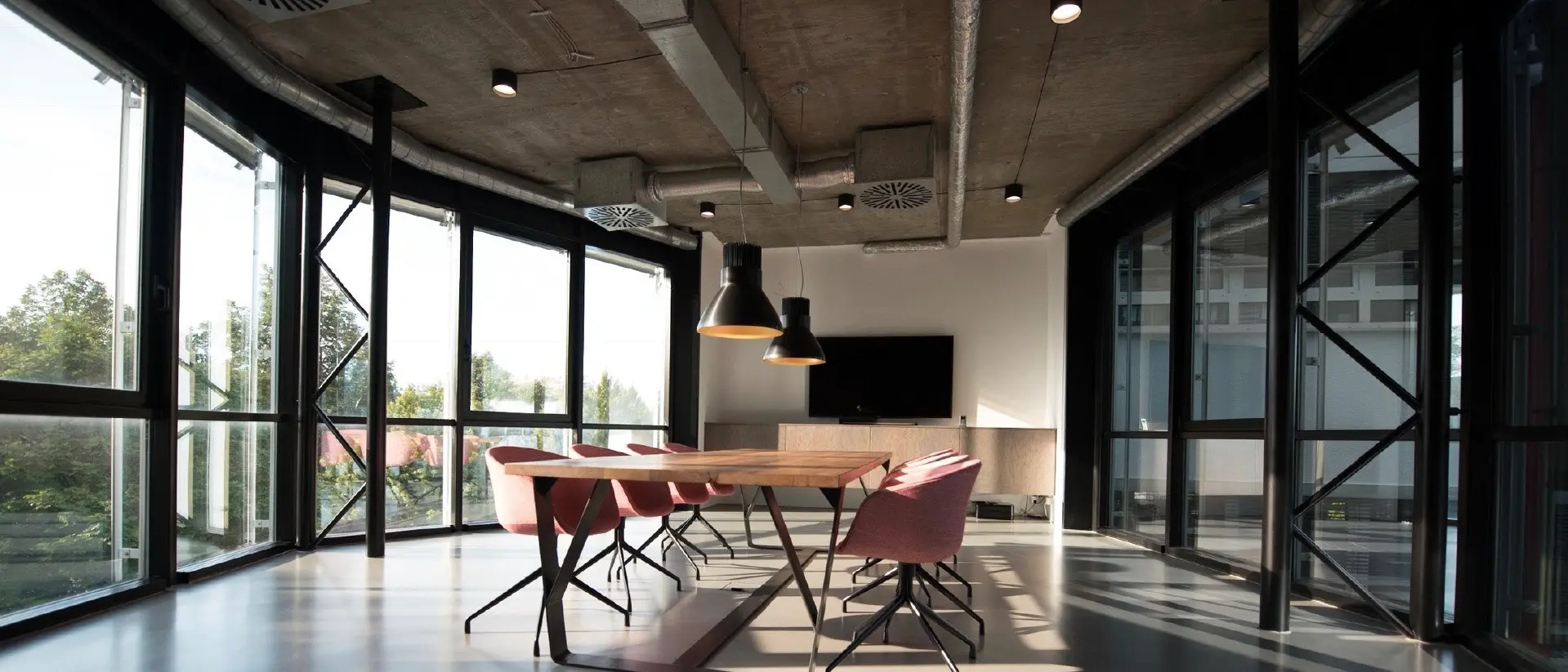
A frequent challenge in modern commercial offices across tropical climates is thermal imbalance. Perimeter workstations situated directly beside large glass windows routinely register significantly higher temperatures than interior conference rooms. Employees seated along exterior walls endure intense radiant heat, persistent afternoon glare, and severe eye strain caused by sunlight reflecting off computer monitors.

Indoor Environmental Quality (IEQ) research and occupational ergonomic studies reveal three critical workplace impacts:
Thermal Load Impairs Cognitive Focus
When office ambient temperatures rise above 25°C, analytical error rates climb and typing accuracy drops noticeably due to thermal discomfort and drowsiness.
Screen Glare Accelerates Visual Fatigue
High-contrast reflections force workers to squint and tense neck muscles, exacerbating digital eye strain and triggering chronic postural headaches.
UV Radiation Damages Fixtures
Unfiltered ultraviolet rays passing through commercial glazing fade hardwood furniture, degrade acoustic wall panels, and damage ergonomic leather seating.
ENERGY EFFICIENCY
Solar Control Window Film: The Highest-ROI Energy Retrofit for Commercial Spaces
In commercial office buildings, air conditioning and mechanical cooling account for over 60% of total electrical consumption. Intercepting solar radiation directly at the glass facade before it enters the conditioned space represents one of the fastest return-on-investment (ROI) capital upgrades available to facility operators.
Cooling Electricity Reductions of 20% to 30%
Installing high-performance MAXXMA Nano Carbon Ceramic architectural window film on building glazing blocks up to 99% of ultraviolet rays and over 90% of infrared heat. By reducing heat ingress, cooling compressors run at lower cycles, dramatically trimming peak kilowatt demand and lowering monthly cooling electricity costs by an estimated 20% to 30%.

COMMERCIAL ADVANTAGES
Three Reasons Enterprise Facilities Choose MAXXMA Commercial Film
Selecting architectural window film for commercial offices requires different engineering considerations than automotive tinting:
- 1Engineered Glare Reduction (Anti-Glare): Modulates visible light transmission to a soothing level, eliminating harsh screen reflections without forcing tenants into artificial gloom behind heavy blinds.
- 2Preserved Natural Light and Exterior Views: Rejects overwhelming infrared heat while allowing beneficial natural daylight to illuminate desks, supporting circadian rhythms, creative alertness, and morale.
- 3Commercial-Grade Warranty Coverage: MAXXMA architectural films feature robust multi-layer sputtering and ceramic matrix technology, backed by warranties of up to 10 years against peeling, delamination, and demetallization.
Commercial Window Film vs Traditional Office Alternatives
| Strategy | Heat Rejection | Natural Light & View | Monitor Glare Reduction |
|---|---|---|---|
| Architectural Solar Film | High (intercepts IR and UV at the glass surface) | Preserves natural view and daylight | Dramatically softens screen glare |
| Roller Blinds or Fabric Drapes | Moderate (traps heat between fabric and pane) | Obstructs outdoor views, necessitates artificial lighting | Blocks glare only by darkening the room |
| Lowering AC Thermostat Alone | Superficial (chills room while radiant heat remains) | Unaffected | Zero relief from screen reflections |
FREQUENTLY ASKED QUESTIONS
Frequently Asked Questions About Office Window Film
How much can commercial window film realistically reduce monthly electricity costs?
Because cooling accounts for roughly 60% of commercial electrical usage, intercepting solar heat at the window pane lowers cooling load considerably. Typical facilities report cooling electricity reductions between 20% and 30% monthly. Precise figures depend on glazing orientation, glass-to-wall ratios, shading, and baseline HVAC efficiency.
Will installing solar film make our open-plan office feel too dark?
No. High-performance nano-ceramic films selectively block invisible infrared and ultraviolet wavelengths while transmitting ample visible daylight. Workspaces remain naturally illuminated and visually comfortable without needing closed blackout blinds during daylight hours.
Does installation disrupt daily office workflow and active staff?
Commercial installation is clean, efficient, and virtually silent. Professional installation crews routinely coordinate phased section rollouts or execute work during evening or weekend hours to ensure business continuity without tenant disruption.
How does window film compare to internal motorized blinds?
Interior blinds allow solar radiation to pass through the glass pane, where heat becomes trapped between the blind and the window in a convection greenhouse effect. Solar control window films reject solar heat at the outer glass interface before energy enters the building interior.
NEXT STEPS
Building a Cooler, More Productive Workplace
Evaluating window film for your corporate headquarters or branch offices starts with a professional glass assessment. Analyze baseline solar exposure, evaluate energy savings, and explore tailored corporate solutions:
- Test your building parameters with our Building Energy Calculator
- Explore high-durability Commercial Architectural Films
- Locate certified installers through our Authorized Dealer Directory
- Learn how high-rise buildings combat solar gain in Solving Heat Traps in High-Rise Properties
- Read our deep-dive analysis: Is Window Film Worth It? Heat, Electricity, and Payback
Ready to protect your home or vehicle?
Consult with MAXXMA experts to select the perfect film for your needs, or find an authorized dealer near you.