

The short answer: architectural window film can be worthwhile when a window receives direct sun regularly, the room is air conditioned during those hours, and the chosen film controls solar heat without sacrificing the daylight you want. No film name alone can tell you how much your electricity bill will fall or when an installation will pay for itself.
When does architectural window film make financial sense?
Imagine the best seat in a living room on a bright afternoon. Sunlight reaches across the floor and furniture, yet the person sitting there moves away from the glass, closes the curtains and turns up the air conditioning. The large window was meant to bring light and a view into the room. Instead, it has become the reason that part of the room is uncomfortable.
Solar control film can change how much solar energy the glazing admits. It may reduce the heat felt near the window and the cooling work required while the sun strikes it, without replacing the whole glazing unit. The outcome depends on orientation, exposed glass area, shading, glazing construction, air conditioning hours and how people use the space.
Lawrence Berkeley National Laboratory’s study of solar control film retrofits explains why savings are more likely in buildings dominated by cooling loads, especially when sun exposure and window area are significant. Its conclusion is conditional, not a promise for every home.
If the glazing is already efficient, sits in shade for most of the day, or serves a room rarely cooled by an air conditioner, the electricity saving may be small. Reduced glare and better use of the space may still matter, but those benefits should not be converted into an unsupported payback figure.
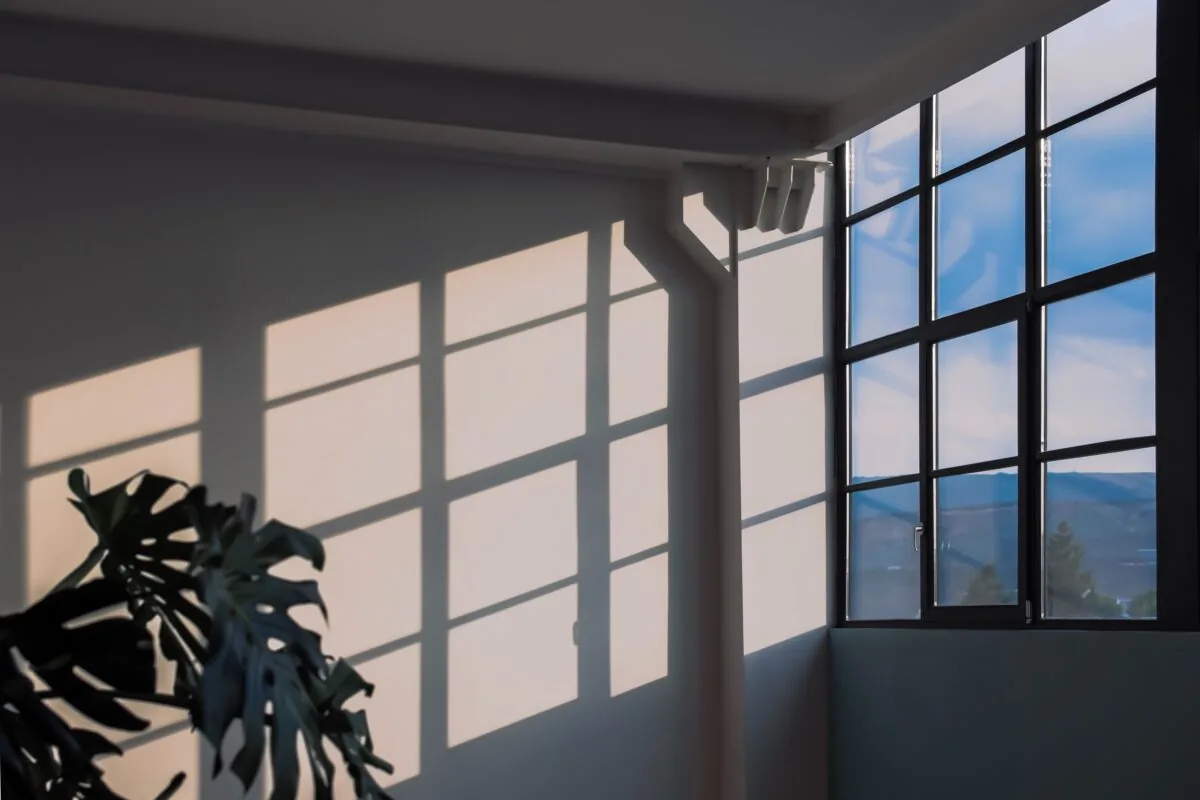
How film changes solar heat and glare
When sunlight reaches a window, some energy is reflected, some passes through, and some is absorbed by the glass and film. A portion of absorbed energy can still move indoors. Describing film as a surface that “reflects all heat” misses that important detail. A suitable film changes the balance so that less solar heat reaches the occupied room.
Read three ratings together:
- SHGC, solar heat gain coefficient, describes the fraction of incident solar energy admitted as heat through the glazing assembly. A lower value means less solar heat gain under comparable test conditions.
- TSER, total solar energy rejected, expresses the fraction of total solar energy rejected. Check which reference glass was used for the rating before comparing film options.
- VLT, visible light transmittance, tells you how much visible light passes through. It affects daylight and the view. It is not an electricity saving percentage.
The MAXXMA guide to SHGC, TSER and glazing types explores these measures in depth. The U.S. Department of Energy likewise distinguishes solar heat gain from visible daylight.
BENEFITS & LIMITSBenefits to expect, and problems film cannot solve
Less solar heat through exposed glass
A window in direct sun may transmit less heat after film is installed. Room temperature also depends on the roof, walls, ventilation, insulation and air conditioner settings.
Better glare control
An appropriate VLT can make a screen, desk or seating position more comfortable. View a real sample in lighting similar to the room before choosing a shade.
More usable space near the window
Some rooms can retain their view and use window side seating for longer without keeping blackout curtains closed throughout the day.
UV reduction according to the chosen film’s test data
Ask for the UV performance of the exact film and glazing combination. Visible light and heat also contribute to material fading, so film cannot guarantee that furniture will never fade.
Film does not repair heat entering through a roof, uninsulated wall or air leaks, nor does it fix an inefficient air conditioner. If those dominate, address them first. External shade, blinds and window placement can be part of the solution. See the DOE’s daylighting guidance.
ELECTRICITY & PAYBACKHow much electricity can film save, and how do you estimate payback?
Avoid applying a universal percentage to a household bill. Even if film lowers solar heat through glass, the bill also includes refrigeration, appliances, lighting and many hours when the sun is not hitting that window. A reduction in cooling load is not automatically the same percentage reduction in total electricity use.
Before requesting an installation quote, note the target room’s window area and orientation, hours of direct sun, air conditioning schedule, unit electricity cost and historical bills. After installation, compare similar periods while accounting for outdoor weather, occupancy and thermostat settings. A separate air conditioner energy reading is more informative than a whole house bill when available.
A calculation you can check
Annual monetary saving = comparable reduction in electricity units × your actual cost per unit
Approximate payback period = installed film cost ÷ annual monetary saving
If you cannot isolate a credible electricity reduction, payback is still unknown. A model is useful for exploring assumptions, not for confirming a bill reduction.The MAXXMA building energy calculator can show how an estimate responds to glazing area and usage hours. Its output is a preliminary heat load estimate, not a guaranteed electricity bill or payback date.
SCIENCE VS MYTHCommon assumptions that lead to the wrong film
“Darker film always keeps a room cooler”
Darkness primarily describes visible light transmission. Films with similar VLT can have different SHGC values. Compare tested glazing assemblies, not appearance alone.
“High IR rejection guarantees an equally large bill saving”
An infrared rating at one wavelength is not the entire solar spectrum or your total electricity use. Read SHGC or TSER alongside the building’s cooling schedule.
“Reflective privacy film works the same way at night”
When the lit interior is brighter than outdoors, people outside may be able to see in. Plan curtains or another privacy measure for evening use.
Choose film around the room’s main problem
Afternoon sun in a living room
Start with the most exposed glazing. Ask for SHGC or TSER on comparable glass, then view a sample in afternoon light.
Explore residential filmGlare in a workspace
Consider VLT, interior reflection and screen position. Check a sample from the actual seating position before selecting a shade.
Explore commercial filmA need for visual privacy
Separate daytime and nighttime needs. Reflective film alone may not prevent views into a lit room after sunset.
Read the privacy guideFor insulated glazing, Low-E coatings, tinted glass or large panes, ask the installer to assess film compatibility and thermal stress risk first. The glazing and architectural film guide explains why the existing glass matters.
Seven checks before requesting a quote
- Identify the hottest or brightest window and photograph it when the problem occurs.
- Record dimensions, orientation, glazing type and existing shade from eaves, trees or blinds.
- Rank your needs: heat reduction, daylight, glare control or privacy.
- Request SHGC or TSER, VLT and UV data for the exact proposed film, including test conditions.
- View a sample on the actual window or in comparable daylight.
- Ask for a written quote covering installation, glass preparation and warranty terms.
- Keep baseline electricity and air conditioning use so later comparisons are meaningful.
An introduction to MAXXMA architectural film ranges
This MAXXMA video introduces film ranges for buildings, homes and offices. Use it as a starting point for a site discussion, then verify the specifications of a proposed film against your actual glass.
FREQUENT QUESTIONSFrequently asked questions
Will my electricity bill fall immediately after installation?
Cooling demand may fall while a treated window receives sun, but total electricity use also depends on weather and other appliances. Compare similar periods before and after installation.
Should I choose the darkest film for maximum heat control?
No. Compare SHGC or TSER alongside VLT for the relevant glazing assembly, then check how bright the room feels with a real sample.
Can film prevent furniture from fading?
Film with documented UV reduction may reduce one cause of fading. Visible light, heat and the material itself still matter. Use shade or curtains for particularly light sensitive pieces.
Can film be installed on Low-E or double glazed windows?
The installer should check the glazing specification, coating position and thermal stress risk before recommending a compatible film.
Must every window be treated to make the project worthwhile?
No. Start with the windows that receive direct sun and affect how the room is used. Review the result and budget before treating other panes.
Begin with a site assessment, not a saving percentage
If a window receives direct sun, share a photo, approximate dimensions, orientation and the hours when the room becomes uncomfortable. MAXXMA can help narrow the film choices and check glazing compatibility before quoting. Explore the architectural film range and use the energy calculator to test assumptions.
REFERENCESReferences and scope
- Lawrence Berkeley National Laboratory: Liquid-Applied Absorbing Solar Control Window Film Retrofit on the conditions that affect potential energy savings
- U.S. Department of Energy: Purchasing Energy-Efficient Residential Windows, Doors, and Skylights on SHGC and visible transmittance
- U.S. Department of Energy: Natural Light and Daylighting on window orientation, external shade and daylight
- IWFA Flat Glass Solar Control Education Manual for film and rating concepts; it is not a certification of a MAXXMA product
This guide supports a preliminary decision. It does not constitute a test of the reader’s building or a guarantee of electricity savings, payback time or suitability of a particular film.
Ready to protect your home or vehicle?
Consult with MAXXMA experts to select the perfect film for your needs, or find an authorized dealer near you.