
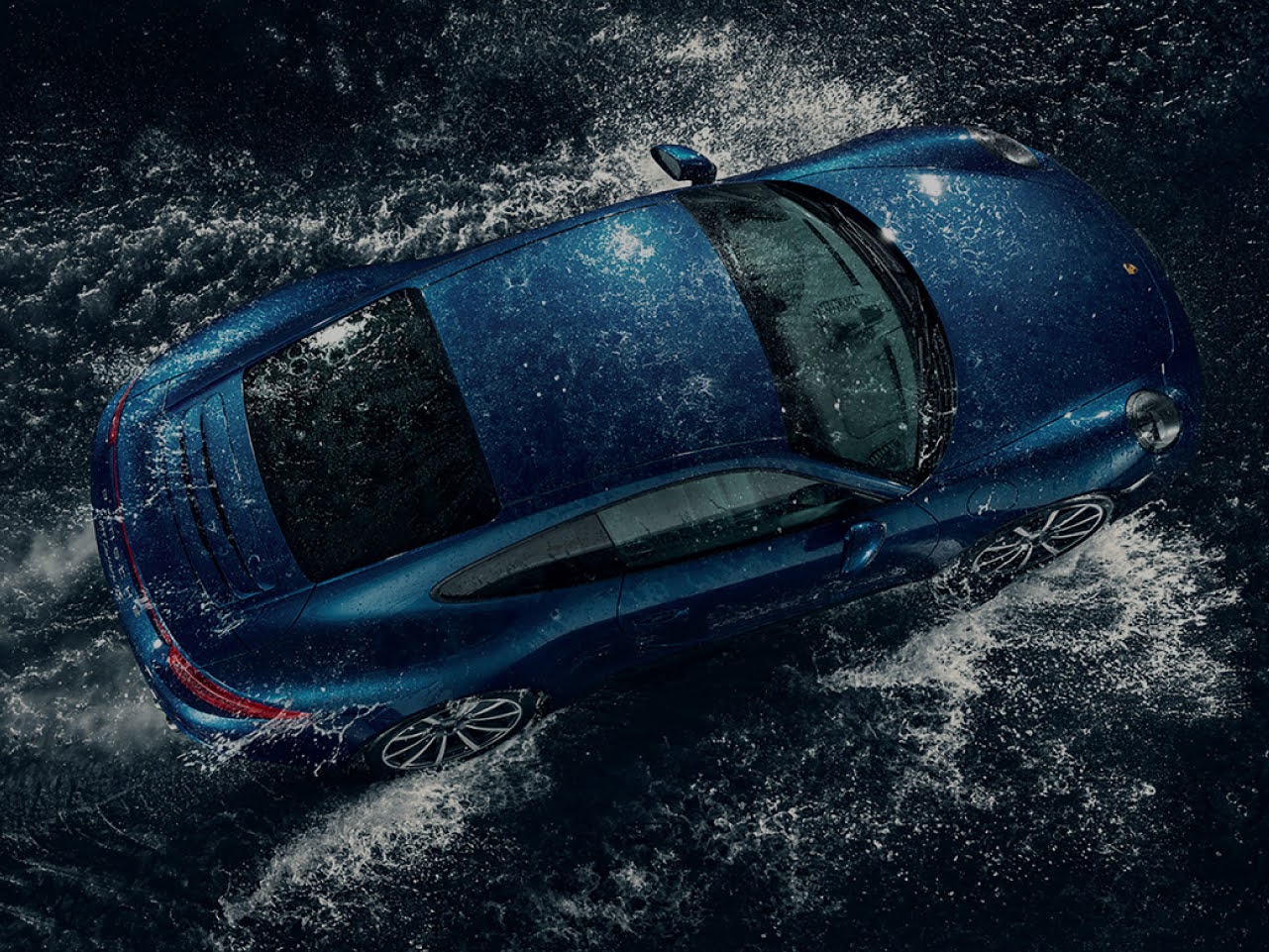
Rain Doesn’t Just Mean Slippery Roads, It Means Challenging Visibility
During a heavy downpour, the windshield is soaked, headlights reflect aggressively off the road, and lane markings fade out simultaneously. Drivers aren’t just fighting the rain; they have to manage braking distances, blinding glare, and their speed to match actual road conditions.
This article is adapted from MAXXMA’s original Knowledge Hub and tailored into a practical driving guide: starting with pre-trip car checks, followed by driving techniques, handling flooded streets, and the role of Polarized window films when visibility takes a hit.
Car Preparation Before the Road Gets Wet
Fundamental systems like tires, brakes, lights, and wipers are your first line of defense. A slippery road will quickly amplify minor flaws into major risks.
Speed Slower Than Your Habit
On wet roads, braking distances increase and traction decreases. Slowing down early is always safer than trying to correct a skid once the car loses control.
Eyes Need Enough Detail
Glare from the road surface, headlights, and raindrops on the windshield causes eye fatigue. Choosing the wrong film can make things too dark, while Polarized film helps reduce distracting glare in the right contexts.
1. Inspect Your Vehicle Before Departure
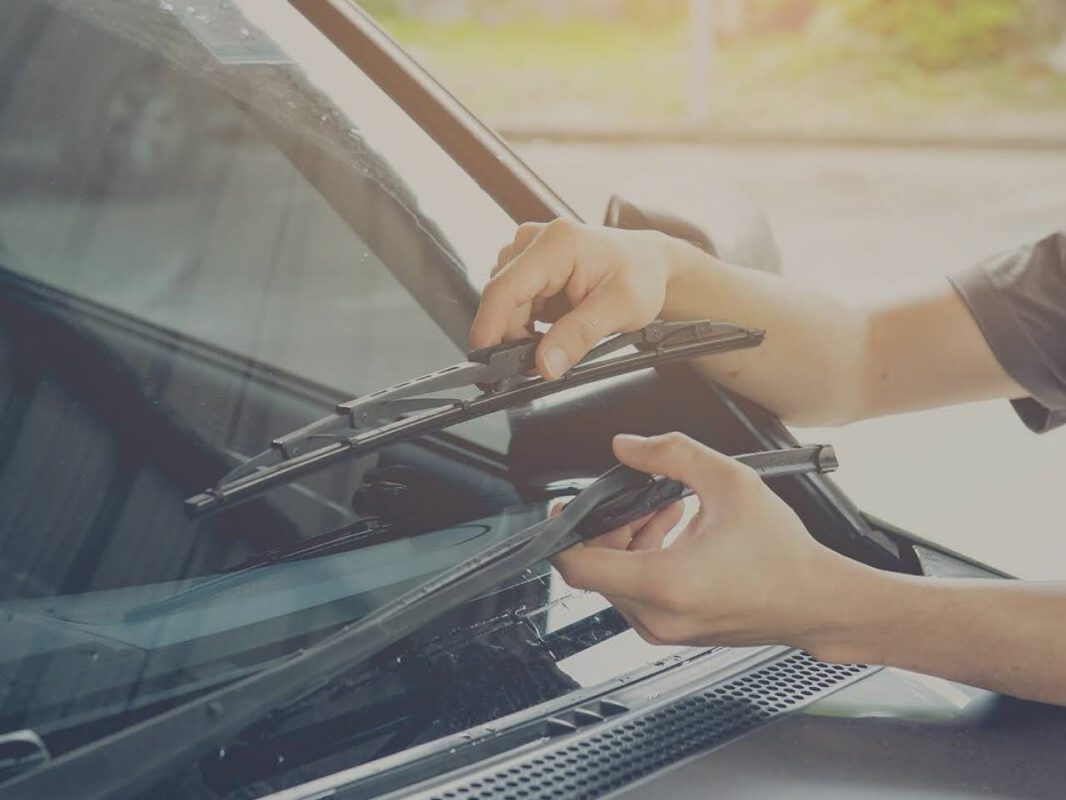
Before heading out on a day with a chance of rain, start by unhurriedly checking your car. Equipment that is slightly degraded on a dry day can instantly become a problem when the road is wet and visibility drops.
- ✓Windshield Wipers: The rubber must not be hard or torn, and should sweep the water smoothly. If they squeak or leave streaks, replace them before the rainy season.
- ✓Washer Fluid: Keep it topped up. A clean windshield reduces the visual interference from headlight glare and mud splatters.
- ✓Braking System: Check brake pads, brake fluid, and look out for shuddering brakes. Wet roads require significantly longer stopping distances.
- ✓Tire Condition: Worn treads dispel less water and increase the risk of hydroplaning, especially at high speeds.
- ✓Lighting System: Check headlights, taillights, brake lights, and turn signals so you can see the road and others can see you.
2. Slow But Sure: Drive at an Appropriate Speed
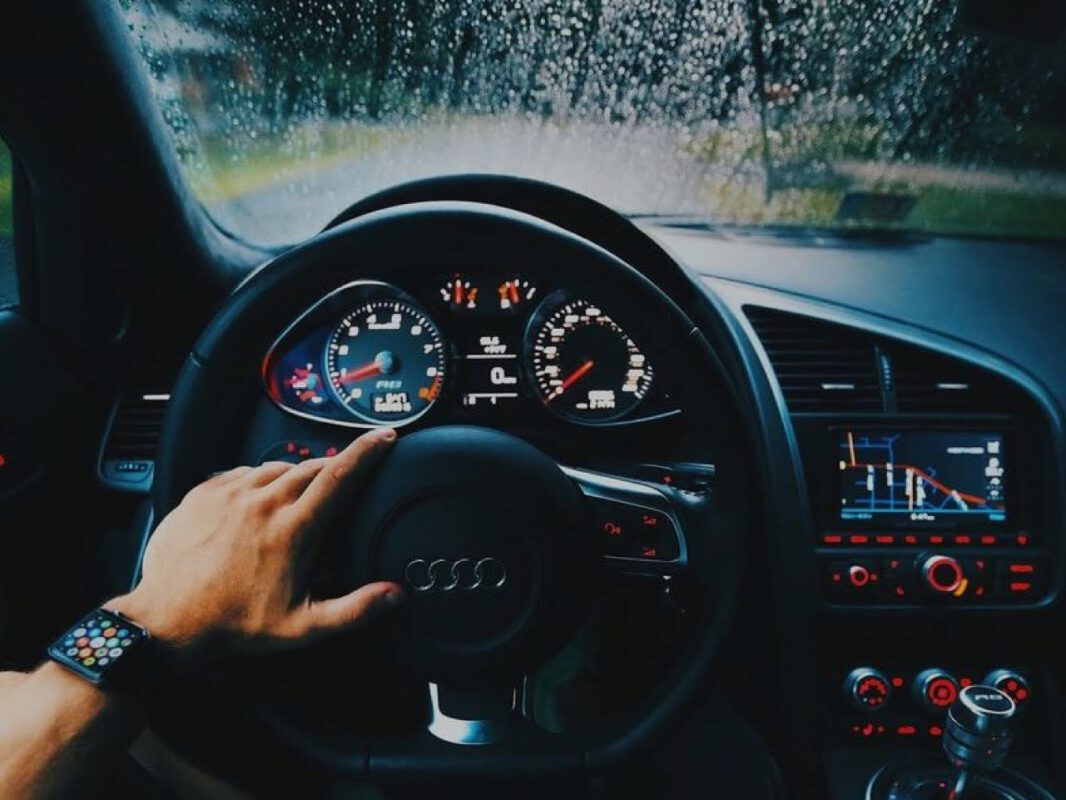
When it rains, the speed that felt safe on a normal day can suddenly become excessive. Water on the road reduces friction, slows the car’s response, and lengthens braking distances. Driving slower than your usual habit buys time for your eyes, brain, and the car to stay in sync.
Use the accelerator gently, avoid short-distance overtaking, and reduce speed well before entering curves, intersections, bridges, U-turns, or areas with standing water. These areas tend to have more variation in the road surface than straight sections.
A Safer Mindset
If you find yourself needing extra concentration to read lane markings or the rear of the car ahead, the road conditions are telling you to slow down further, not just turn on more lights or follow the car ahead more closely.
3. Adjust Wipers and Manage the Windshield for Real Rain Conditions
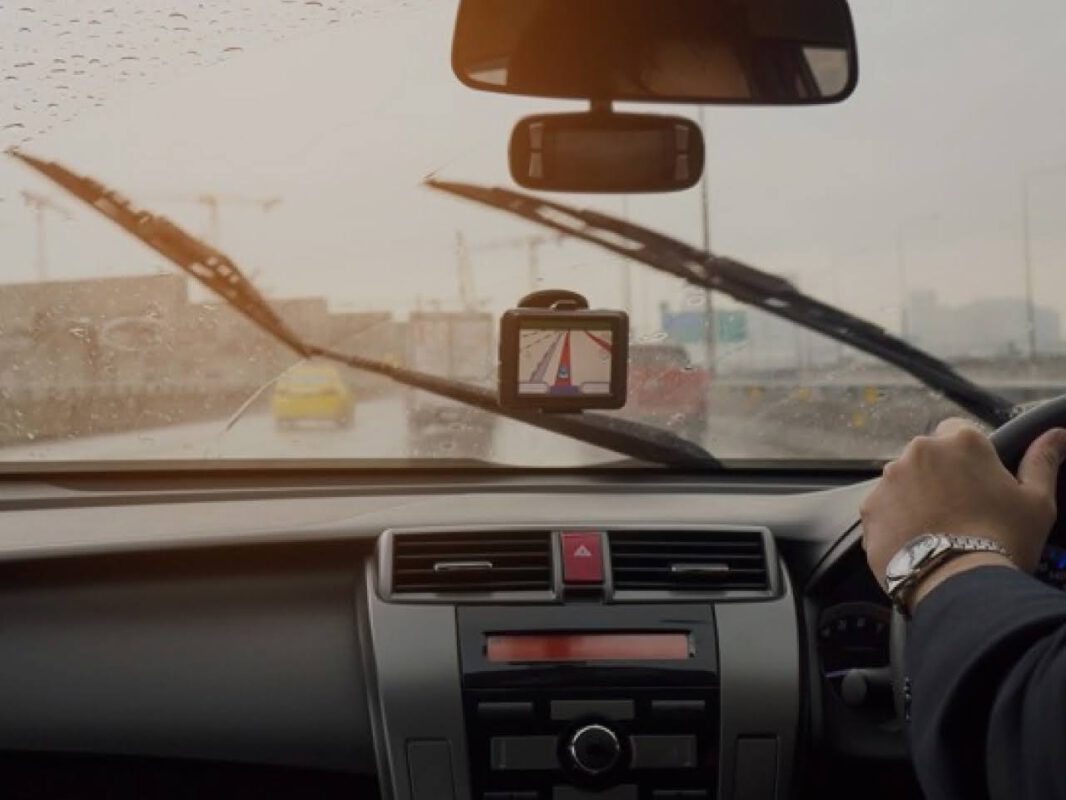
Wiping too fast in light rain can cause streaks and noise, while wiping too slow in heavy rain leaves water blocking the view for too long. Choose a wiper speed based on the actual rainfall, and don’t wait until the windshield is completely obscured to adjust it.
If fog or moisture forms on the inside, turn on the defogger and adjust the air conditioning appropriately. Clear glass inside and out helps the taillights ahead, lane markings, and pedestrians stand out during heavy downpours.
4. Turn on Lights So Others See You, Not Just to See Farther
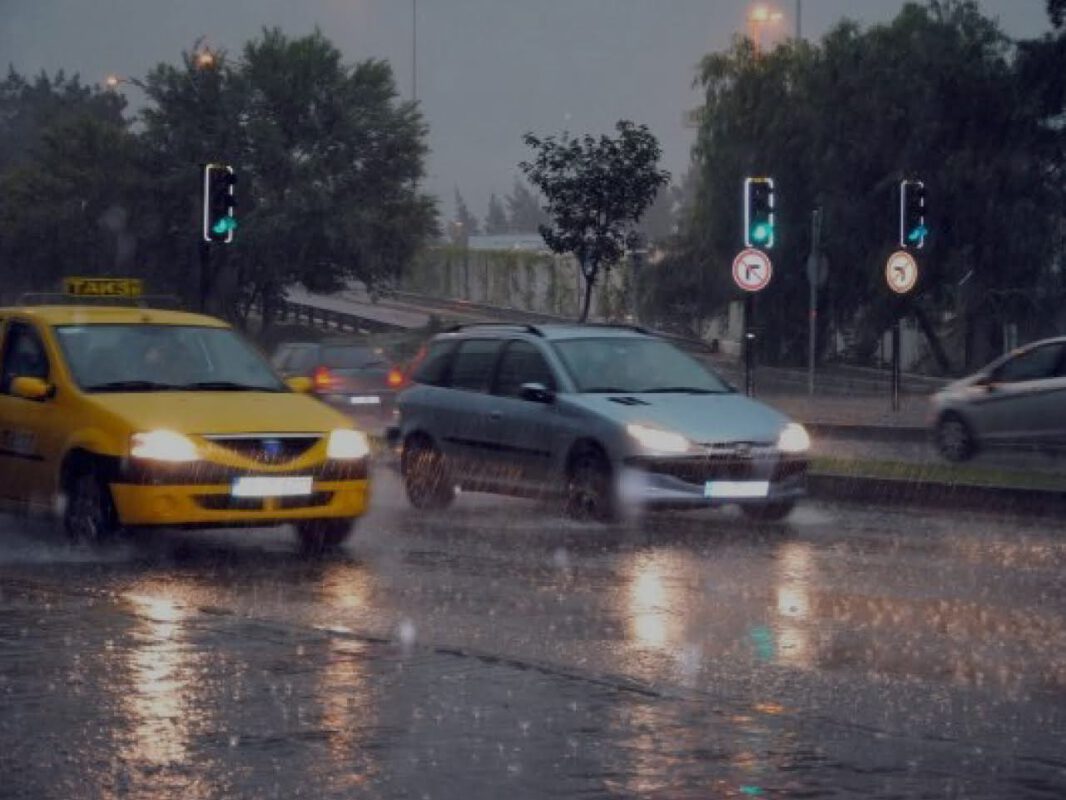
On rainy days, turn on your headlights or parking lights as appropriate so other vehicles can spot you sooner, especially during heavy rain, dark skies, or on highways with spray from the car ahead. Avoid unnecessary use of high beams, as the light can reflect off the rain mist and blind oncoming traffic.
Car lights are the body language of your vehicle when visibility is low. If brake lights, turn signals, or taillights aren’t working fully, changing lanes and slowing down becomes difficult for everyone on the road.
5. The Science of Visibility: Why Polarized Film Matters on Rainy Days
The Problem Isn’t Just Brightness, It’s Misdirected Glare
A wet road surface acts like a mirror, causing headlights, taillights, and skylight to scatter into the driver’s eyes far more than on a dry day. Polarized film is designed to help reduce distracting glare, making the road easier to read without relying solely on darkness.
The right window film for rainy driving must balance eye comfort and actual visibility. You shouldn’t choose solely based on how “dark” it is, because excessively dark film can make night driving or heavy rain conditions dangerous.
VLT
Visible Light Transmission is the amount of light passing through the film into the cabin. An appropriate VLT ensures you can still see the road and pedestrians clearly in low-light conditions.
TSER
Total Solar Energy Rejected is the overall reduction in solar heat energy. It is used to judge cabin comfort, but should not replace evaluating visibility.
IR Rejection
Reducing infrared rays helps with the heat you feel from the sun, but rainy driving still requires assessing glare and brightness passing through the glass.
Choose Film Like a Driver, Not an Onlooker
If you frequently drive at night, encounter heavy rain often, or drive long distances cross-country, prioritize visual clarity and glare reduction over external darkness alone.
6. Do Not Brake Suddenly and Avoid Quick Steering Movements
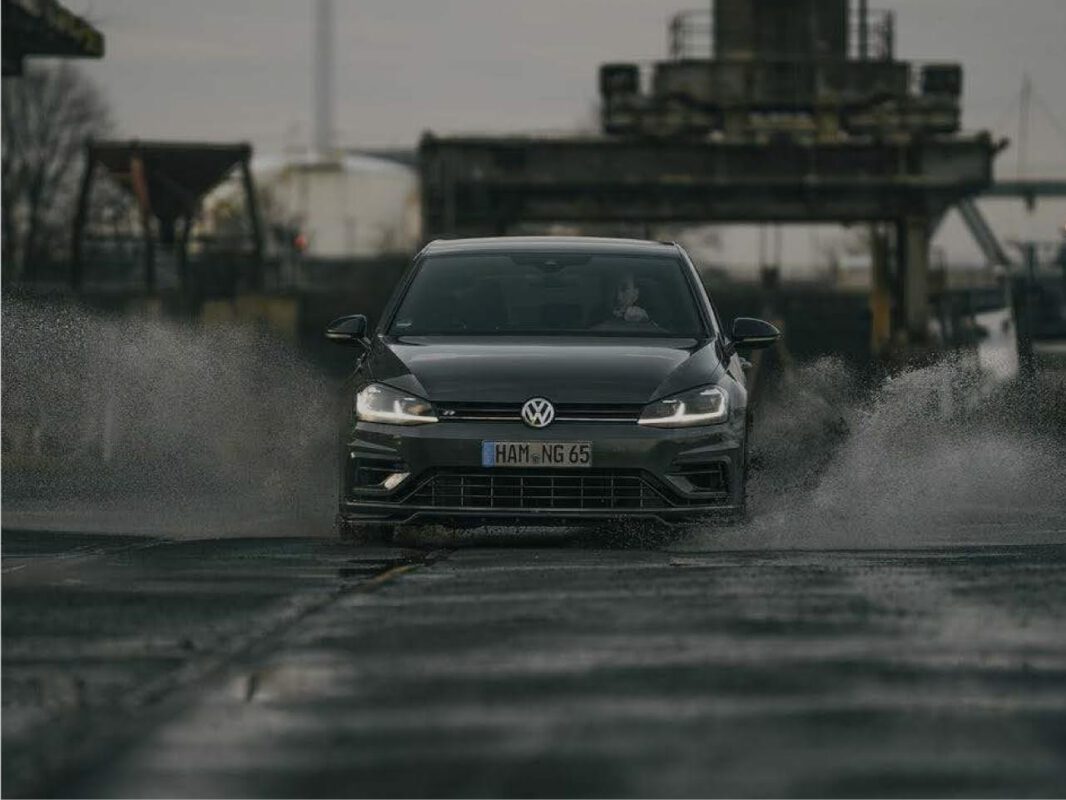
Wet roads hate sudden commands. Hard braking, quick overtaking, or abrupt steering inputs all increase the likelihood of the tires losing grip. You should decelerate by lifting off the accelerator first, then applying the brakes continuously and smoothly.
If the car starts to skid, look in the direction you want to go, hold the steering wheel firmly, ease off the accelerator and harsh braking, and gently steer back into line. Avoid over-correcting with the steering wheel, as this can cause the car to fishtail.
7. Avoid Flooded Areas and Don’t Force It If You Don’t Know the Depth
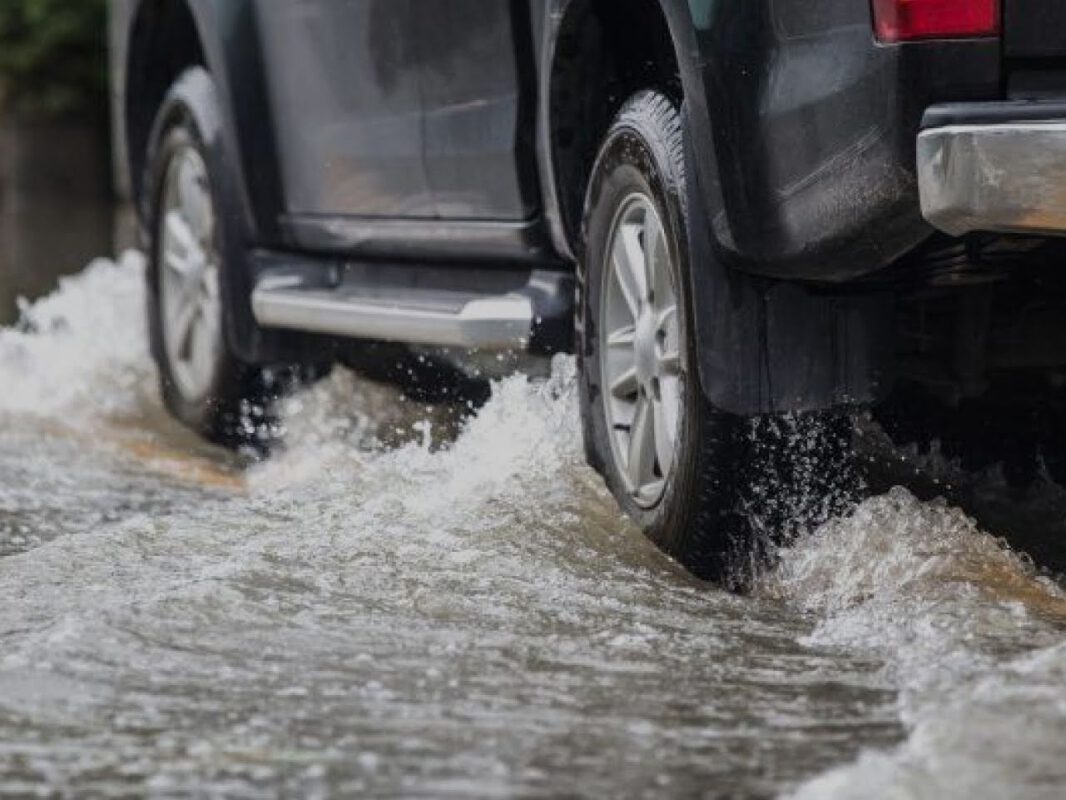
Standing water is a difficult risk to assess because drivers often cannot see the actual road surface. If you are unsure of the water depth or see stalled cars ahead, taking a safe detour is always the better choice.
If you must drive through water, maintain a low, steady speed. Do not accelerate or brake hard, and leave a wide gap from the car ahead to avoid creating a wake. After exiting the water, lightly tap the brakes intermittently to expel water from the braking system, and monitor for any engine or electrical abnormalities, or burning smells.
Potential Damage When Forcing Through Floods
8. Increase Following Distance More Than Usual
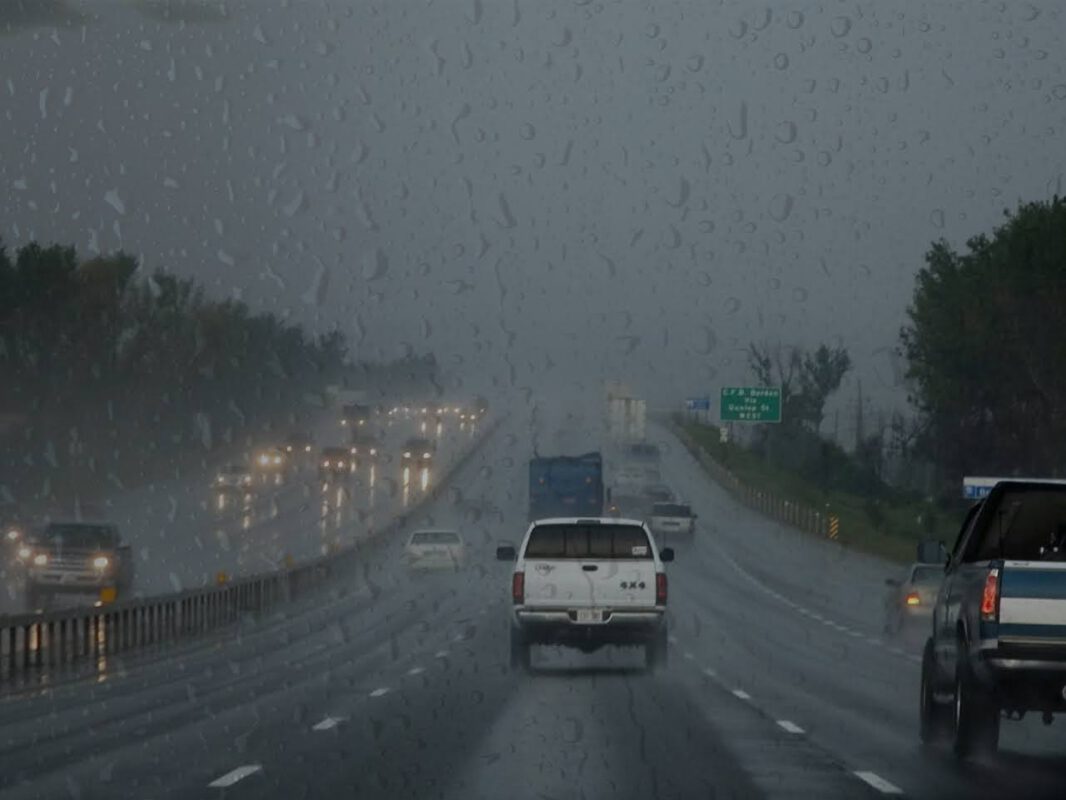
Braking on a wet road takes longer than on dry pavement. If you tailgate, you eliminate the time needed for your brain to process the brake lights and your foot to hit the pedal, before your tires even begin the longer stopping process.
Additionally, following too closely means your windshield takes the full brunt of the water spray kicked up by the tires of the car ahead, obscuring your vision when you need it most. Keep a distance of at least 4-5 seconds, especially when following large trucks or buses.
9. Prepare Emergency Equipment and Plan Ahead
The rainy season is not the time to start thinking about emergency equipment after your car breaks down. You should prepare a flashlight, raincoat, jumper cables, emergency warning triangle or flare, clean cloths, drinking water, and keep the contact numbers for a service center or insurance provider in the car.
Before the Rainy Season
Inspect tires, brakes, battery, windshield wipers, defoggers, and all lights. Fix any degraded parts before you actually need them.
Before Long Trips
Check the weather forecast, plan alternative routes, allow extra travel time, and avoid roads prone to flooding.
After Heavy Rain or Floods
Listen to your brakes, watch for warning lights, unusual smells, and water stains in the cabin. If anything feels off, have a mechanic inspect it immediately.
10. Summary of Safe Driving Techniques in the Rain
- Check wipers, washer fluid, tires, brakes, and lights before traveling.
- Reduce speed as soon as it starts raining; don’t wait for the car to lose control.
- Adjust wipers according to the actual rain volume and keep the glass clear.
- Turn on your lights so others can see you; avoid high beams unnecessarily.
- Choose a window film that reduces glare while keeping the road clearly visible.
- Brake and accelerate smoothly; do not steer abruptly.
- Avoid flooded areas; if you don’t know the depth, do not force your way through.
- Increase following distance from the car ahead more than usual.
- Prepare emergency equipment and alternative routes before the rainy season.
- If the car shows abnormalities after wading through water, stop driving and inspect it before continuing.
Checklist for Choosing Window Film for All-Weather Safety
Questions to Ask Before Deciding
- Is the film too dark for night driving or heavy rain?
- How does it reduce glare from wet roads and headlights?
- Are there brightness options suitable for the windshield versus side windows?
- Does the installation center offer recommendations based on your actual driving habits?
Recommended Next Reads
If you are choosing film for your primary vehicle, start with Window Film 101, then compare selection concepts in the Thai article Window Film Selection Techniques, before reviewing options like MAXXMA Polarized.
Frequently Asked Questions (FAQ)
Does Polarized film actually improve visibility in the rain?
It helps reduce distracting glare in the right contexts, especially reflections from wet roads and headlights. However, you still need to choose a film brightness suitable for night driving and actual rain conditions.
Should I use high beams or low beams when driving in the rain?
Generally, you should use low beams or standard headlights so other cars can see you. Avoid high beams in heavy rain or when oncoming traffic is present, as the light can reflect off the rain mist and blind both you and other drivers.
What should I do if the engine stalls while driving through a puddle?
Do not attempt to restart the engine. Turn on your hazard lights, move to a safe location if possible, and contact a service center or roadside assistance. Restarting can cause severe engine damage if water has entered the system.
What is the proper following distance on a rainy day?
It should be noticeably larger than on a dry day, as braking distances increase and spray from the car ahead can quickly obscure your vision. If you can’t clearly see the lane lines or the rear of the car ahead, slow down and increase the distance immediately.
How does standard dark film differ from Polarized film in the rain?
Standard dark film may reduce overall brightness, but that doesn’t mean it handles glare well. Polarized film focuses on cutting out distracting glare, making it a better choice for drivers who prioritize a clear, easy-to-read road view in difficult lighting conditions.
MAXXMA Polarized for Drivers in All Weather Conditions
Don’t Choose Film Just by Darkness; Choose Based on How You Actually Drive
If you frequently drive long distances, at night, or in heavy rain, a good film must provide eye comfort without making the road too dark. Start by exploring MAXXMA Polarized, then compare it with other automotive films on the MAXXMA Automotive Film page.
Ready to protect your home or vehicle?
Consult with MAXXMA experts to select the perfect film for your needs, or find an authorized dealer near you.