
Self-Healing is Not Magic, but Material Science
The term Self-Healing in paint protection film (PPF) is often oversimplified in marketing, leading to misunderstandings. Some car owners assume the film repairs every type of gouge or impact automatically. Others believe that as long as a film claims self-healing properties, raw materials, installation precision, and maintenance routines do not matter.
The scientific reality is that self-healing represents the ability of the film’s topcoat to diminish the visual appearance of shallow surface abrasions. It relies on the elastomeric properties of thermoplastic polyurethane (TPU) and thermal energy from the sun, warm water, or ambient heat. Shallow swirl marks, light wash scratches, and superficial friction marks have a high probability of relaxing. In contrast, deep stone punctures, structural tears, blade cuts, or gouges that penetrate the urethane layer cannot heal themselves.
This guide provides an honest, professional perspective. It helps you assess self-healing claims objectively, know what to look for when choosing film, identify when an installer inspection is necessary, and understand which care techniques preserve optimal film performance.
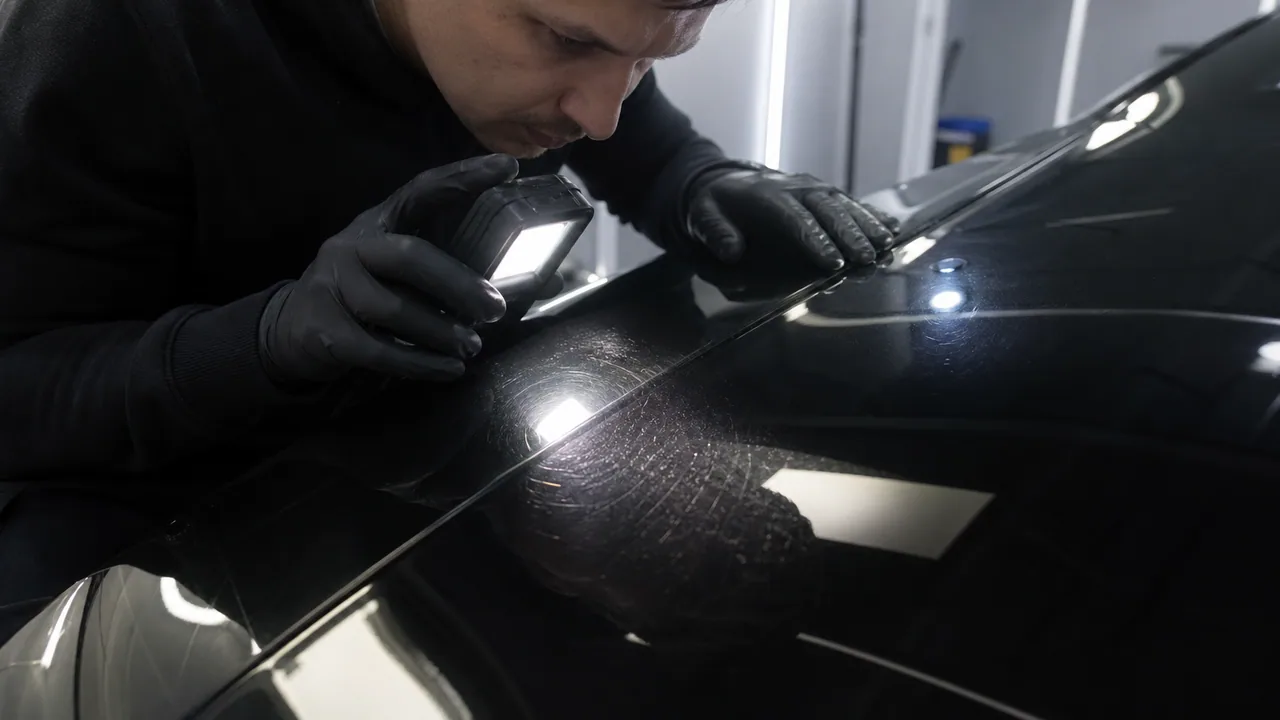
Shallow Scratches Recover Best
Micro-swirls and gentle wipe marks respond well to heat. Structural cuts, tears, or deep punctures will never heal on their own.
Material and Topcoat Matter
Clear Guard PPF utilizes premium Aliphatic TPU with an integrated hydrophobic self-healing surface, yet final durability always depends on installation and ongoing maintenance.
Ask Your Installer Direct Questions
Clarify thermal limits, safe washing methods, and follow-up inspections, as different panels on a vehicle encounter distinct impact forces.
How PPF Heals: Flexible Polymers and Shape Memory
Automotive paint protection films are engineered as transparent, flexible barriers that absorb kinetic energy and everyday abrasion instead of the factory clear coat. The gold standard material across MAXXMA Clear Guard product lines is Aliphatic TPU, an advanced elastomer known for yellowing resistance, elasticity, and compliance around complex curved panels.
When a shallow scratch occurs on the surface, the film does not generate new material. Instead, the polymer chains in the self-healing topcoat experience localized stress and deformation. When mild heat is introduced (such as ambient sunlight, warm water, or engine heat), the polymers relax, redistribute internal tension, and return to their original cast state.
The crucial distinction is that self-healing functions only within the elastic limit of the topcoat. If an object shears through the topcoat, fractures the TPU core, or lifts the adhesive boundary, the physical integrity is broken. In such cases, vehicle owners should consult an authorized installation center rather than attempting unapproved heat or chemical treatments.
Interactive Surface: Watch Shallow Marks Fade Under Gentle Thermal Energy
On desktop displays, this simulation illustrates how micro-abrasions relax under thermal stimulation. Mobile devices and visitors with reduced-motion preferences view a stable diagram.
Which Scratches Heal and What Cannot Be Repaired
Applying the term self-healing indiscriminately creates unrealistic expectations. To make practical decisions, categorize surface marks into three distinct severity levels:
| Scratch Character | Recovery Potential | Recommended Response |
|---|---|---|
| Swirl marks from dusty microfiber towels or light wash mitts | High when limited to the topcoat | Wash and rinse cleanly first, then observe under natural sunlight |
| Light rub marks and mild daily contact | Requires depth evaluation | Photograph the area, wash gently, and consult an installer if visible |
| Deep gouges, stone punctures, tears, or lifted edges | Zero self-recovery | Do not rub, scrape, or apply intense heat; have an authorized dealer inspect the panel |
Self-healing serves to absorb everyday wash swirls and light scuffs, but it never replaces conscientious washing, edge preservation, or periodic professional inspections. For detailed post-installation maintenance steps, explore our PPF Maintenance and Care Guide.
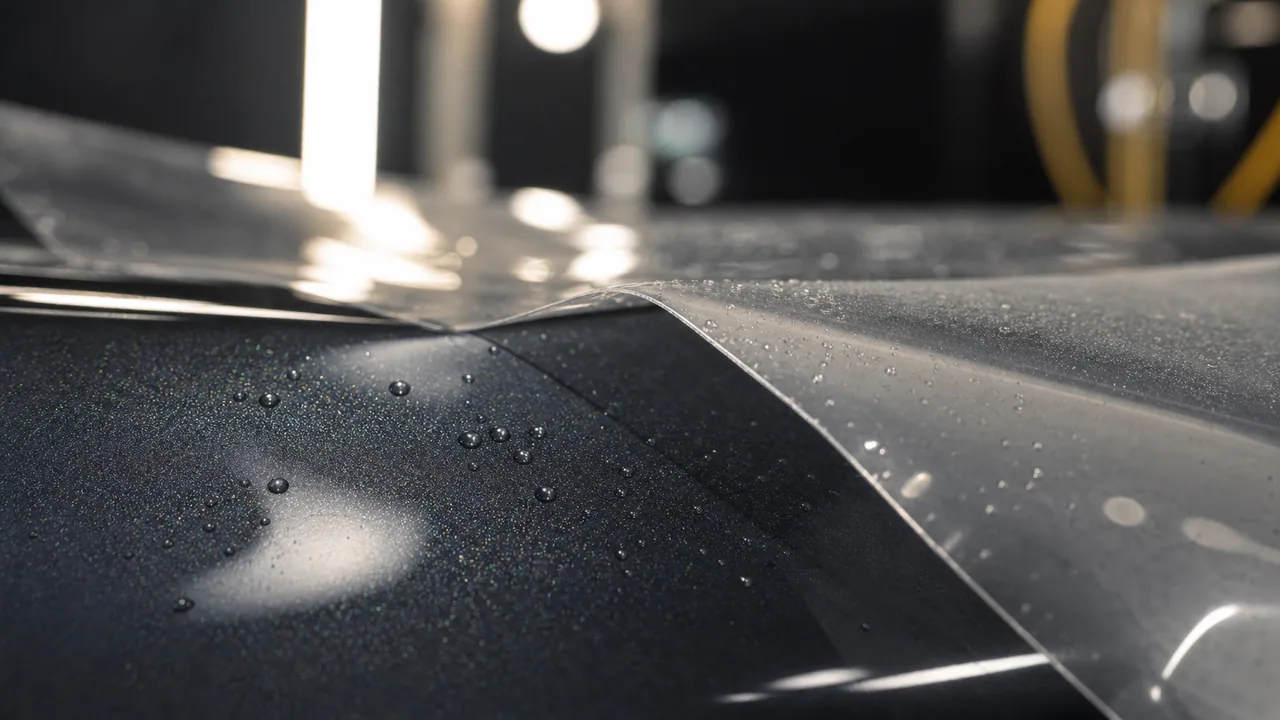
How Self-Healing PPF Differs from Ceramic Coatings
PPF and ceramic coatings serve fundamentally different functions in automotive surface protection. PPF provides a thick, physical elastomeric barrier (typically 180 to 225 microns) that absorbs stone chips, scratches, and road debris. Ceramic coatings, by contrast, form a thin liquid-applied quartz or polymer layer (often 1 to 2 microns) that improves slickness, hydrophobicity, and gloss, but cannot absorb physical impact.
If you are weighing the benefits of each, refer to our comprehensive PPF vs Ceramic Coating Guide to evaluate coverage zones, maintenance demands, and hybrid installation strategies.
When evaluating self-healing claims, always examine the specific film grade, base polymer composition, and installer transparency. If an installer claims that every scratch disappears completely, that is a clear signal to ask deeper technical questions.
BUYER CHECKLISTKey Questions to Ask Before Choosing Self-Healing PPF
Before committing to a paint protection film package, review these essential questions with your installation center:
- Which vehicle zones benefit most from this specific film? Different body panels encounter varied risk profiles, including the hood, front bumper, side mirrors, door cups, and panoramic glass roofs.
- What scratch depths does the self-healing warranty cover? Ensure the technician explains the threshold between micro-swirls and structural tears, avoiding vague guarantees.
- How long must the vehicle cure before its first wash? Curing intervals vary based on ambient humidity, adhesive chemistry, and edge-tuck complexity.
- What is the procedure if a mark does not recover? Inquire about follow-up appointments and photographic tracking before attempting home remedies.
- Which detailing products are compatible with the topcoat? Verify that chosen wash shampoos and sealants are free from harsh abrasives and petroleum solvents that could degrade the self-healing layer.
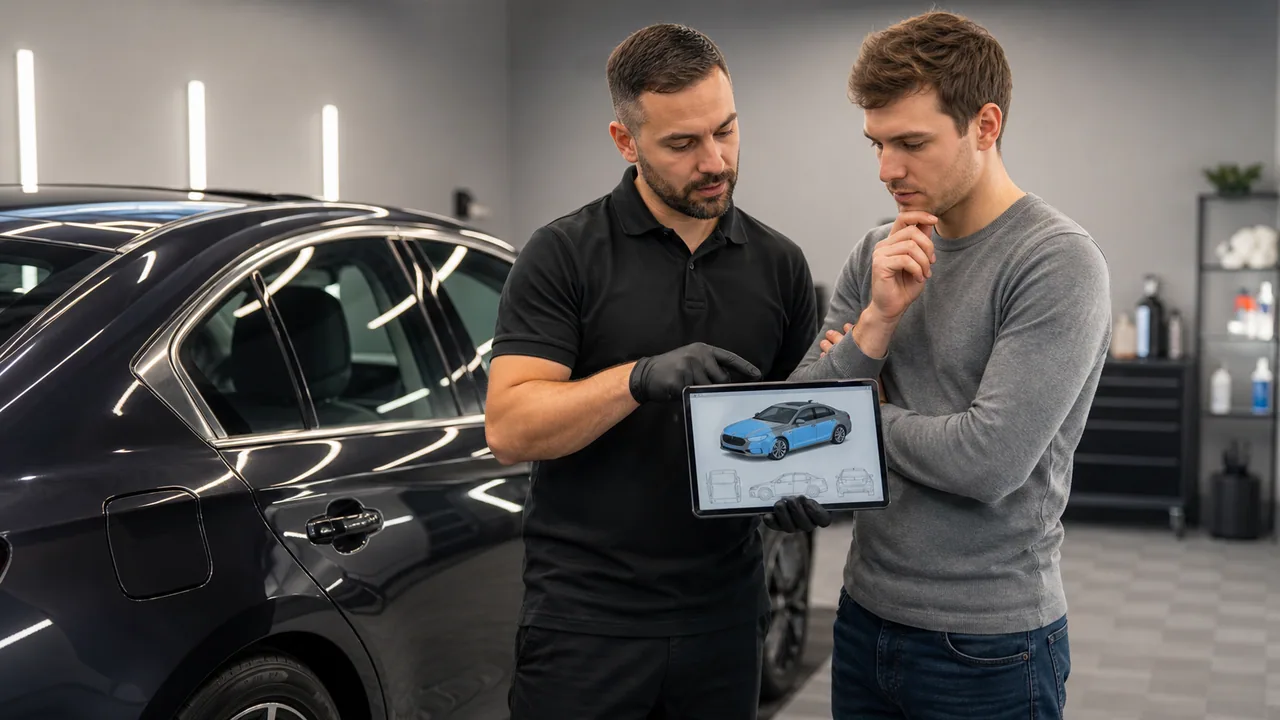
Why Installation Quality Determines Film Longevity
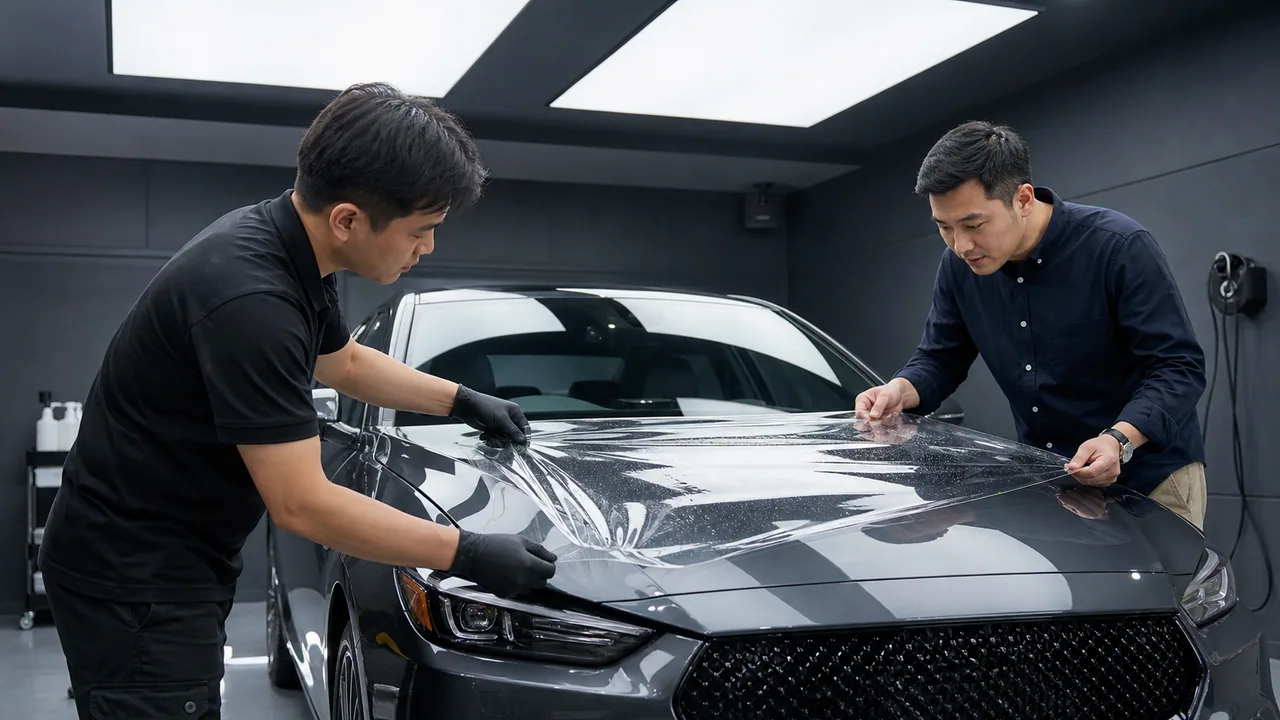
Even the most advanced self-healing TPU can underperform if installation standards are compromised. The final result depends on meticulous paint decontamination, precise template plotting, clean air filtration, skilled moisture extraction, and flawless edge wrapping. Contaminants trapped beneath the adhesive cannot be corrected by the film’s self-healing properties.
Professional PPF installation centers focus on three foundational principles:
Rigorous Surface Preparation
Paint must be chemically and mechanically decontaminated. Small dust particles become glaring optical flaws once sealed beneath clear film.
Precision Edge Wrapping
Edges face oncoming wind pressure, high-pressure wash jets, and road grime. Improperly tucked edges can lift long before the film wears out.
Post-Installation Checkups
A scheduled inspection check ensures micro-bubbles have evaporated and edges remain firmly adhered across complex compound curves.
Gentle Care: Protecting the Self-Healing Topcoat
Films with self-healing surfaces still require thoughtful washing protocols. The goal is to minimize friction, lift surface grit safely, and avoid aggressive cleaning agents:
- Pre-rinse thoroughly with low-pressure water to flush loose grit before touching the surface. Never dry-wipe a dusty panel.
- Use clean, high-GSM microfiber wash mitts and dedicated buckets. Separate towels used on lower rocker panels from those used on upper painted surfaces.
- Avoid aggressive rubbing near film seams and wrapped edges, where friction can compromise adhesive integrity.
- Soften stubborn organic deposits like tree sap and bird droppings with damp microfiber towels before gently lifting them away.
- If a scratch remains visible after washing and natural sun exposure, photograph it and consult your dealer instead of applying uncontrolled heat sources.
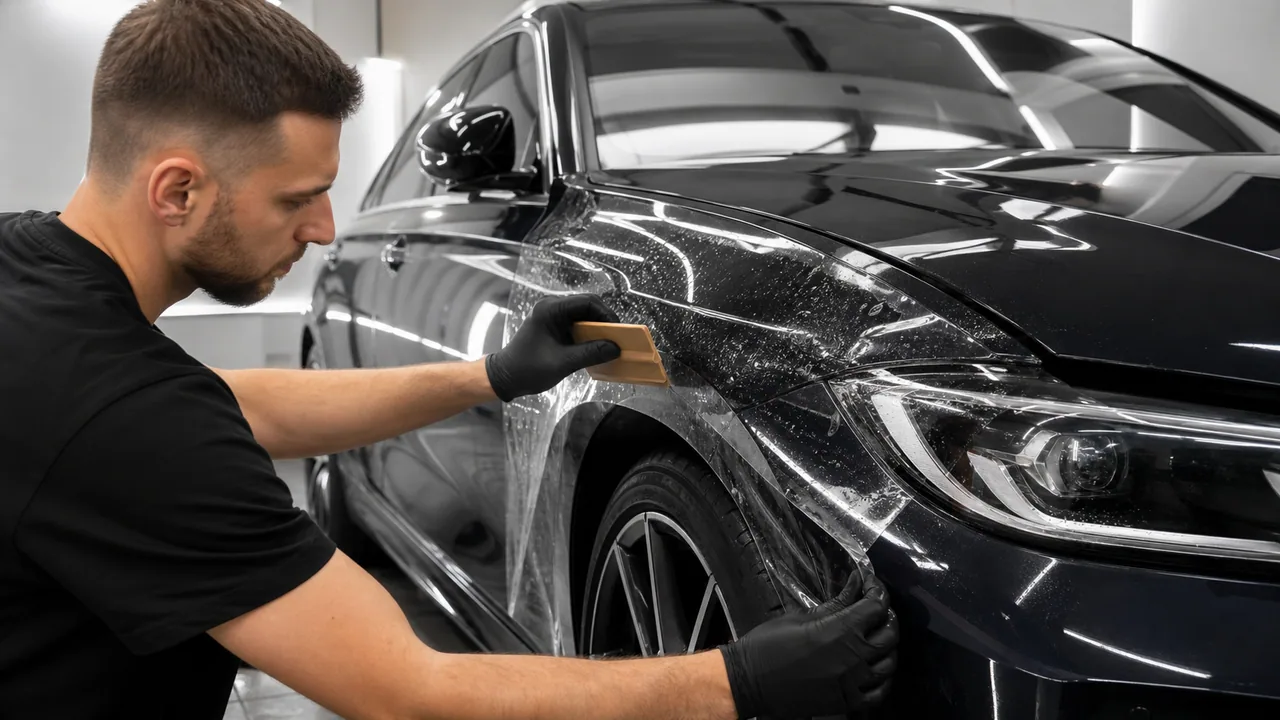
Choosing the Right PPF Coverage for Your Vehicle
If your vehicle is new, finished in dark paint, washed frequently, driven in dense urban traffic, or subjected to frequent highway commuting, self-healing PPF represents an effective long-term defense.
However, selection should not revolve around marketing buzzwords alone. Evaluate high-impact zones, realistic budgets, and willingness to maintain the surface. To explore options, review our Clear Guard PPF Overview or connect with an Authorized MAXXMA Dealer for a tailored paint assessment.
FREQUENTLY ASKED QUESTIONSFrequently Asked Questions About Self-Healing PPF
Does self-healing PPF repair every type of scratch?
No. Self-healing is engineered for superficial swirl marks and shallow wipe scuffs on the topcoat. Deep tears, heavy rock chip craters, or punctures that penetrate the urethane layer must be inspected by an installer.
Should I use a heat gun or hair dryer to fix scratches myself?
You should not apply concentrated artificial heat yourself. Excessive heat can scorch the topcoat, weaken the adhesive, or warp film edges. Allow natural sunlight or warm tap water to activate recovery, or consult your certified installer.
How soon should I expect swirl marks to disappear?
Under direct warm sunlight or warm water rinsing, shallow marks often diminish within minutes to hours. In cooler ambient temperatures, the relaxation process takes longer. If a mark persists under identical lighting, document it with photos.
Does a self-healing film eliminate the need for regular maintenance?
Not at all. Dragging dry dirt across the film, using harsh rotary buffers, or neglecting bonded industrial fallout can permanently degrade the topcoat despite self-healing properties.
Should I install PPF on specific high-impact areas or across the entire vehicle?
That depends on your driving environment, vehicle value, and budget. Highway drivers often choose full-front or partial packages covering hoods and bumpers, while owners seeking comprehensive peace of mind select full-body coverage.
Summary: Evaluating Self-Healing PPF Like a Professional
Self-healing technology is one of the most practical innovations in automotive paint preservation, keeping vehicles free from the micro-swirls that typically dull dark paint over time. However, it is not an indestructible shield. True longevity is born from an engineered TPU substrate, meticulous installation, proper wash habits, and knowing when to seek professional maintenance.
When consulting with an authorized installer, focus on clear criteria: ask about film composition, verify scratch depth recovery limits, confirm aftercare procedures, and establish a post-installation inspection schedule. This balanced approach ensures your vehicle receives lasting, showroom-grade protection.
Ready to protect your home or vehicle?
Consult with MAXXMA experts to select the perfect film for your needs, or find an authorized dealer near you.