
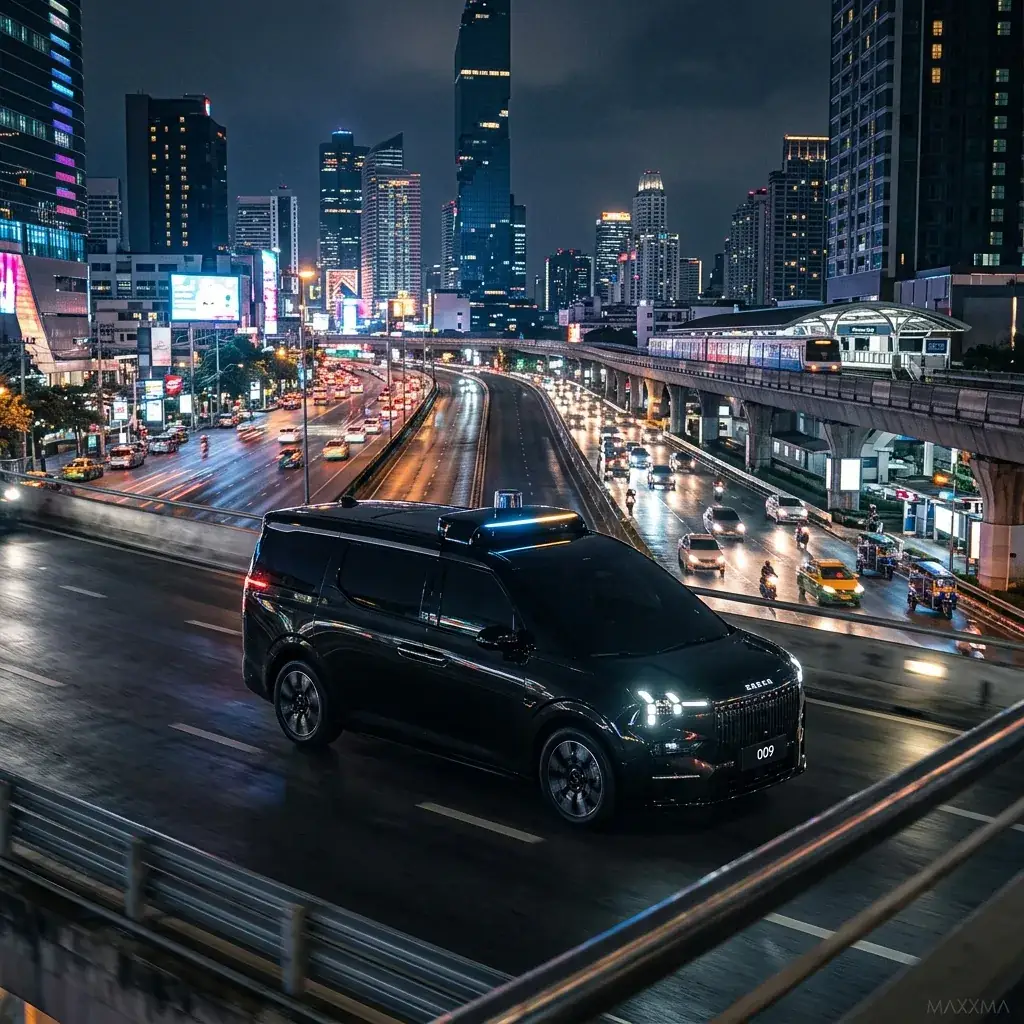
01 The Digital Era in Cars: Why Does Window Film Affect Signal Stability?
In the current era, modern cars, especially Electric Vehicles (EVs), rely heavily on digital signals for mobility. This includes GPS satellite navigation, automatic toll payment systems like Easy Pass or M-Flow, internet signals for OTA (Over-The-Air) updates, and Autopilot systems.
One of the problems many car owners face is signal interference, loss, or unusual delays, where the primary cause is often choosing the wrong type of automotive window film.
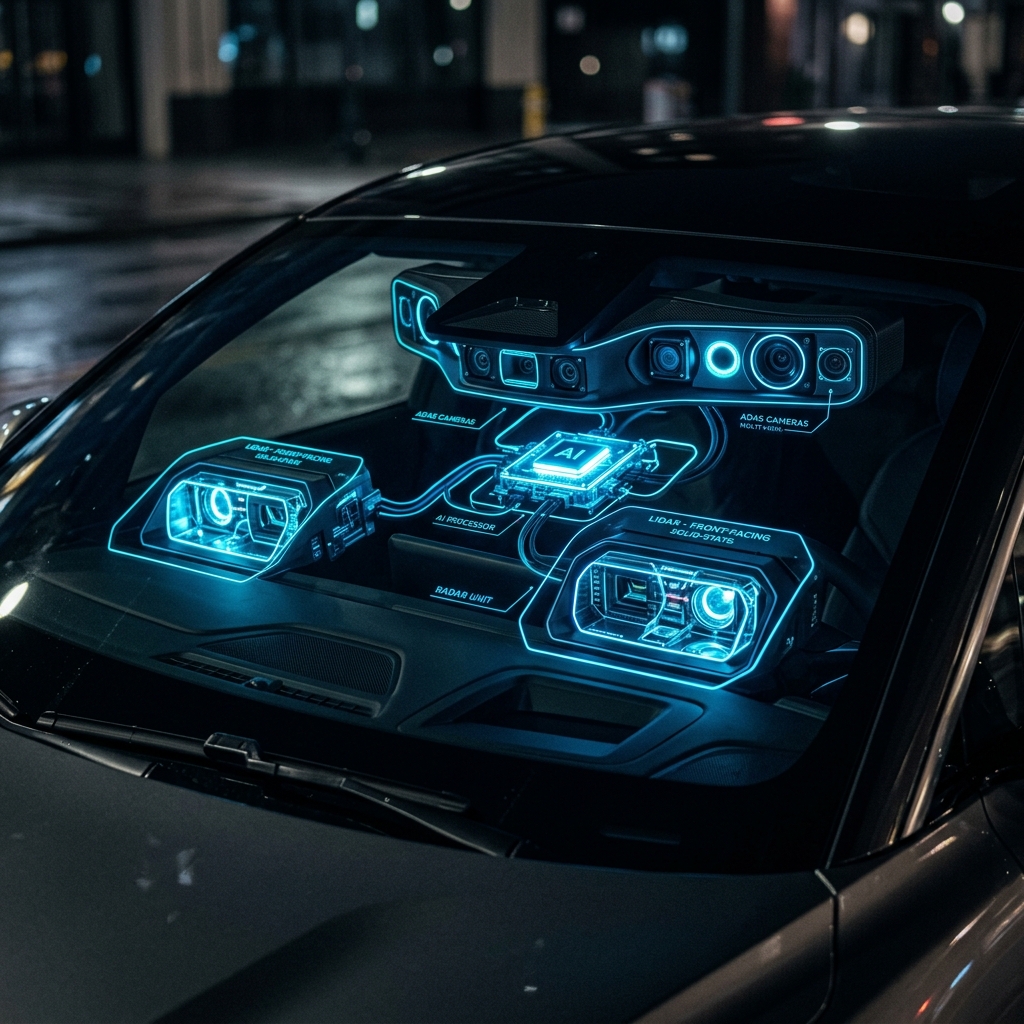
02 Metallized Film and the “Faraday Cage” Effect
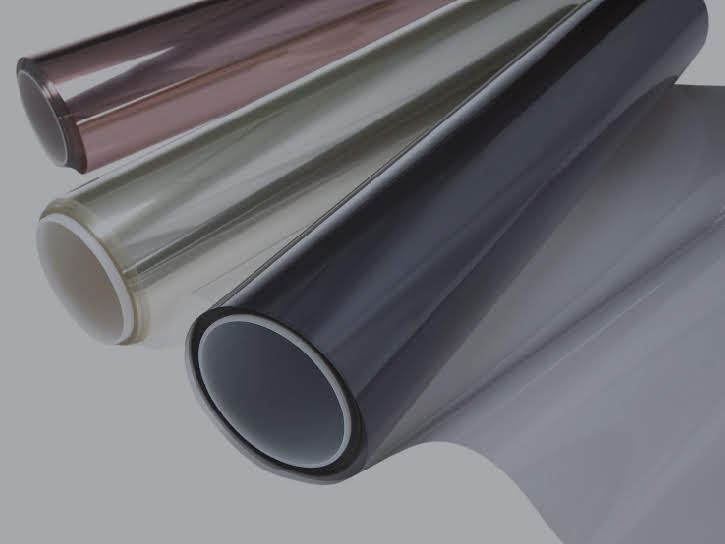
Metallized films use a metal vapor deposition process on the film surface to enhance heat radiation reflection. However, these metal layers act like a Faraday Cage, reflecting and absorbing high-frequency signals.
The metal layer in metallized film does not allow signals from satellites or receivers to easily enter or exit the cabin. This causes GPS to become erratic, signals to fade, and toll tags (Easy Pass / M-Flow) to often go undetected.
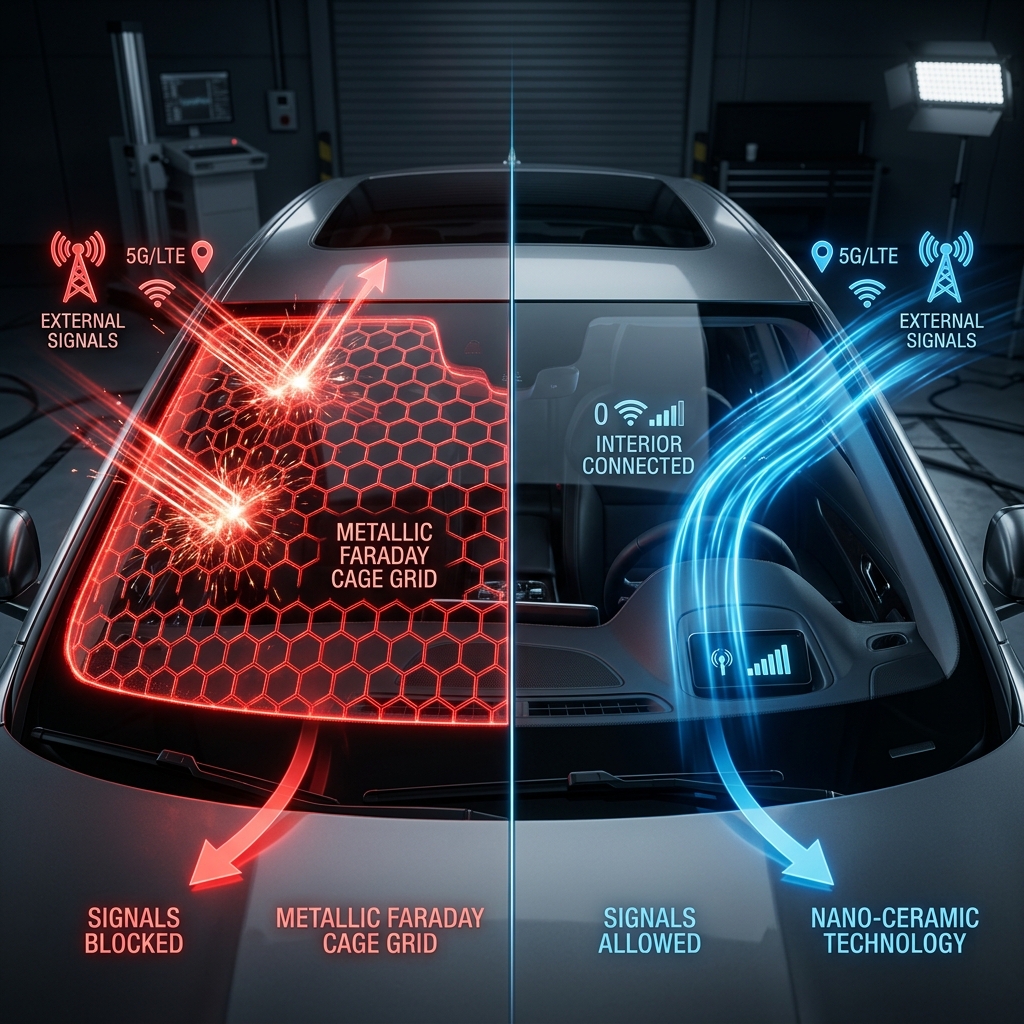
03 True Nano Ceramic Film: High Heat Rejection with 100% Signal Pass-Through
The most modern solution for current cars and EVs is choosing high-grade Nano Ceramic Film, such as the MAXXMA Ceramic Series.
🔬 Why is Ceramic “Signal Friendly”?
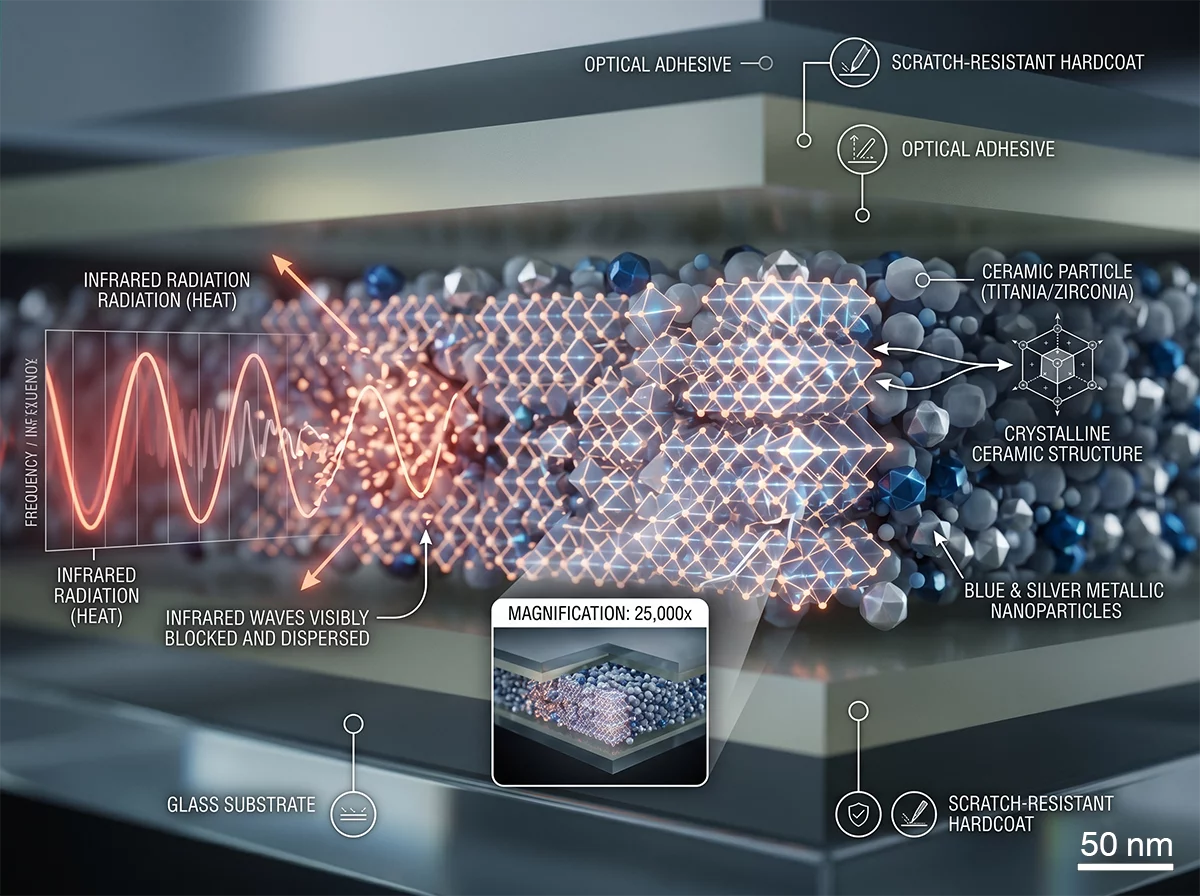
Nano ceramic compounds like Titanium Nitride or ATO (Antimony Tin Oxide) have a chemical structure that is non-conductive and non-reflective metal. Thus, they act as signal-transparent materials (Signal Friendly), allowing GPS, 5G, Bluetooth, and Easy Pass radio waves to connect perfectly without any loss of transmission power.
04 Performance Comparison: Ceramic vs Metallized
| Feature | Nano Ceramic Film | Metallized Film |
|---|---|---|
| Signal Interference | ✅ None at all, 100% pass-through (Accurate GPS, normal Easy Pass) | ❌ High (Erratic GPS, faded signals, toll tags undetected) |
| External Reflection | Very low (looks like natural glass) | Very high (shiny reflection obscuring the view) |
| Durability | Very high (does not react with air, non-fading) | Medium (metals may change color/stain when exposed to moisture) |
| External Look | Elegant, aggressive black, distinctive | Shiny, green-tinted silver reflection |
05 EVs and Modern Cars: Why Signals Matter Even More
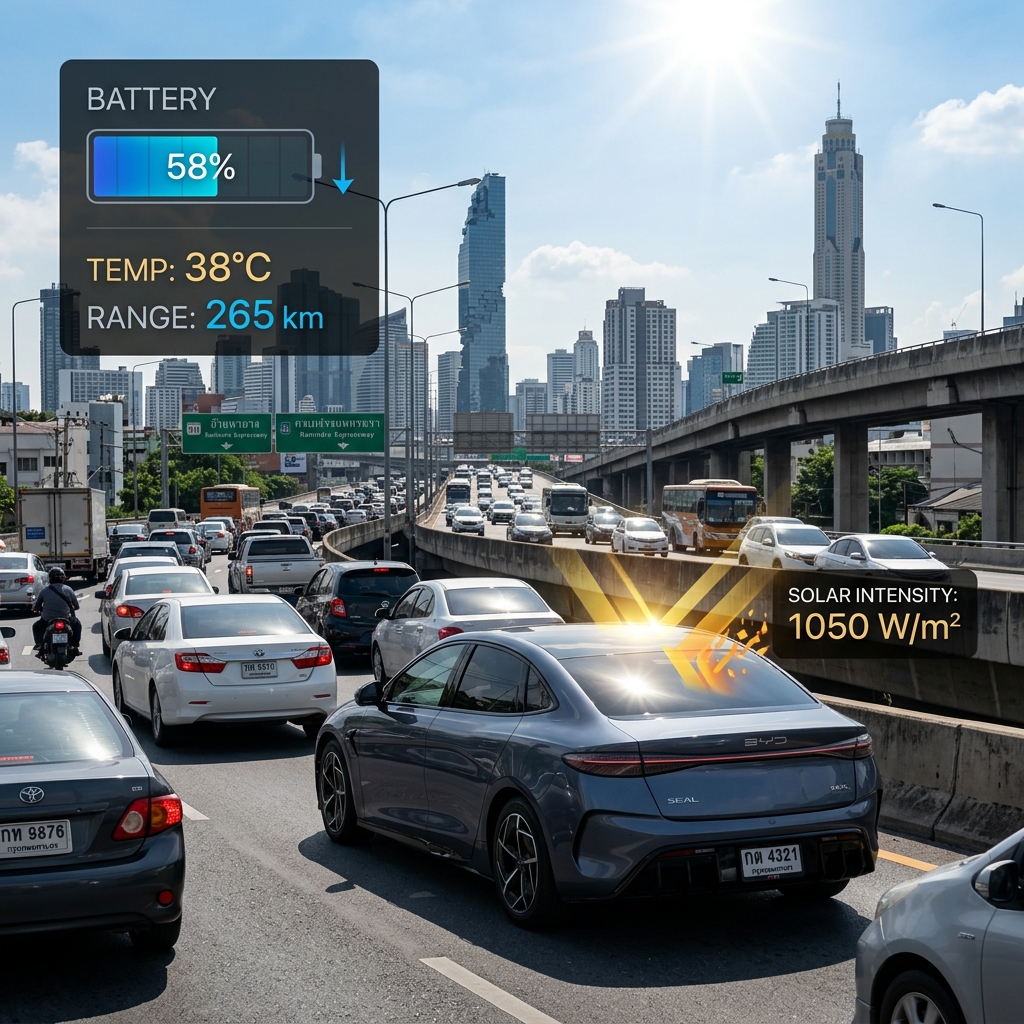
For EVs and cars with ADAS/Autopilot systems, a stable connection is not just about convenience; it is tied to safety system functionality and software updates. Therefore, choosing a film that does not interfere with signals is a critical decision from day one.
06 Conclusion: How to Choose a Film with Good Heat Rejection and No Signal Issues
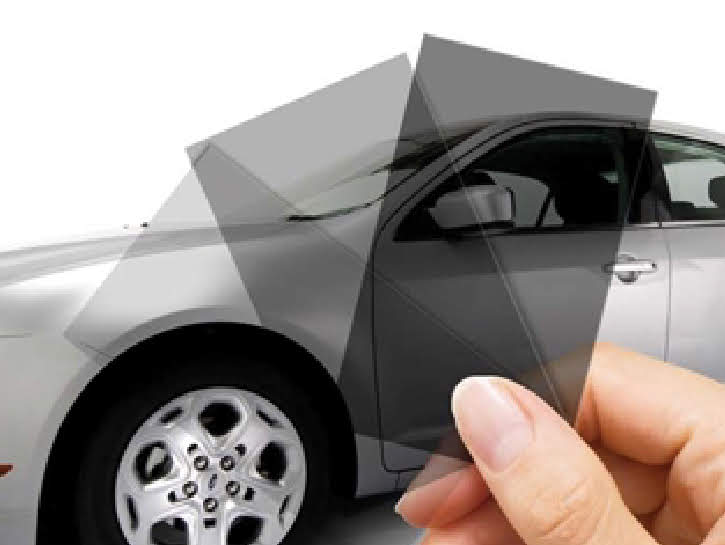
- 1Avoid metallized/metal films if your car uses GPS, Easy Pass/M-Flow, ADAS systems, or is an EV.
- 2Choose true nano ceramic films without metal layers to get high heat rejection without blocking signals.
- 3Check specs and warranties. Look at IR/TSER values and choose a brand that clearly states it is true ceramic mixed with no metals.
Looking for a true nano ceramic film that doesn’t interfere with signals? — See MAXXMA POLARIZED (Nano Ceramic) or compare all models on the MAXXMA Film Comparison Table
07 Frequently Asked Questions (FAQ)
If I install metallized film, will GPS and Easy Pass be completely unusable?
Not always completely unusable, but the metal layer will degrade the signal strength, causing GPS to be inaccurate/slow and making toll readers struggle to detect it, especially if installed on the entire windshield. Choosing nano ceramic film eliminates this problem entirely.
Does nano ceramic film reject heat as well as metallized film, given it has no metal?
Very well. Ceramic particles are designed specifically to absorb and block infrared heat radiation, providing high heat rejection without relying on a reflective metal layer. It also offers lower exterior reflection, looking much more natural.
Do EVs really need nano ceramic film?
Highly recommended, as EVs rely on signal connectivity for GPS, OTA, and driver assistance systems. Metal-free films like nano ceramic allow these systems to operate at full efficiency. — Read more at Choosing Window Film for EVs (Thai)
Consult an Expert for Free, No Obligations
Let the MAXXMA team help you choose a film that rejects heat well and does not interfere with signals for your car or EV — Find a Dealer Near You · Chat on LINE @maxxma · Or read Ceramic vs Crystalline Film: What’s the Difference? (Thai)
Ready to protect your home or vehicle?
Consult with MAXXMA experts to select the perfect film for your needs, or find an authorized dealer near you.